correcta
“correcta” means “correct” in Spanish. It has 2 different meanings depending on context:

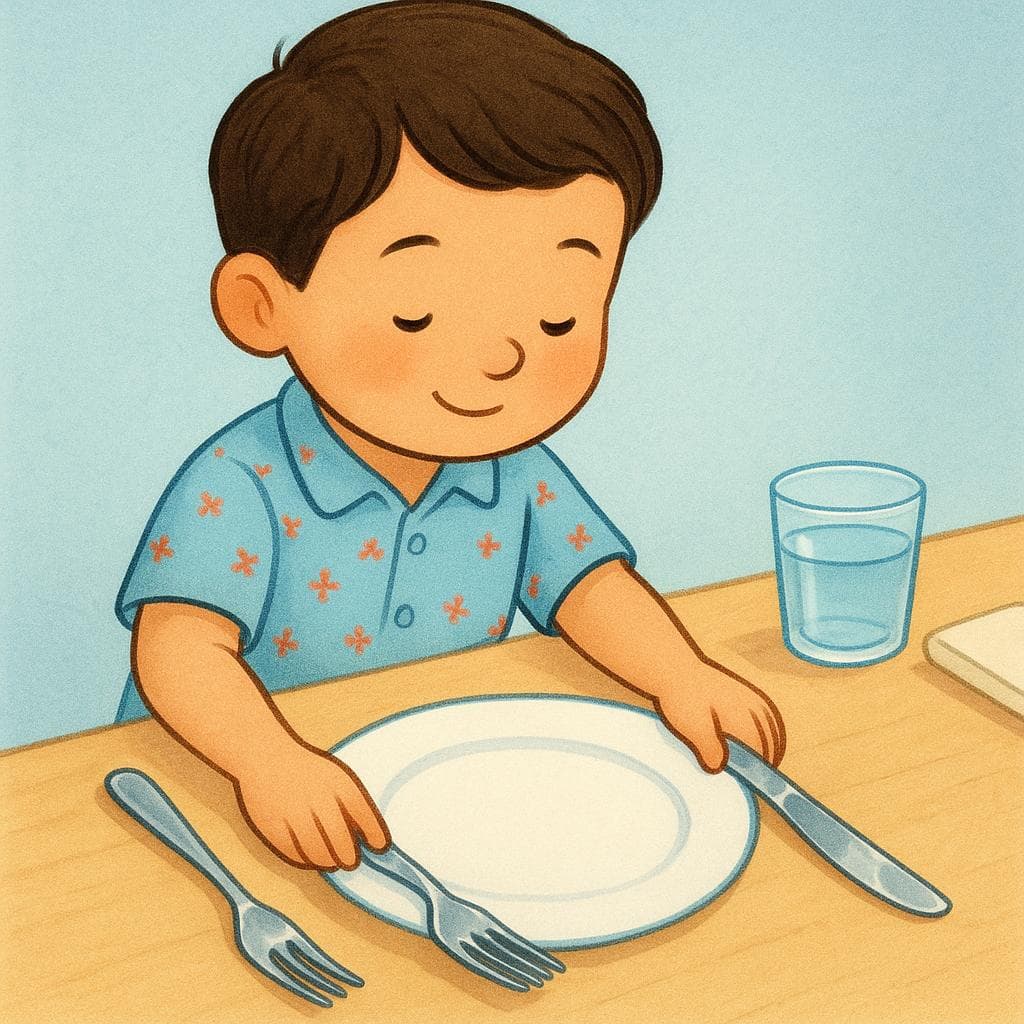
correct, right
Also: accurate
📝 In Action
La respuesta que diste en el examen es completamente correcta.
A1The answer you gave on the exam is completely correct.
Necesito saber si esta dirección es la correcta antes de enviar la carta.
A2I need to know if this address is the right one before sending the letter.
No es la hora correcta. Llegamos media hora tarde.
A2It's not the correct time. We arrived half an hour late.
proper, polite
Also: decent
📝 In Action
Su conducta en la reunión fue muy correcta y profesional.
B1Her conduct in the meeting was very proper and professional.
Aunque no le gustaba la comida, mantuvo una actitud correcta.
B2Even though she didn't like the food, she maintained a polite attitude.
Ella insiste en que la etiqueta sea siempre correcta en la mesa.
C1She insists that table manners always be proper.
Translate to Spanish
Words that translate to "correcta" in Spanish:
decent→✏️ Quick Practice
Quick Quiz: correcta
Question 1 of 2
Which sentence uses 'correcta' to describe proper behavior?
📚 More Resources
👥 Word Family▼
📚 Etymology▼
Comes from the Latin word *correctus*, which is the past form of the verb *corrigere*, meaning 'to set right' or 'to straighten out.'
First recorded: 13th century
Cognates (Related words)
💡 Master Spanish
Take your Spanish to the next level. Read 200+ illustrated and narrated Spanish stories tailored to your level with the Inklingo app!
Frequently Asked Questions
What is the difference between 'correcta' and 'bien'?
'Correcta' is an adjective, meaning it describes a feminine noun (e.g., 'la respuesta correcta'). 'Bien' is an adverb, meaning it describes how an action is performed (e.g., 'Lo hiciste bien' - You did it well) or can mean 'okay'/'good' when answering a question.
Why does 'correcta' have two slightly different meanings?
Both meanings stem from the idea of being 'straight' or 'right.' First, it means factually right (no errors). Second, it means socially right (following the rules of good behavior or manners).