corrupción
“corrupción” means “corruption” in Spanish. It has 2 different meanings depending on context:

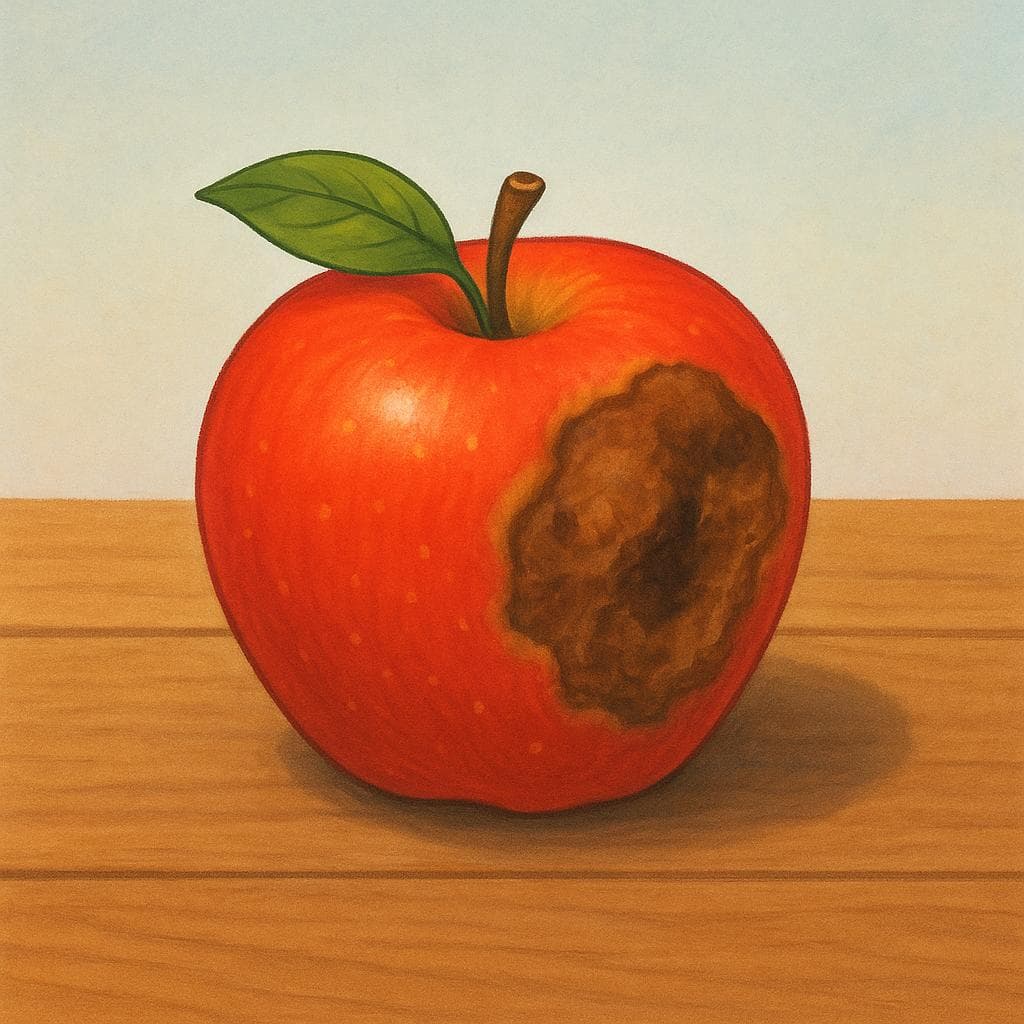
corruptionAlso: bribery, dishonesty

📝 In Action
El presidente prometió acabar con la corrupción en el sistema.
B2The president promised to end corruption in the system.
La corrupción es un problema que afecta la confianza pública.
C1Corruption is a problem that affects public trust.
Hubo acusaciones de corrupción en la construcción del nuevo puente.
B2There were accusations of bribery in the construction of the new bridge.
Word Connections
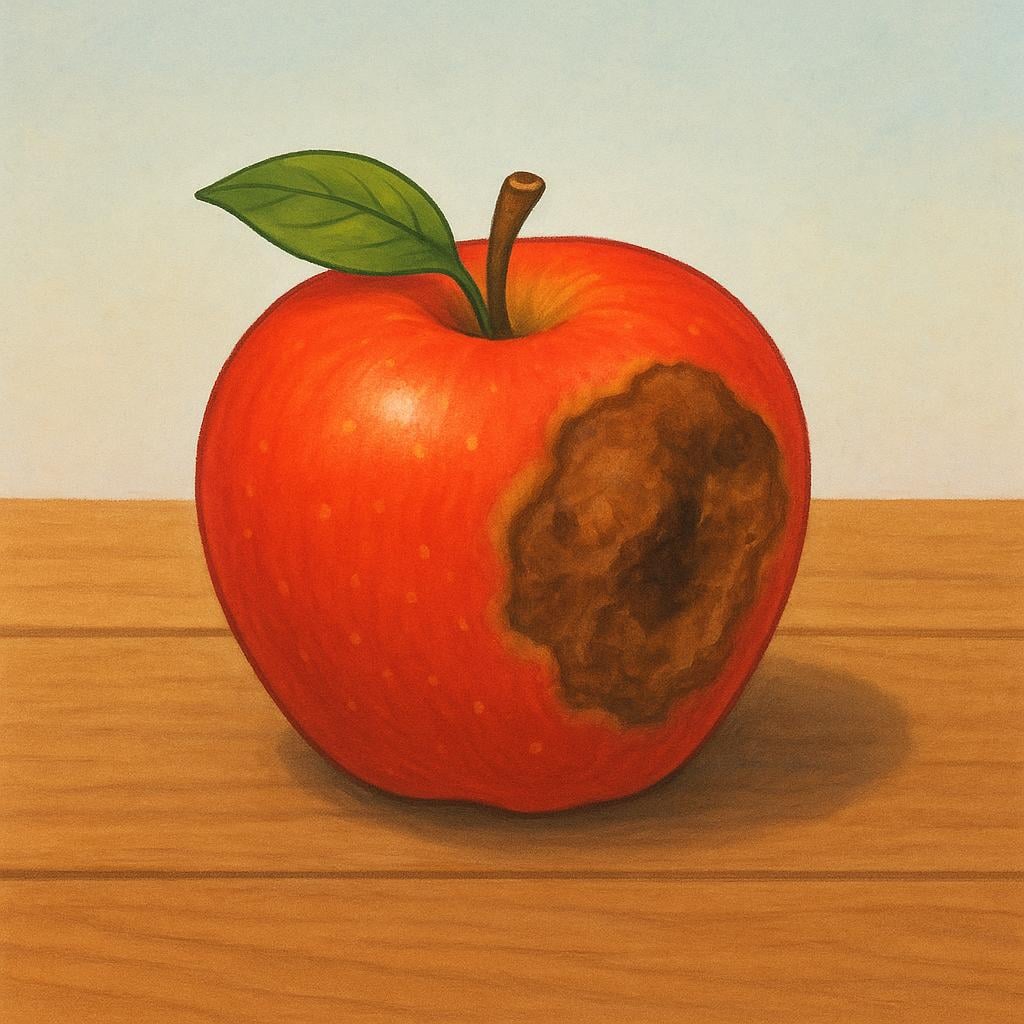
decayAlso: spoilage, putrefaction
📝 In Action
La corrupción de la fruta se aceleró por el calor.
C1The spoilage of the fruit accelerated due to the heat.
Tuvieron que reemplazar la viga debido a la corrupción de la madera por la humedad.
C2They had to replace the beam due to the decay of the wood from moisture.
Word Connections
Translate to Spanish
Words that translate to "corrupción" in Spanish:
✏️ Quick Practice
Quick Quiz: corrupción
Question 1 of 1
Which sentence uses 'corrupción' in its less common, physical sense?
📚 More Resources
👥 Word Family
🎵 Rhymes
📚 Etymology
Comes directly from the Latin word *corruptio*, which means 'a breaking apart' or 'destruction.' It originally referred to physical decay before its meaning extended to moral and governmental decay.
First recorded: 13th century
Cognates (Related words)
💡 Master Spanish
Take your Spanish to the next level. Read 200+ illustrated and narrated Spanish stories tailored to your level with the Inklingo app!
Frequently Asked Questions
Does 'corrupción' only refer to political bribery?
No. While its main use today is for political or institutional dishonesty (like bribery or misuse of funds), it can also be used formally to mean physical decay, such as when wood or food spoils.
How do I know the related verb 'corromper' is used correctly?
'Corromper' (to corrupt/to spoil) is often used reflexively as 'corromperse' to mean something or someone is becoming spoiled or morally damaged. Example: 'La fruta se corrompió' (The fruit spoiled).