cortó
“cortó” means “cut (he/she/it did)” in Spanish. It has 2 different meanings depending on context:

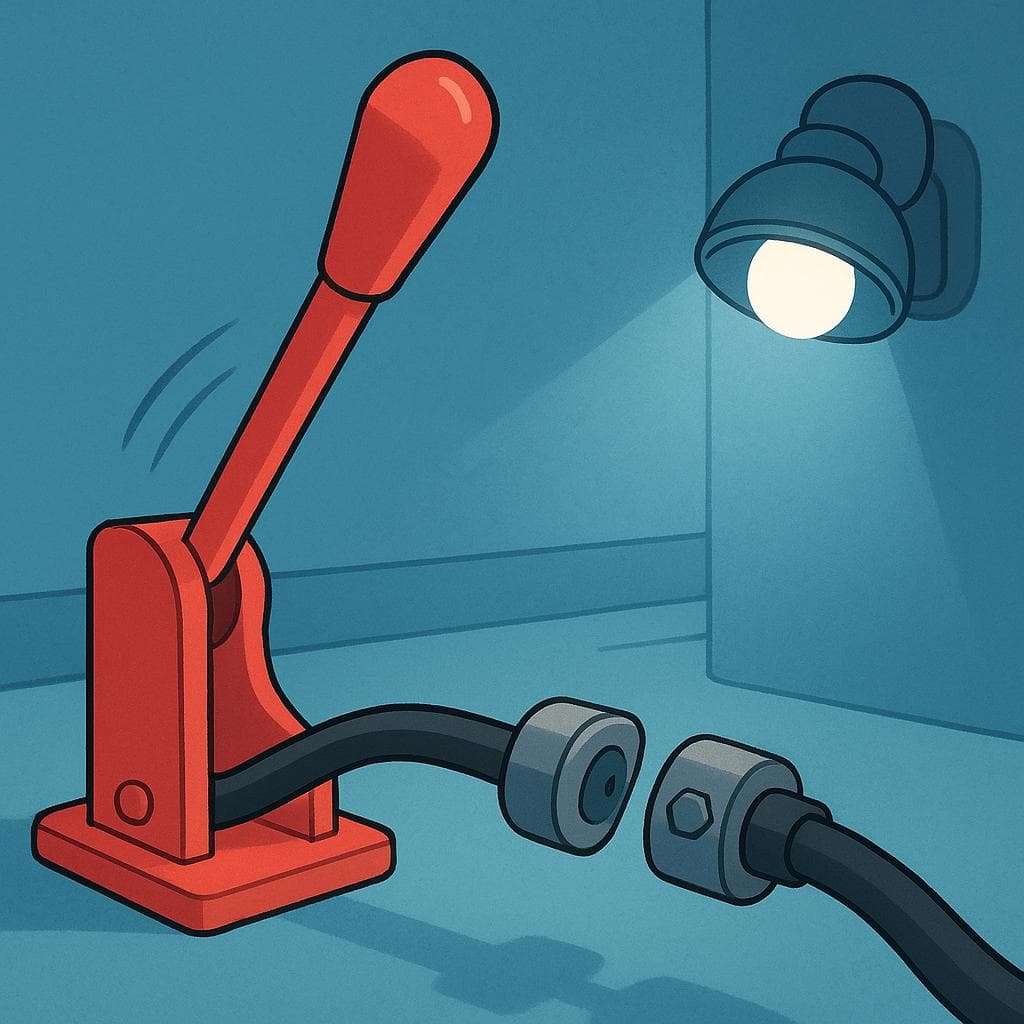

📝 In Action
Mi hermano cortó el césped ayer.
A1My brother cut the grass yesterday.
El chef cortó la cebolla muy rápido.
A2The chef sliced the onion very quickly.
Ella cortó la tela con unas tijeras grandes.
B1She cut the fabric with large scissors.
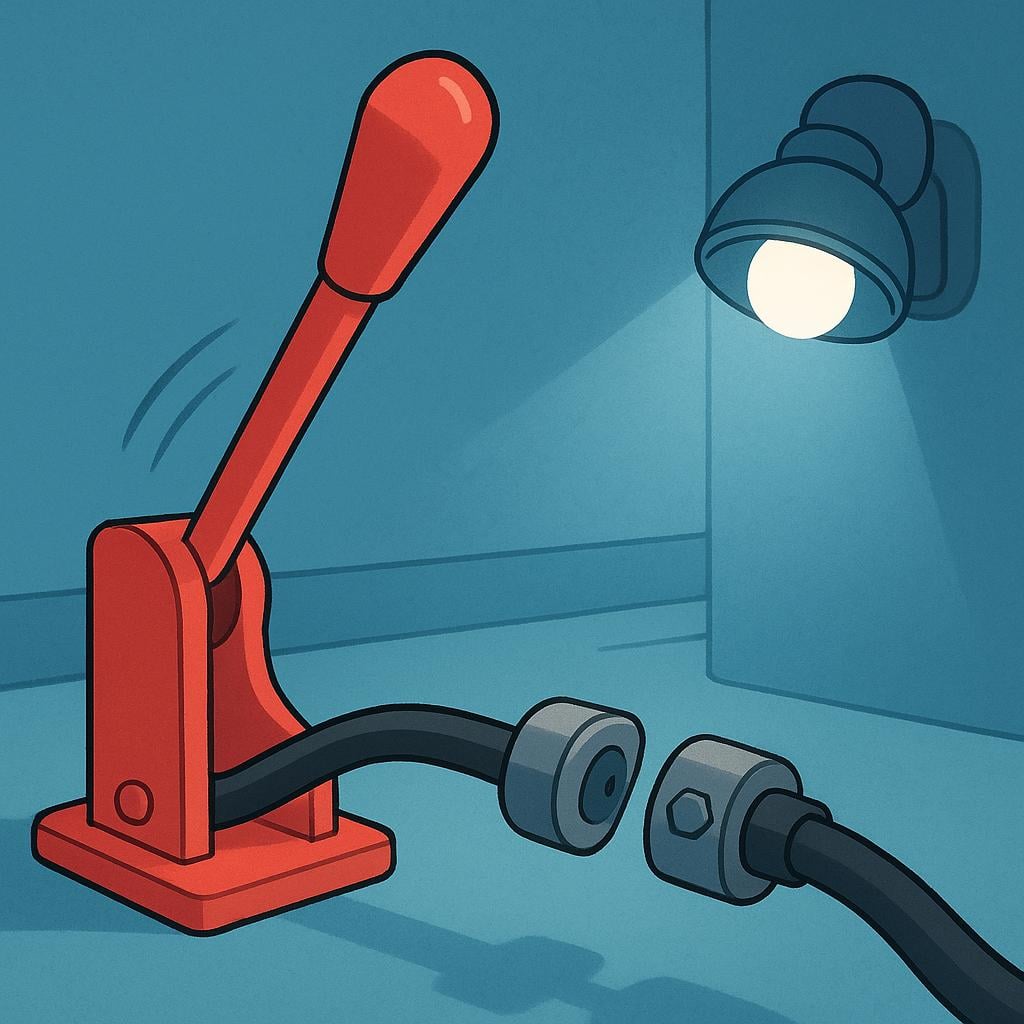
📝 In Action
La compañía eléctrica cortó el servicio por falta de pago.
B1The electric company cut off the service due to lack of payment.
El presentador cortó la entrevista abruptamente.
B2The host interrupted the interview abruptly.
Después de tres años, él cortó con su novia.
B1After three years, he broke up with his girlfriend.
🔄 Conjugations
indicative
present
imperfect
preterite
subjunctive
present
imperfect
✏️ Quick Practice
Quick Quiz: cortó
Question 1 of 1
Which sentence uses 'cortó' to mean 'interrupted'?
📚 More Resources
👥 Word Family▼
📚 Etymology▼
Comes from the vulgar Latin word *curtare*, meaning 'to shorten' or 'to cut short,' which itself derived from the Latin adjective *curtus* (short, truncated).
First recorded: 13th century
Cognates (Related words)
💡 Master Spanish
Take your Spanish to the next level. Read 200+ illustrated and narrated Spanish stories tailored to your level with the Inklingo app!
Frequently Asked Questions
Why is 'cortó' used instead of 'cortaste'?
'Cortó' is the past action performed by a single person who is NOT you (he, she, or formal you—usted). 'Cortaste' is the past action performed by 'tú' (informal you). They refer to different people.
Can 'cortó' be used if milk curdles?
Yes. When discussing liquids like milk or mayonnaise separating or curdling, Spanish often uses the verb 'cortar' in the third person. For example: 'La leche se cortó' (The milk curdled).