cuelga
“cuelga” means “hangs” in Spanish. It has 2 different meanings depending on context:

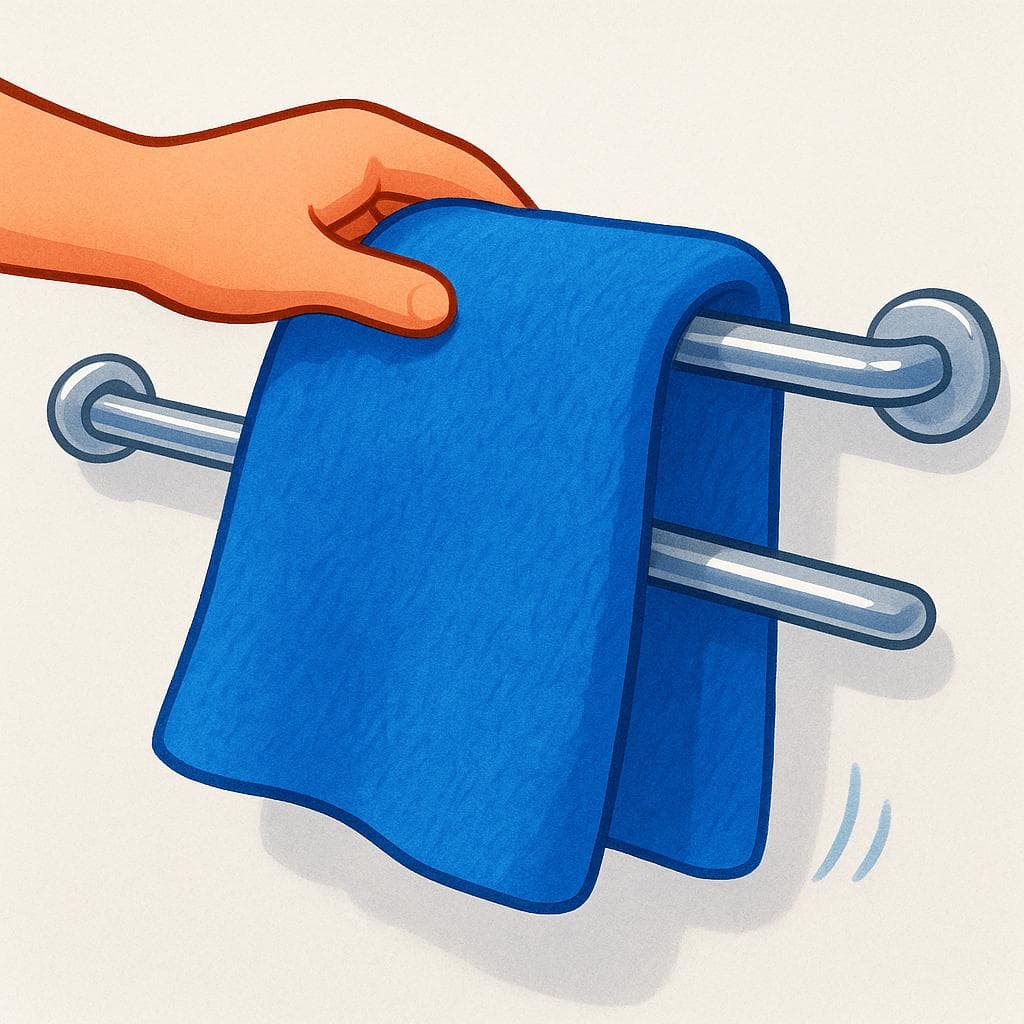
hangs, hangs upAlso: is hanging

📝 In Action
Mi madre siempre cuelga la ropa en el patio.
A2My mother always hangs the clothes in the patio.
Cuando él se enoja, cuelga sin decir adiós.
B1When he gets angry, he hangs up without saying goodbye.
¿Quién cuelga el cartel? Yo no lo hice.
A2Who is hanging the poster? I didn't do it.
Word Connections
📝 In Action
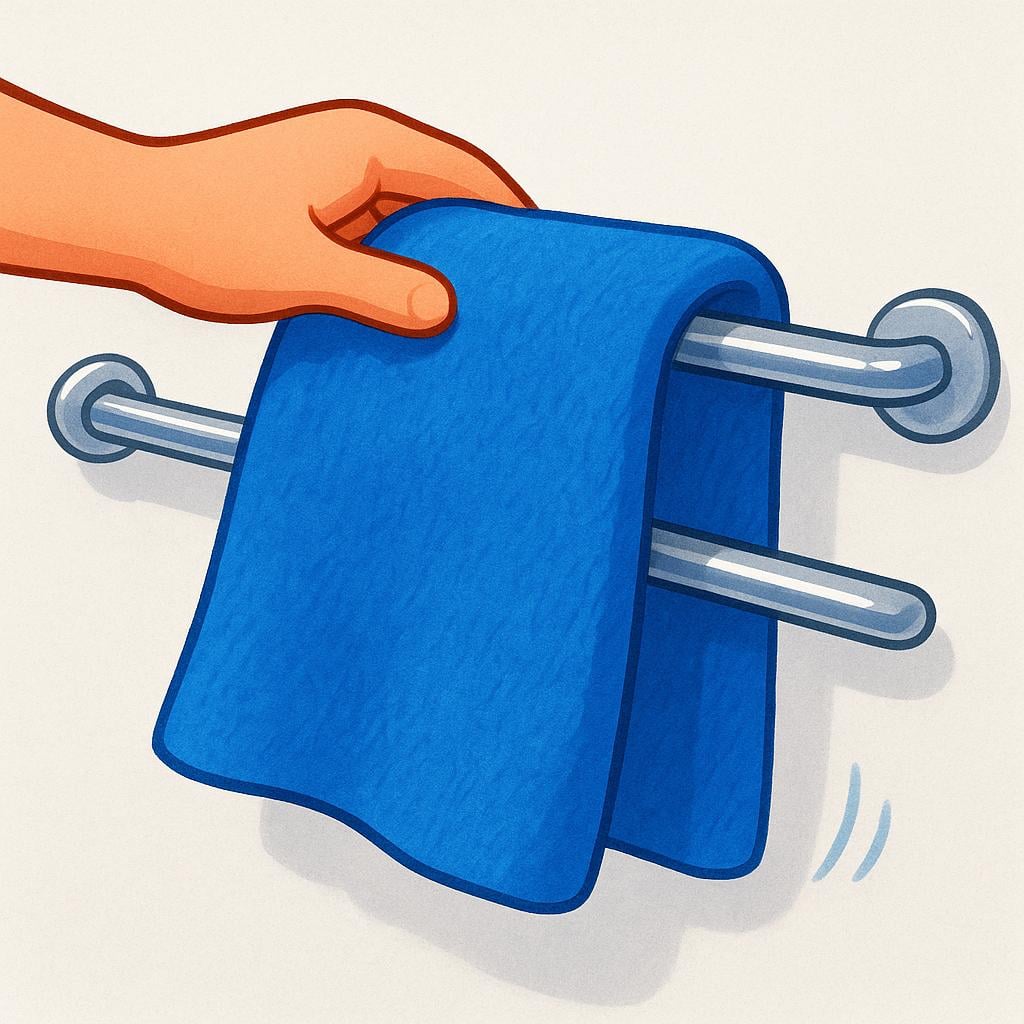
¡Cuelga la chaqueta en el perchero ahora mismo!
B1Hang the jacket on the coat rack right now!
Te llamo después. ¡Cuelga!
B1I'll call you later. Hang up!
Subjunctive
Imperfect Subjunctive
Present Subjunctive
Indicative
Preterite
Imperfect
Present
Translate to Spanish
Words that translate to "cuelga" in Spanish:
✏️ Quick Practice
Quick Quiz: cuelga
Question 1 of 2
Which of these sentences correctly uses 'cuelga' as a command?
📚 More Resources
👥 Word Family
🎵 Rhymes
📚 Etymology
The verb 'colgar' comes from Vulgar Latin *collocāre*, meaning 'to place together' or 'to arrange.' Over time, its meaning shifted specifically to 'placing something high up' or 'suspending it.'
First recorded: Medieval Spanish
Cognates (Related words)
💡 Master Spanish
Take your Spanish to the next level. Read 200+ illustrated and narrated Spanish stories tailored to your level with the Inklingo app!
Frequently Asked Questions
How do I know if 'cuelga' means 'He/She hangs' or 'Hang up!'?
You need context! If the sentence has a subject (like 'Él cuelga...'), it's a statement. If it stands alone or starts a sentence with an exclamation mark (like '¡Cuelga la toalla!'), it is usually a command.
Why does the 'nosotros' form of 'colgar' not use 'ue'?
In Spanish stem-changing verbs like 'colgar,' the vowel change (o to ue) only happens when the stress falls on the root vowel. In the 'we' (nosotros) form, the stress is on the ending (-gámos), so the 'o' stays the same: 'colgamos'.