déjame
“déjame” means “let me” in Spanish. It has 3 different meanings depending on context:

let meAlso: allow me

📝 In Action
Déjame ayudarte con las bolsas.
A1Let me help you with the bags.
Por favor, déjame explicarte lo que pasó.
A2Please, let me explain what happened.
Déjame ir al cine con mis amigos.
A1Let me go to the movies with my friends.
Word Connections
leave meAlso: give me
📝 In Action
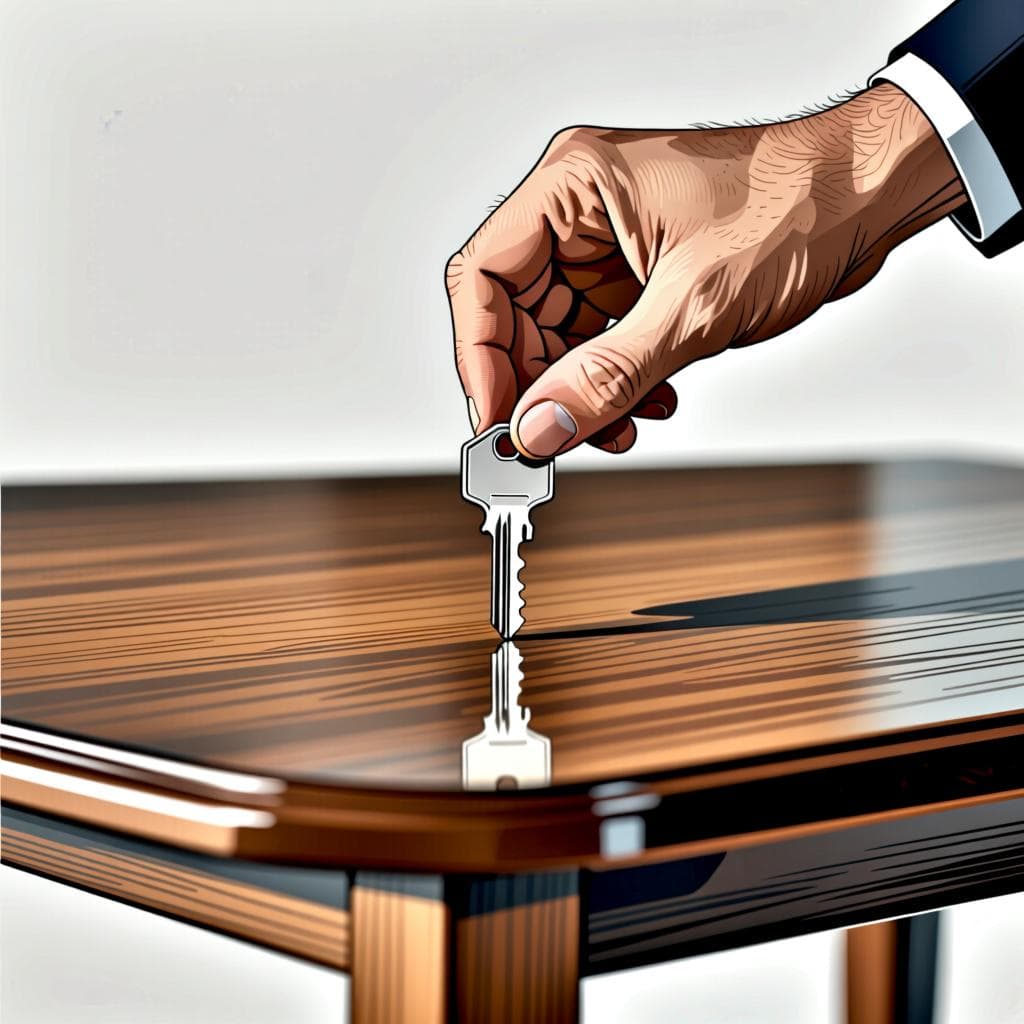
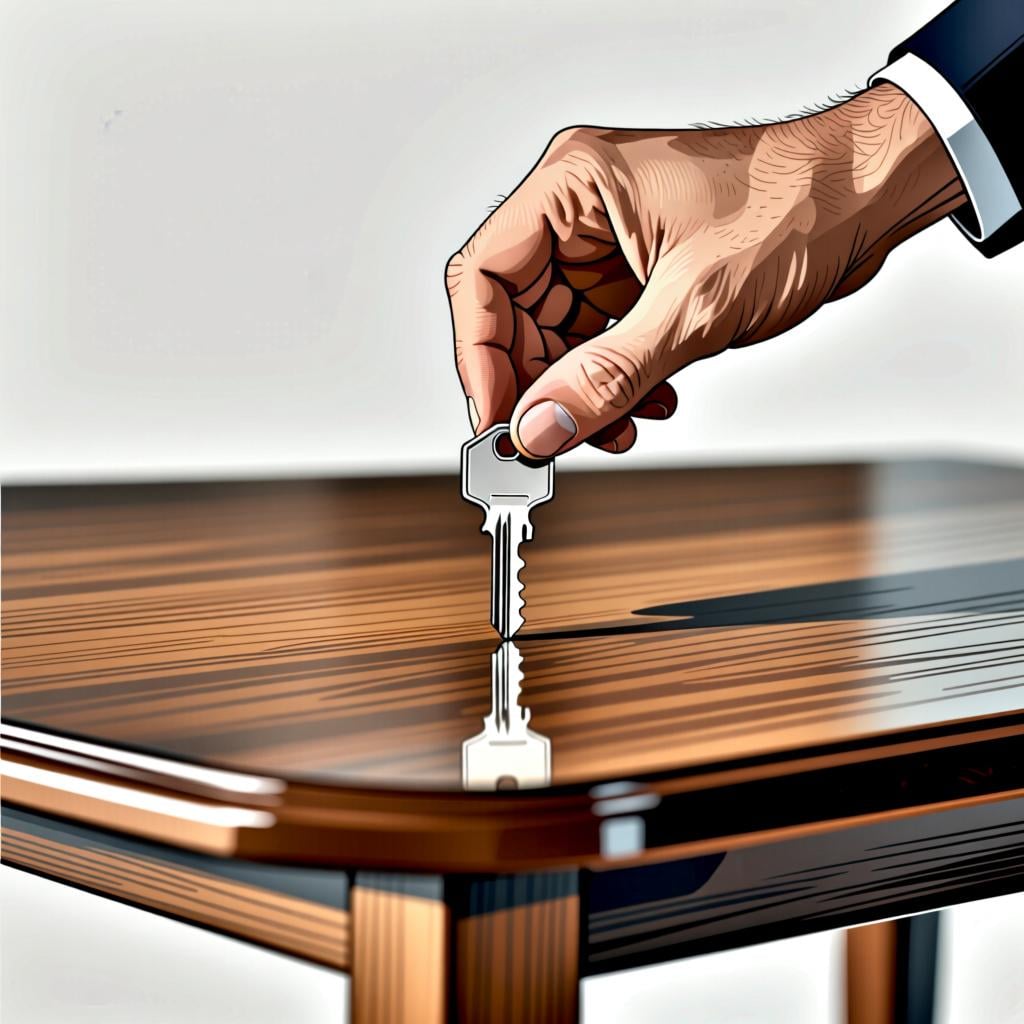
Si sales, déjame las llaves en la mesa.
A2If you go out, leave me the keys on the table.
Déjame un trozo de pastel, por favor.
A2Leave me a piece of cake, please.
Llámame más tarde y déjame un mensaje si no contesto.
B1Call me later and leave me a message if I don't answer.
Word Connections
let me seeAlso: let me think, hmmm
📝 In Action
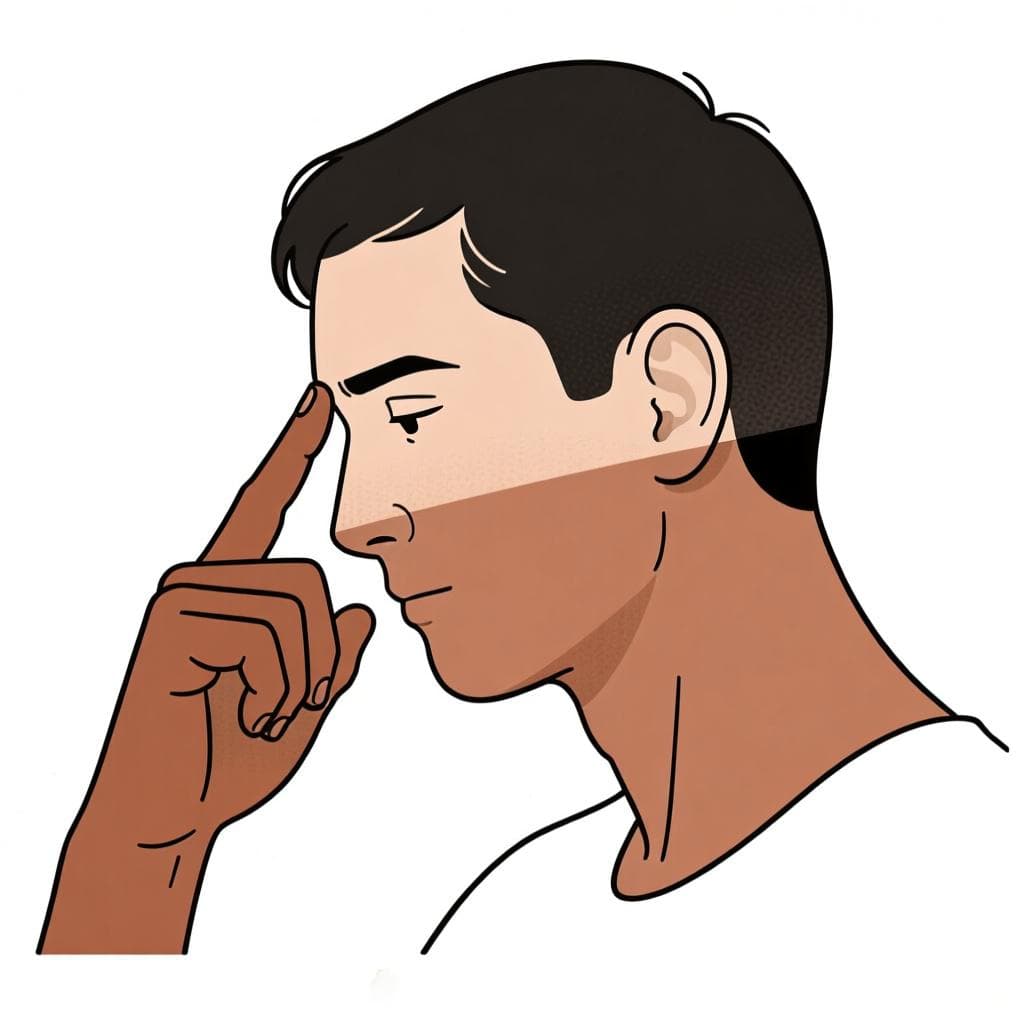
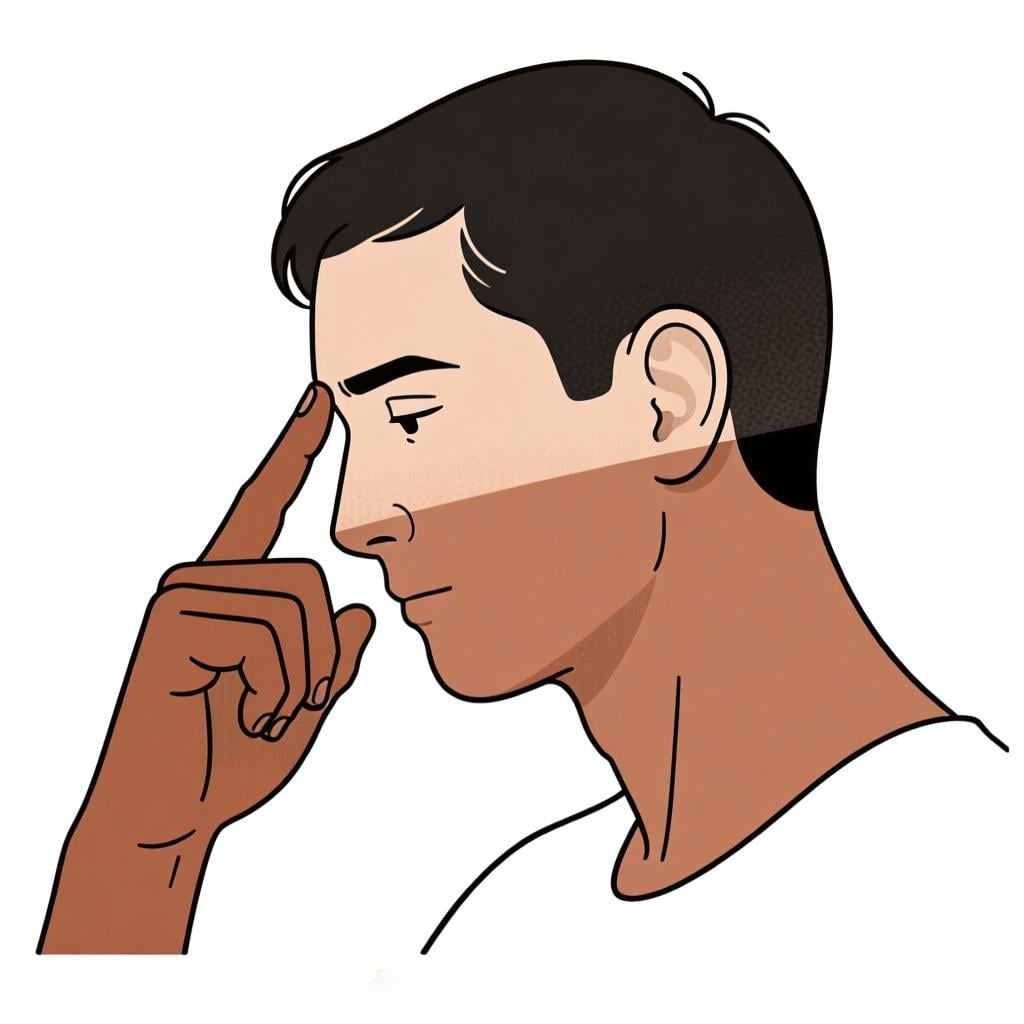
Déjame ver... creo que la reunión es a las tres.
A2Let me see... I think the meeting is at three.
—¿Cuál es la capital de Australia? —Uhm, déjame pensar.
A2—What's the capital of Australia? —Uhm, let me think.
Word Connections
Indicative
Present
Imperfect
Preterite
Subjunctive
Present Subjunctive
Imperfect Subjunctive
✏️ Quick Practice
Quick Quiz: déjame
Question 1 of 1
Which sentence correctly asks someone to 'Let me see that photo'?
📚 More Resources
👥 Word Family
🎵 Rhymes
📚 Etymology
Comes from combining two words: 'deja', the command form of the verb 'dejar', and 'me', meaning 'me'. 'Dejar' itself comes from the Latin word 'laxāre', which means 'to loosen' or 'to release'. So 'déjame' literally means 'release me' or 'loosen me'.
First recorded: The verb 'dejar' has been used since the early days of Spanish.
Cognates (Related words)
💡 Master Spanish
Take your Spanish to the next level. Read 200+ illustrated and narrated Spanish stories tailored to your level with the Inklingo app!
Frequently Asked Questions
What's the difference between 'déjame' and 'déjeme'?
'Déjame' is the informal 'you' (tú) command, used with friends, family, or people your age. 'Déjeme' is the formal 'you' (usted) command, used to show respect to older people, bosses, or strangers. Both mean 'let me' or 'leave me', but the level of formality is different.
Why is there an accent mark on 'déjame' but not on 'deja'?
The original command 'deja' has the stress on the first syllable: DE-ja. When you attach 'me', it becomes a longer word: de-ja-me. To keep the stress in the same place and follow Spanish pronunciation rules, an accent mark is added to the 'é'. This happens with many commands when you attach pronouns.
Can I say 'me deja' instead of 'déjame'?
Yes, but it means something different. 'Déjame' is a direct command ('Let me!'). '¿Me deja...?' is a more polite way to ask for permission ('Do you let me...?' or 'May I...?'). For example, to a stranger blocking your way, you'd ask, '¿Me deja pasar?' (May I pass?), not shout '¡Déjame pasar!' (Let me pass!).