danés
“danés” means “Danish” in Spanish. It has 3 different meanings depending on context:
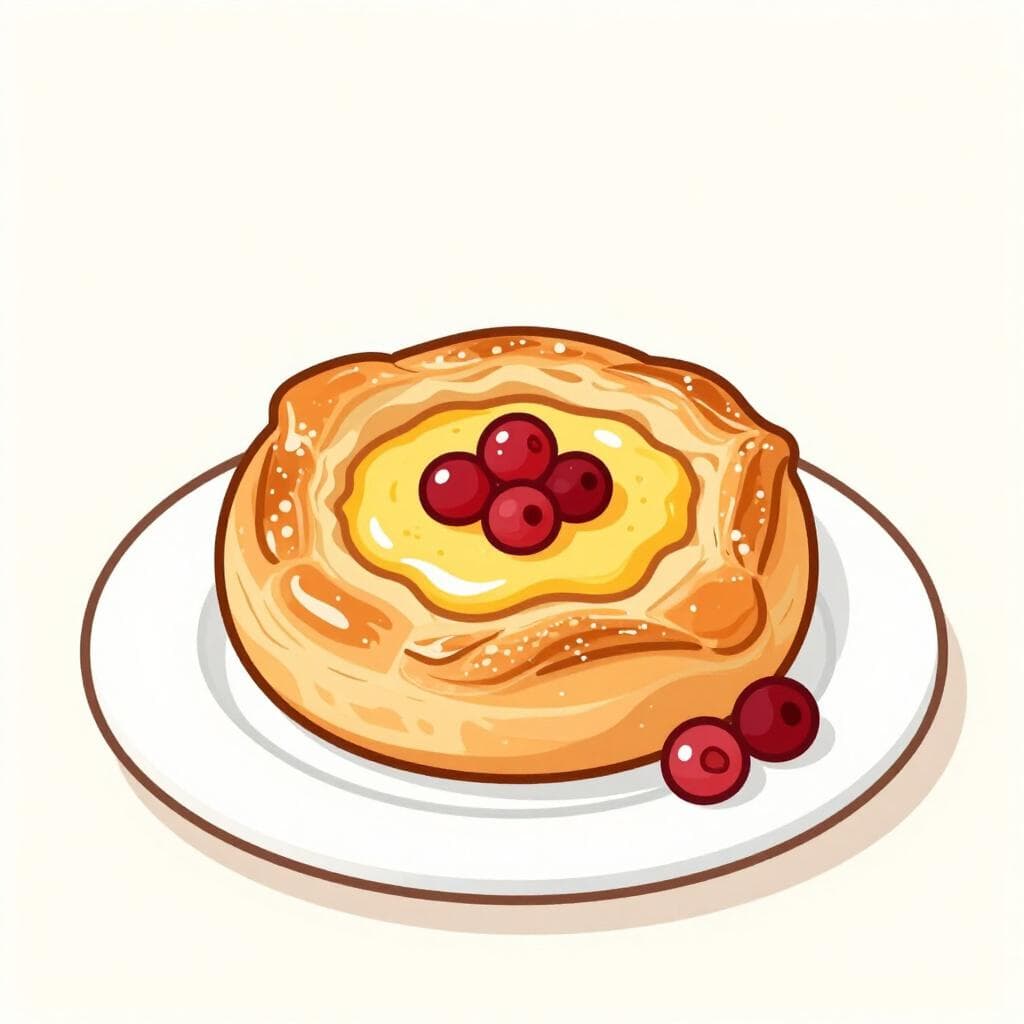


DanishAlso: of Denmark
📝 In Action
Me encanta el diseño danés porque es muy simple.
A1I love Danish design because it is very simple.
El clima danés es bastante frío en invierno.
A2The Danish climate is quite cold in winter.
Este queso danés tiene un sabor muy fuerte.
B1This Danish cheese has a very strong flavor.
Word Connections
Danish

📝 In Action
El danés es un idioma difícil de pronunciar.
A2Danish is a difficult language to pronounce.
Ella habla danés con fluidez.
B1She speaks Danish fluently.
Estoy tomando clases de danés.
A1I am taking Danish classes.
Word Connections
DaneAlso: Danish man

📝 In Action
Conocí a un danés en mi viaje a Madrid.
A1I met a Dane on my trip to Madrid.
El danés que vive al lado es muy simpático.
A2The Danish man who lives next door is very nice.
Varios daneses visitaron el museo hoy.
B1Several Danes visited the museum today.
Word Connections
Translate to Spanish
Words that translate to "danés" in Spanish:
✏️ Quick Practice
Quick Quiz: danés
Question 1 of 3
Which of these is the correct way to write 'The Danish language'?
📚 More Resources
👥 Word Family
🎵 Rhymes
📚 Etymology
From the word 'Dan' (referring to the tribe of Danes) and the Spanish ending '-és,' which is used to create adjectives of origin from names of places.
First recorded: 13th century
Cognates (Related words)
💡 Master Spanish
Take your Spanish to the next level. Read 200+ illustrated and narrated Spanish stories tailored to your level with the Inklingo app!
Frequently Asked Questions
Do I capitalize 'danés'?
No, in Spanish, nationalities and languages are always written in lowercase unless they are the first word in a sentence.
Does 'danés' also mean a 'Danish pastry'?
Not usually. In most Spanish-speaking countries, a Danish pastry is called a 'factura' or simply 'pan dulce.' You wouldn't order 'un danés' at a bakery.
How do I make 'danés' plural?
To make it plural, add '-es' to the end: 'daneses'. Notice that when you add the ending, the accent mark on the 'e' is no longer needed!