desempleo
“desempleo” means “unemployment” in Spanish (The general state of being without a job.).
unemployment
Also: joblessness, unemployment benefits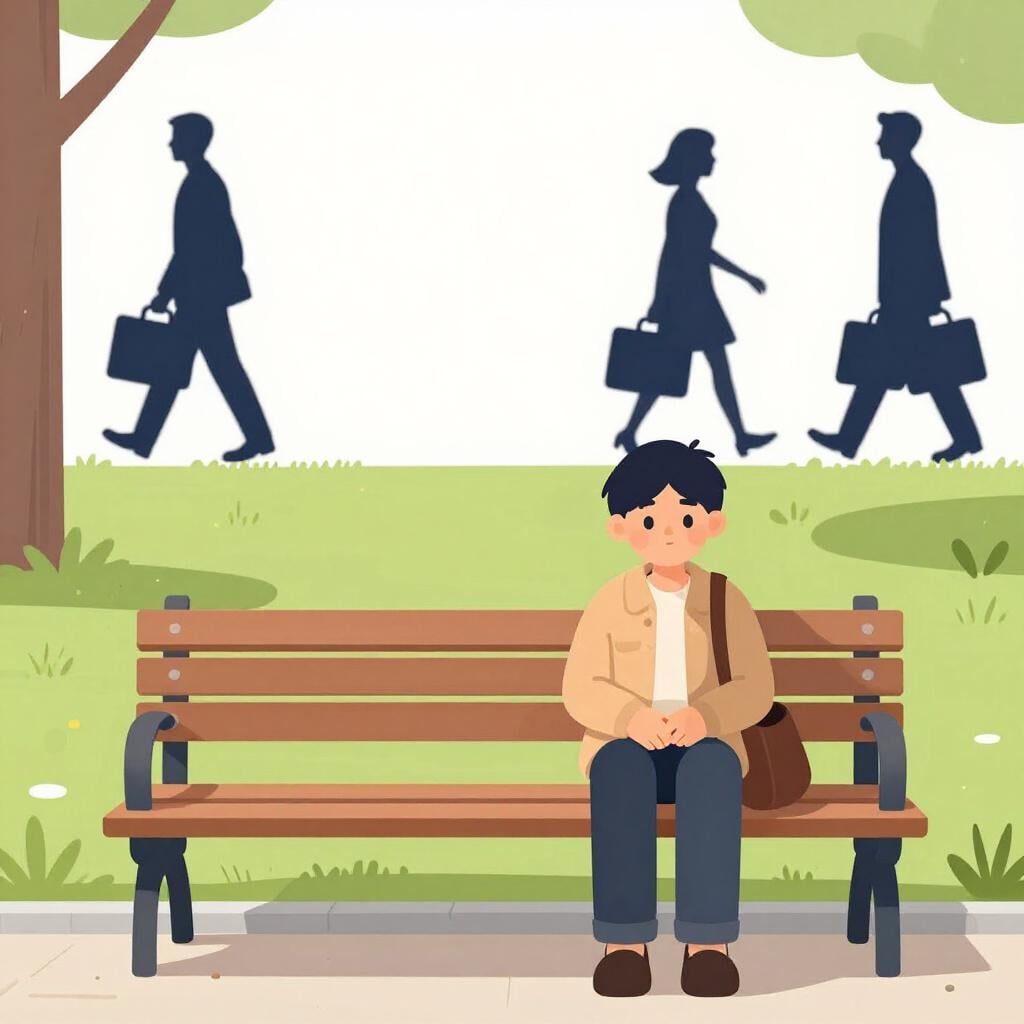
📝 In Action
El desempleo ha bajado mucho este año.
A2Unemployment has gone down a lot this year.
Muchos jóvenes sufren por el desempleo juvenil.
B1Many young people suffer from youth unemployment.
Perdí mi trabajo y ahora estoy cobrando el desempleo.
B2I lost my job and now I am collecting unemployment benefits.
Translate to Spanish
✏️ Quick Practice
Quick Quiz: desempleo
Question 1 of 3
In Spain, which word is more common in casual conversation to mean unemployment?
📚 More Resources
👥 Word Family▼
📚 Etymology▼
Formed by adding the prefix 'des-' (meaning 'undoing' or 'opposite') to the word 'empleo' (employment), which comes from the Latin 'implicare', meaning 'to involve or entangle'.
First recorded: 19th century
Cognates (Related words)
💡 Master Spanish
Take your Spanish to the next level. Read 200+ illustrated and narrated Spanish stories tailored to your level with the Inklingo app!
Frequently Asked Questions
What is the difference between 'paro' and 'desempleo'?
Technically, they mean the same thing. However, 'desempleo' is more formal and used in Latin America and official documents. 'Paro' is the standard word used in Spain.
Can 'desempleo' be plural?
Rarely. We usually talk about unemployment as a general concept ('el desempleo'). You wouldn't say 'los desempleos' unless comparing different types of unemployment in a technical study.
Is 'desempleo' a masculine or feminine word?
It is masculine. You should always say 'el desempleo'.