diabético
“diabético” means “diabetic” in Spanish. It has 2 different meanings depending on context:
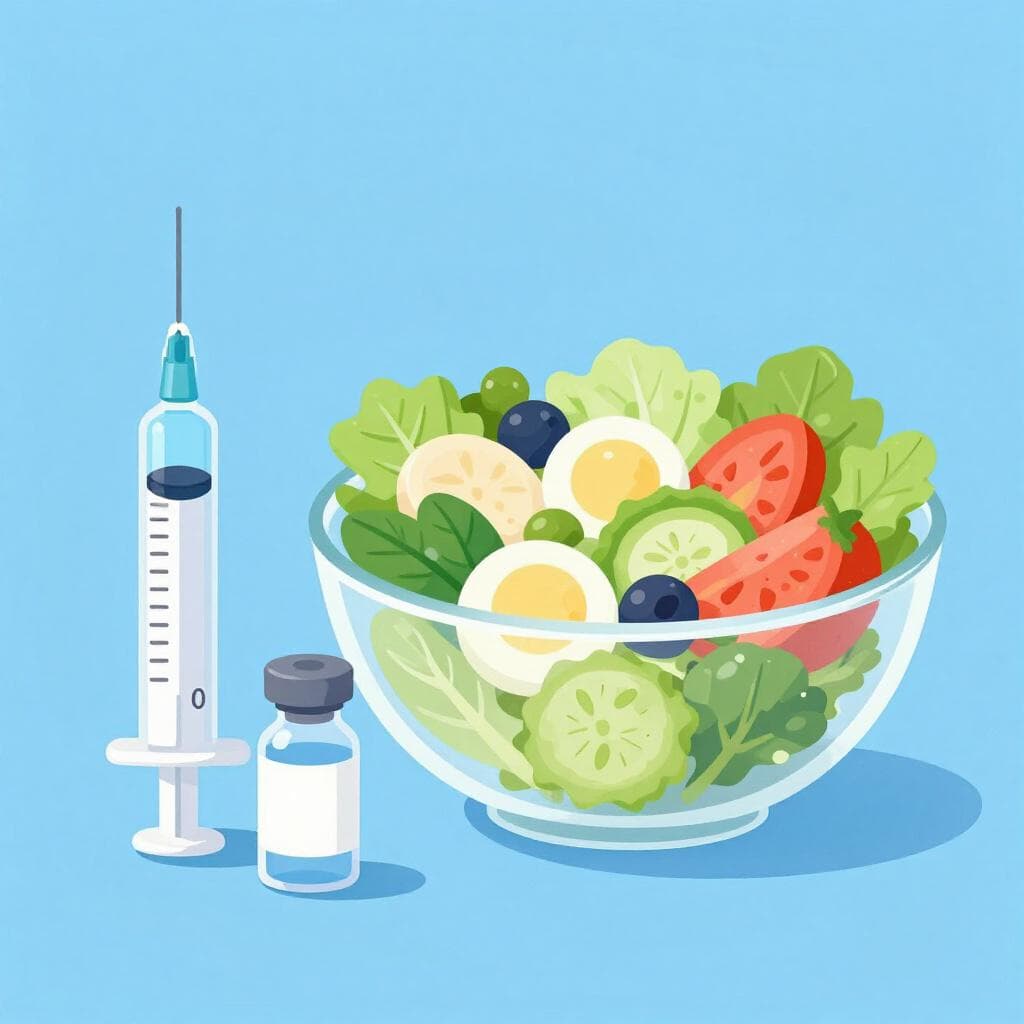
diabeticAlso: sugar-free
📝 In Action
Mi abuelo sigue una dieta diabética muy estricta.
A2My grandfather follows a very strict diabetic diet.
El paciente sufrió un coma diabético por falta de insulina.
B1The patient suffered a diabetic coma due to a lack of insulin.
Hay que revisar el historial diabético antes de la cirugía.
B2We must check the diabetic history before the surgery.
Word Connections
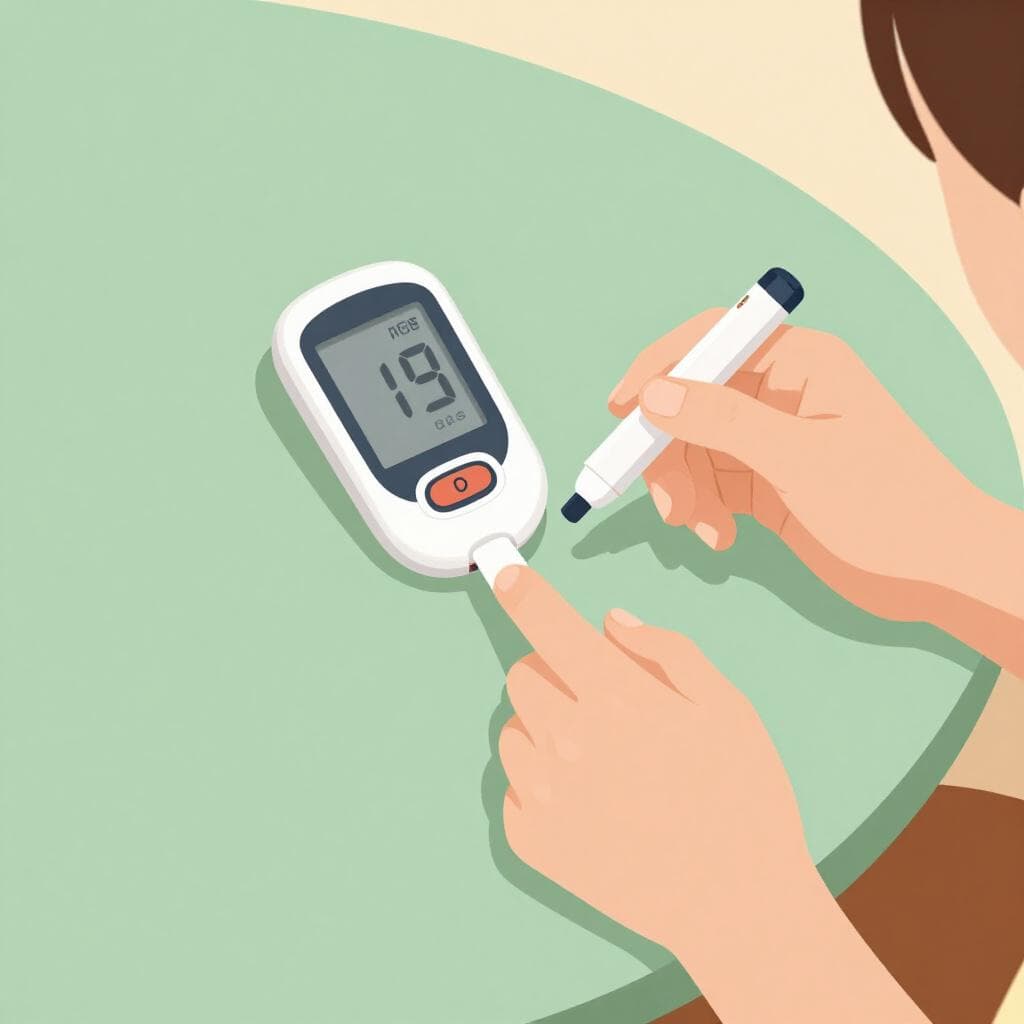
diabeticAlso: person with diabetes
📝 In Action
Juan es diabético desde que era un niño.
A1Juan has been a diabetic since he was a child.
Los diabéticos deben controlar su nivel de azúcar a diario.
B1Diabetics must check their sugar levels daily.
Este menú está diseñado específicamente para diabéticos.
B2This menu is designed specifically for diabetics.
Word Connections
Translate to Spanish
Words that translate to "diabético" in Spanish:
✏️ Quick Practice
Quick Quiz: diabético
Question 1 of 3
Which verb should you use to say 'He is diabetic'?
📚 More Resources
👥 Word Family
🎵 Rhymes
📚 Etymology
From the Greek word 'diabētēs', which literally means 'a siphon' or 'passing through'. It was named this because the condition caused fluids to pass through the body too quickly.
First recorded: 18th century (modern medical use)
Cognates (Related words)
💡 Master Spanish
Take your Spanish to the next level. Read 200+ illustrated and narrated Spanish stories tailored to your level with the Inklingo app!
Frequently Asked Questions
Is 'diabético' offensive in Spanish?
No, it is a standard medical and neutral term. However, in formal settings, some prefer 'persona con diabetes' to sound more modern and respectful.
How do I pronounce the written accent?
The accent on the 'é' (diabético) tells you to put more emphasis and volume on that specific syllable: dee-ah-BEH-tee-koh.
Does it mean 'sugar-free' when referring to food?
Technically no, but if you see a label saying 'apto para diabéticos' (suitable for diabetics), it implies the food is sugar-free or low-sugar.