diosa
“diosa” means “goddess” in Spanish. It has 2 different meanings depending on context:
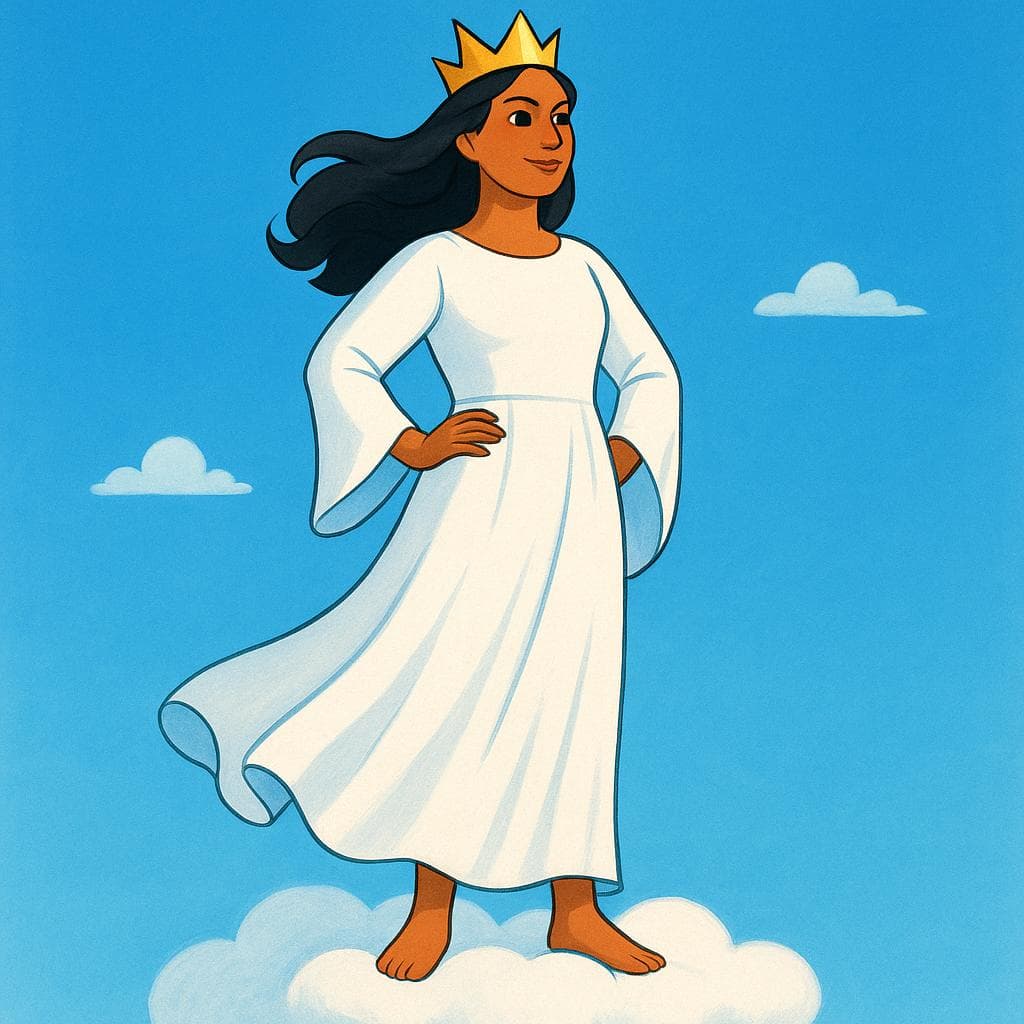

goddessAlso: female deity

📝 In Action
En la mitología romana, Diana era la diosa de la caza.
B2In Roman mythology, Diana was the goddess of the hunt.
Los antiguos egipcios adoraban a muchas diosas y dioses.
C1The ancient Egyptians worshipped many goddesses and gods.
Word Connections
stunner, knockoutAlso: diva

📝 In Action
Esa modelo es una diosa; acaparó todas las miradas en la pasarela.
B1That model is a knockout; she grabbed everyone's attention on the runway.
Cuando se pone ese vestido rojo, mi esposa parece una diosa.
B2When she puts on that red dress, my wife looks like a goddess (stunning).
Word Connections
Translate to Spanish
Words that translate to "diosa" in Spanish:
✏️ Quick Practice
Quick Quiz: diosa
Question 1 of 1
Which sentence uses 'diosa' to mean a mythical figure, rather than an attractive woman?
📚 More Resources
👥 Word Family
📚 Etymology
The word comes directly from the Latin word 'dea,' which meant 'goddess.' It is the feminine counterpart to 'dios' (god), which comes from Latin 'deus.'
First recorded: Before the 13th century
Cognates (Related words)
💡 Master Spanish
Take your Spanish to the next level. Read 200+ illustrated and narrated Spanish stories tailored to your level with the Inklingo app!
Frequently Asked Questions
Is 'diosa' appropriate to use as a compliment in formal situations?
Generally, no. While it's a powerful compliment, it is usually reserved for informal settings, among friends, or when admiring a celebrity. In a formal business context, stick to words like 'excelente' (excellent) or 'brillante' (brilliant).