Inklingo

dios

/dyos/

God

An abstract, powerful image of a single, radiant source of light in the cosmos, representing the concept of a singular, all-powerful God.

This image shows a single, powerful source of light, representing the idea of one God in religions like Christianity or Islam.

dios(Noun)

mA1

God

?

the single supreme being in monotheistic religions

📝 In Action

Mucha gente reza a Dios por la noche.

A1

Many people pray to God at night.

Gracias a Dios que llegaste bien.

A2

Thank God you arrived safely.

Si Dios quiere, nos veremos mañana.

B1

God willing, we'll see each other tomorrow.

Word Connections

Synonyms

  • el Creador (the Creator)
  • el Señor (the Lord)

Antonyms

Common Collocations

  • gracias a Diosthank God
  • ¡Dios mío!Oh my God!
  • si Dios quiereGod willing

Idioms & Expressions

💡 Grammar Points

Always Capitalized

When you're talking about the single God of religions like Christianity, Islam, or Judaism, the word 'Dios' is always written with a capital 'D'.

No 'un' or 'el'

Just like you usually say 'God' in English instead of 'the God', in Spanish you just say 'Dios'. You don't normally need to put 'el' (the) or 'un' (a) in front of it.

❌ Common Pitfalls

Forgetting the Capital Letter

Mistake: "Creo en dios."

Correction: When referring to the supreme being, it's treated like a name, so it gets a capital letter: 'Creo en Dios'.

⭐ Usage Tips

Everyday Expressions

'Dios' is part of many common phrases used by everyone, religious or not. For example, '¡Dios mío!' (Oh my God!) is a very frequent expression of surprise.

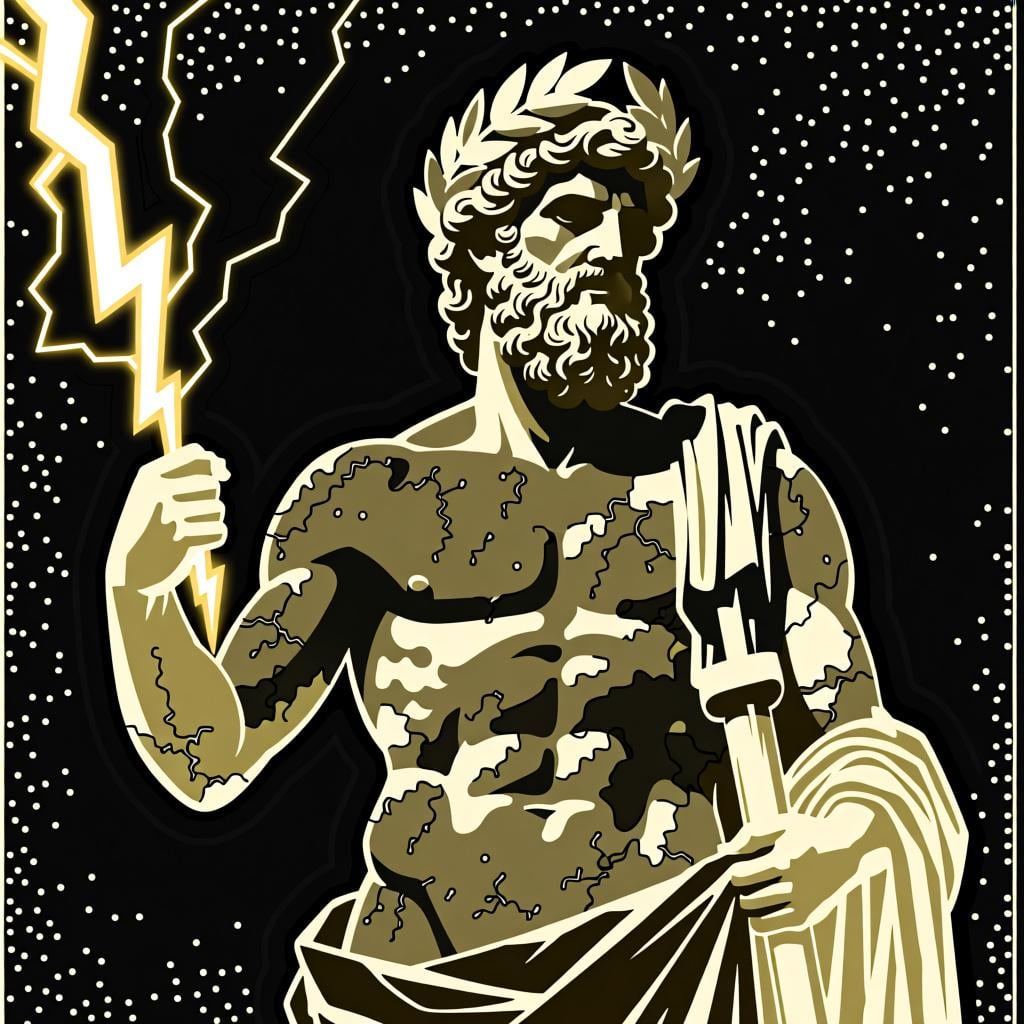
A classical marble statue of a Greek god, like Zeus or Apollo, representing one of many deities in a polytheistic religion.

This statue of a Greek figure represents the idea of 'a god'—one of many gods in certain religions or mythologies.

dios(Noun)

mA2

god

?

a male deity in a polytheistic religion

Also:

deity

?

a divine being

📝 In Action

Zeus era el dios del trueno.

A2

Zeus was the god of thunder.

Los romanos tenían muchos dioses.

B1

The Romans had many gods.

Ares es el dios griego de la guerra.

B1

Ares is the Greek god of war.

Word Connections

Synonyms

  • deidad (deity)
  • divinidad (divinity)

Antonyms

Common Collocations

  • dios griegoGreek god
  • dios de la guerragod of war
  • semidiósdemigod

💡 Grammar Points

Lowercase and Plural

When talking about one of many gods (like in Greek mythology), use a lowercase 'd'. This version also has a plural form: 'dioses' (gods).

Gods and Goddesses

The word 'dios' specifically refers to a male god. For a female god, you use the separate word 'diosa'.

❌ Common Pitfalls

Capitalization Mix-up

Mistake: "Los griegos creían en muchos Dioses."

Correction: Use lowercase for multiple gods in a mythology: 'Los griegos creían en muchos dioses'.

⭐ Usage Tips

Figurative Use

You might hear someone call a handsome man a 'dios griego' (a Greek god) or a talented soccer player 'el dios del fútbol' (the god of soccer).

✏️ Quick Practice

💡 Quick Quiz: dios

Question 1 of 2

Which sentence is written correctly?

📚 More Resources

Word Family

diosa(goddess) - noun
divino(divine) - adjective

Frequently Asked Questions

Why is 'adiós' related to 'dios'?

Great question! The word 'adiós' for 'goodbye' literally comes from the old Spanish phrase 'a Dios vos encomiendo', which meant 'I commend you to God'. Over time, it was shortened to just 'a Dios', or 'adiós'.

How do you make 'dios' plural?

The plural of 'dios' (a god) is 'dioses' (gods). For example, 'los dioses griegos' (the Greek gods). The word 'Dios' (God) is generally not used in the plural, as it refers to a single being.

Is 'dios' always masculine?

Yes, 'dios' is a masculine noun, so you say 'el dios' or 'un dios'. The word for a female deity is 'diosa', which is a feminine noun ('la diosa').