discapacitado
“discapacitado” means “disabled” in Spanish. It has 2 different meanings depending on context:

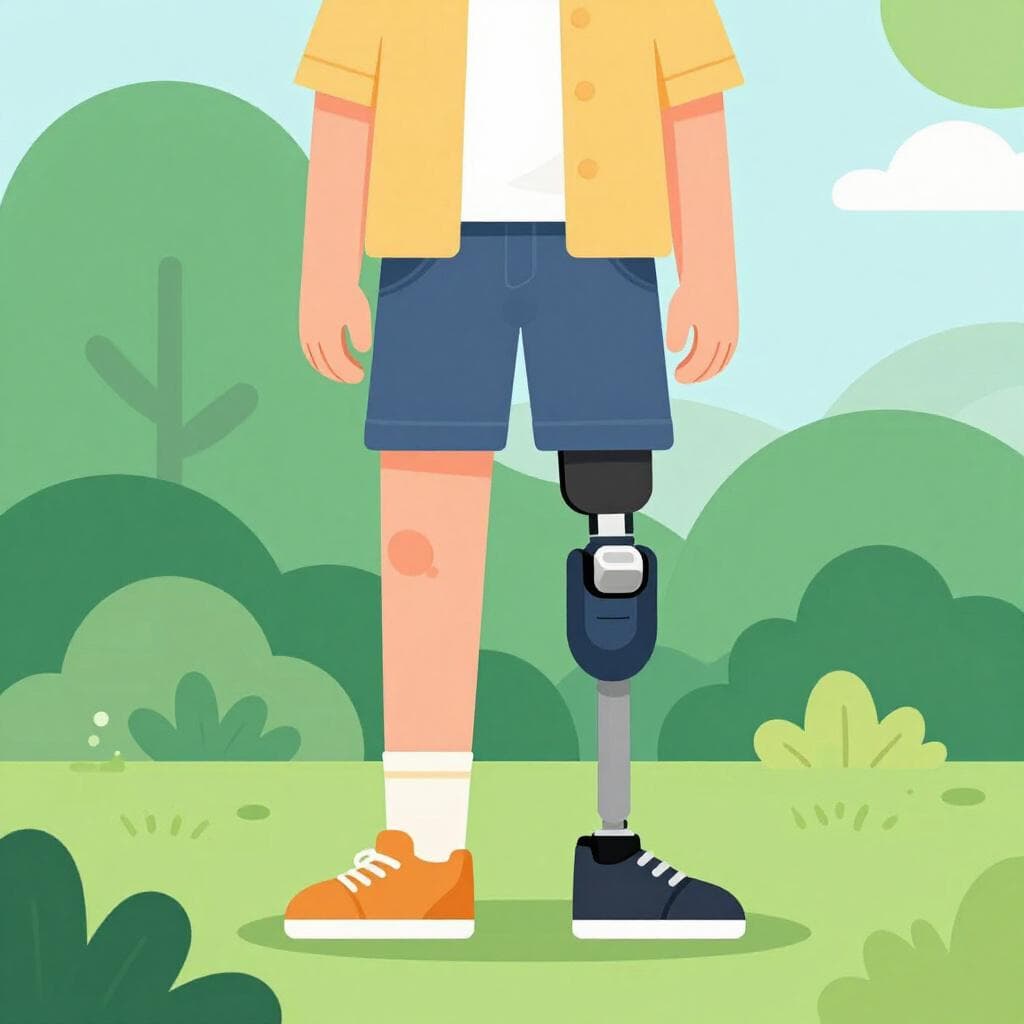
disabled
Also: handicapped
📝 In Action
Mi abuelo es discapacitado y usa una silla de ruedas.
A2My grandfather is disabled and uses a wheelchair.
El hotel tiene tres habitaciones adaptadas para personas discapacitadas.
B1The hotel has three rooms adapted for disabled people.
Es necesario crear más empleos para trabajadores discapacitados.
B2It is necessary to create more jobs for disabled workers.
disabled person
Also: the disabled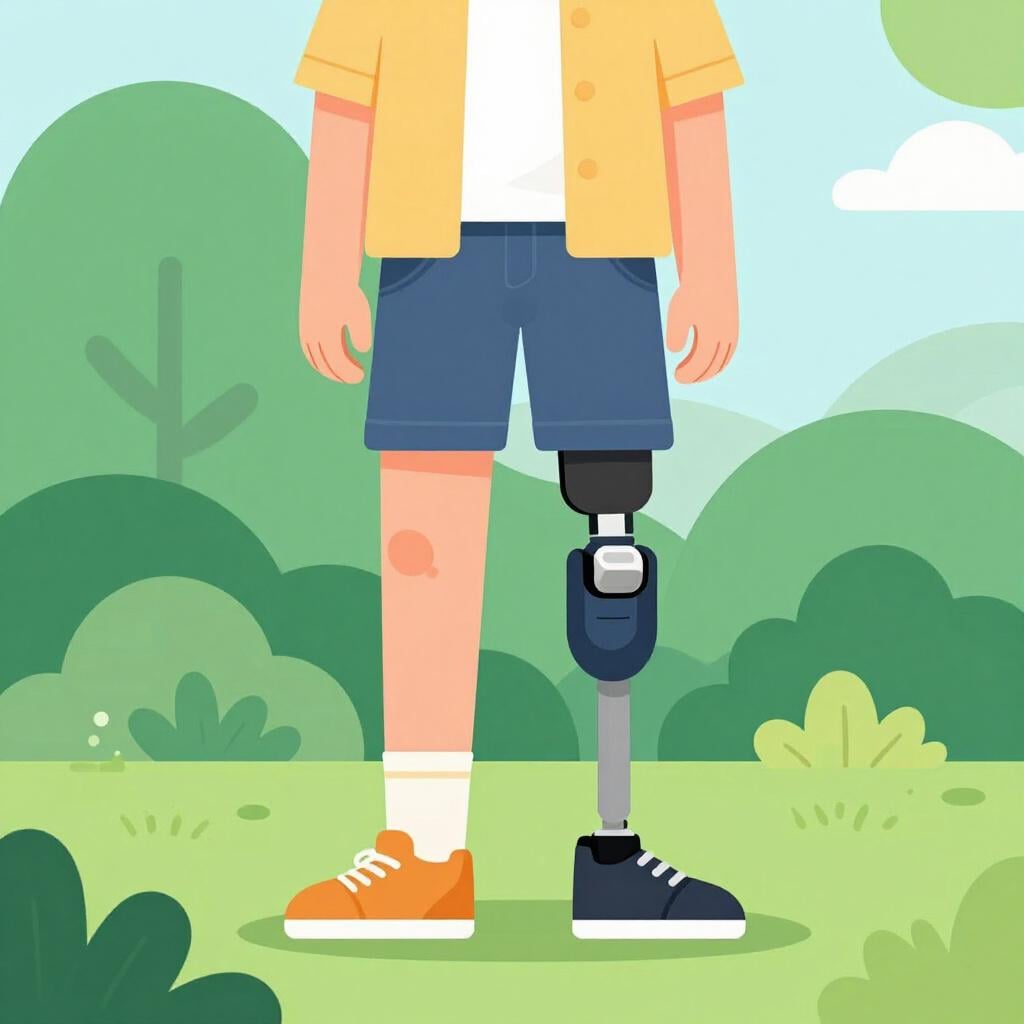
📝 In Action
Hay un descuento especial para discapacitados en el museo.
B1There is a special discount for disabled people at the museum.
El centro ayuda a los discapacitados a encontrar trabajo.
B1The center helps the disabled find work.
Este aparcamiento es solo para discapacitados.
A2This parking spot is only for disabled persons.
Translate to Spanish
Words that translate to "discapacitado" in Spanish:
disabled→disabled person→handicapped→the disabled→✏️ Quick Practice
Quick Quiz: discapacitado
Question 1 of 3
Which is the most respectful way to refer to someone with a disability in a modern context?
📚 More Resources
👥 Word Family▼
🎵 Rhymes▼
📚 Etymology▼
Formed from the prefix 'dis-' (which means 'not' or 'lack of') and the word 'capacitado' (from Latin 'capacitas', meaning 'ability to hold or contain'). It essentially means 'someone without a specific ability'.
First recorded: 20th century
Cognates (Related words)
💡 Master Spanish
Take your Spanish to the next level. Read 200+ illustrated and narrated Spanish stories tailored to your level with the Inklingo app!
Frequently Asked Questions
Is 'discapacitado' offensive?
It is not inherently offensive and is used in legal documents. However, many people prefer 'persona con discapacidad' because it focuses on the person rather than the limitation.
What is the difference between 'discapacitado' and 'minusválido'?
'Minusválido' literally means 'less valid,' which is why it has fallen out of favor. 'Discapacitado' is the more standard and accepted term today.
Does it apply to both physical and mental conditions?
Yes, 'discapacitado' is a broad term that covers physical, sensory, intellectual, or mental health disabilities.