duermes
“duermes” means “you sleep” in Spanish (informal singular present tense).
you sleep
Also: are you sleeping?, you are sleeping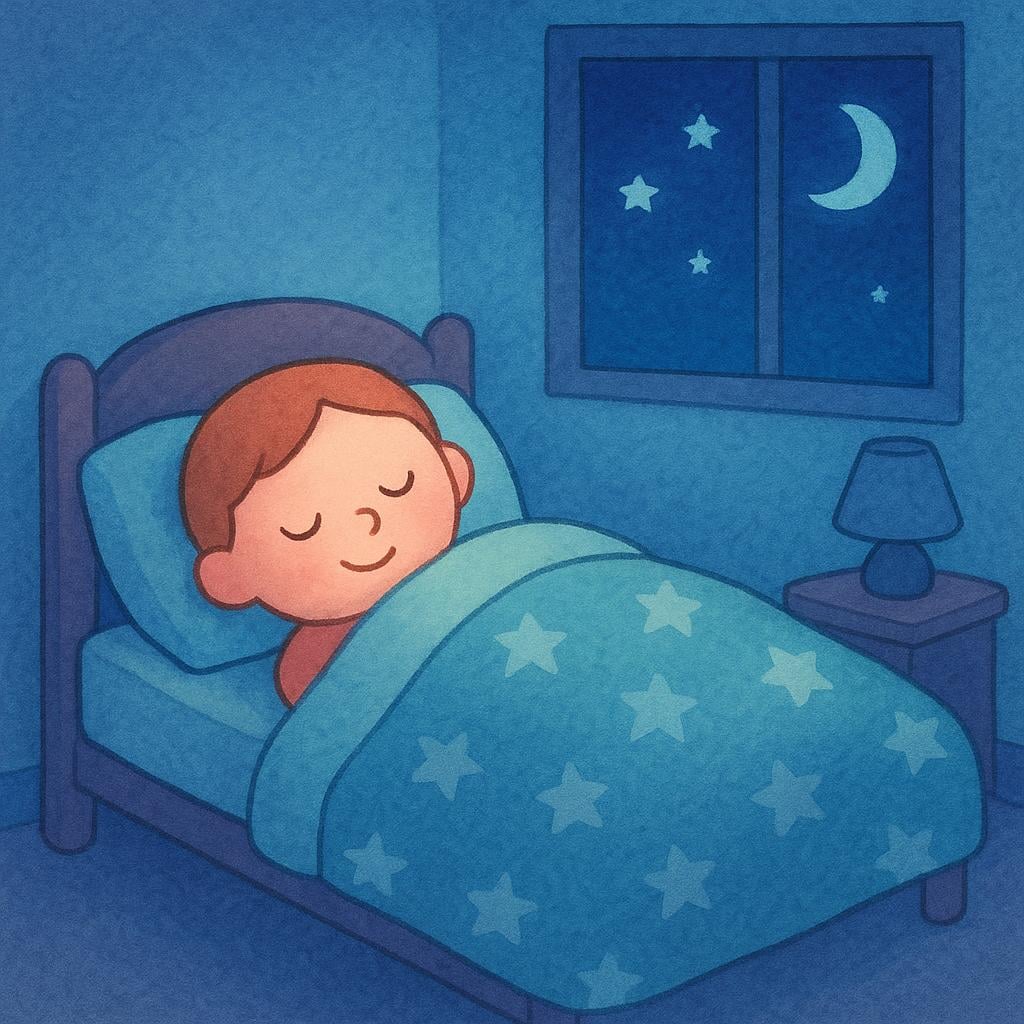
📝 In Action
¿Duermes bien, amigo?
A1Do you sleep well, friend?
Siempre duermes hasta tarde los sábados.
A2You always sleep in late on Saturdays.
Si duermes ahora, no tendrás sueño esta noche.
B1If you sleep now, you won't be tired tonight.

Indicative
Present
Imperfect
Preterite
Subjunctive
Present Subjunctive
Imperfect Subjunctive
Translate to Spanish
Words that translate to "duermes" in Spanish:
you sleep→✏️ Quick Practice
Quick Quiz: duermes
Question 1 of 1
Which sentence correctly uses 'duermes'?
📚 More Resources
👥 Word Family▼
🎵 Rhymes▼
📚 Etymology▼
The Spanish verb 'dormir' comes directly from the Latin verb *dormire*, which meant 'to sleep.' The stem change from 'o' to 'ue' (as seen in 'duermes') developed naturally in Spanish as the language evolved from Vulgar Latin, making the word sound stronger when stressed.
First recorded: Appeared in Spanish as 'dormir' around the 10th or 11th century.
Cognates (Related words)
💡 Master Spanish
Take your Spanish to the next level. Read 200+ illustrated and narrated Spanish stories tailored to your level with the Inklingo app!
Frequently Asked Questions
Why does 'dormir' change its spelling to 'duermes'?
This is called a 'stem change' or 'boot verb' rule. In the present tense, the 'o' in the middle of the verb often changes to 'ue' when the stress falls on that part of the word. You see this change in 'yo,' 'tú,' 'él/ella/usted,' and 'ellos/ellas/ustedes.'
If I want to ask 'Are you sleeping?' formally, what do I say?
If you are addressing someone formally (using 'usted'), you would say '¿Usted duerme?' or simply '¿Duerme?'