duros
“duros” means “hard” in Spanish. It has 2 different meanings depending on context:
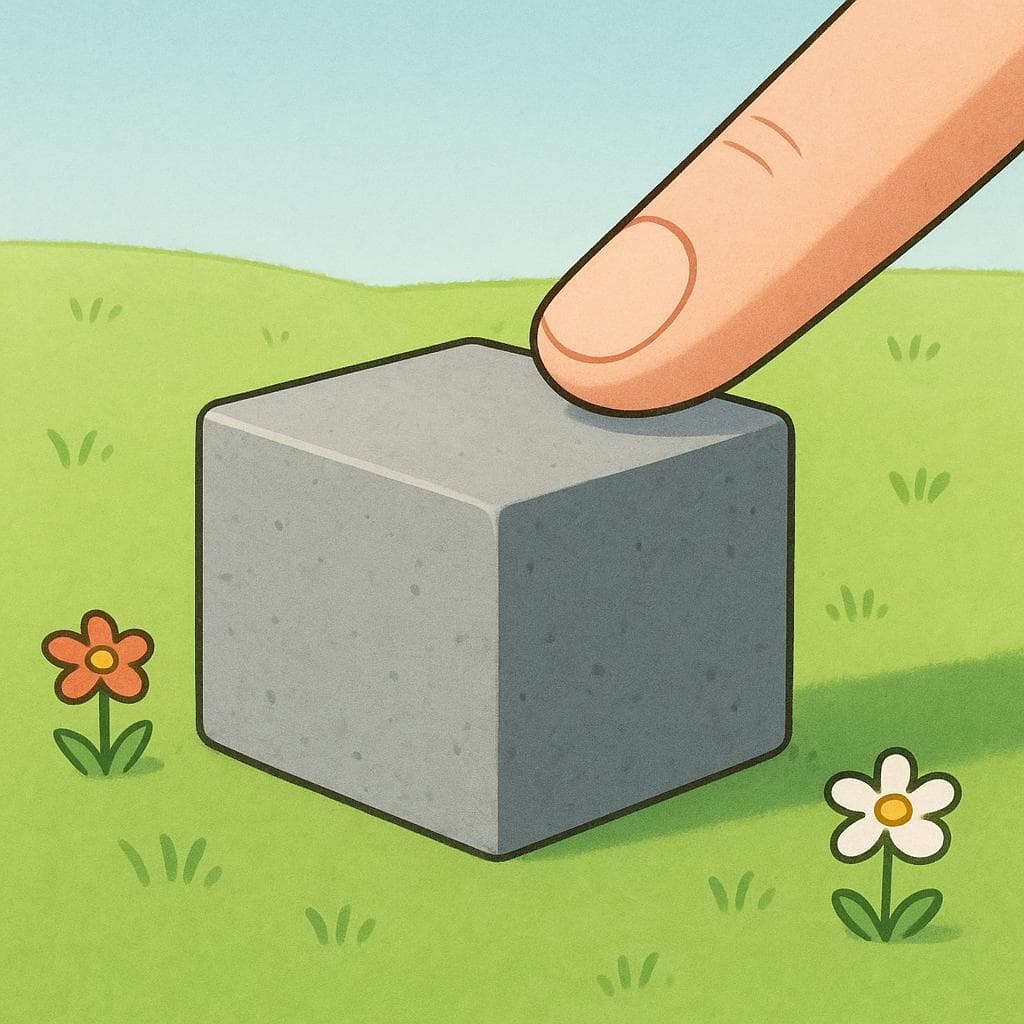

hard, toughAlso: difficult, severe
📝 In Action
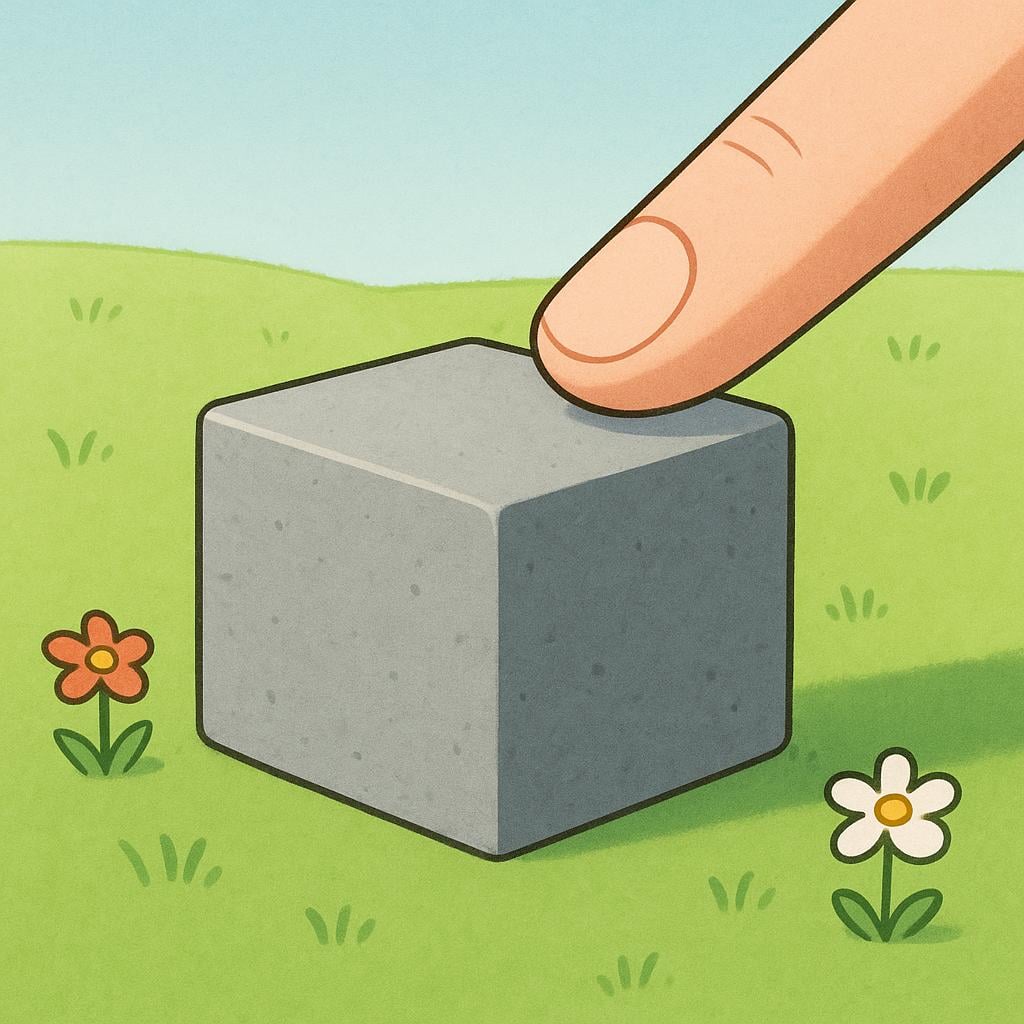
Los ladrillos son muy duros, no se rompen fácilmente.
A2The bricks are very hard; they don't break easily.
Pasamos por momentos muy duros después de la crisis.
B1We went through some very tough times after the crisis.
Los entrenamientos de este gimnasio son demasiado duros para mí.
A2The workouts at this gym are too difficult/hard for me.
Word Connections
bucksAlso: five-peseta coins, cash

📝 In Action
Me costó cien duros comprar ese libro de segunda mano.
B2It cost me a hundred bucks (or hundred pesetas) to buy that second-hand book.
Si me prestas veinte duros, te los devuelvo mañana.
B2If you lend me twenty bucks, I'll give them back tomorrow.
Word Connections
Translate to Spanish
Words that translate to "duros" in Spanish:
✏️ Quick Practice
Quick Quiz: duros
Question 1 of 1
Which sentence uses 'duros' in the sense of 'money'?
📚 More Resources
👥 Word Family
🎵 Rhymes
📚 Etymology
Comes from the Latin word *durus*, meaning 'hard' or 'firm.' This concept of hardness led both to describing physical objects and, later, difficult situations. The currency meaning came from the large, heavy 'hard' silver coins used centuries ago.
First recorded: 13th century (in Spanish)
Cognates (Related words)
💡 Master Spanish
Take your Spanish to the next level. Read 200+ illustrated and narrated Spanish stories tailored to your level with the Inklingo app!
Frequently Asked Questions
Why does 'duros' sometimes mean money?
Historically, the word 'duro' was the common name for the large, silver five-peseta coin in Spain. Even though Spain now uses the Euro, people still use 'duros' informally to mean 'bucks' or 'cash,' especially when talking about small amounts.
Can I use 'duros' to describe a person?
Yes, but be careful. When describing a person, 'duro' (and 'duros') means they are tough, strict, or emotionally cold, like 'un jefe duro' (a tough boss). It usually implies severity.