eclipse
“eclipse” means “eclipse” in Spanish. It has 2 different meanings depending on context:

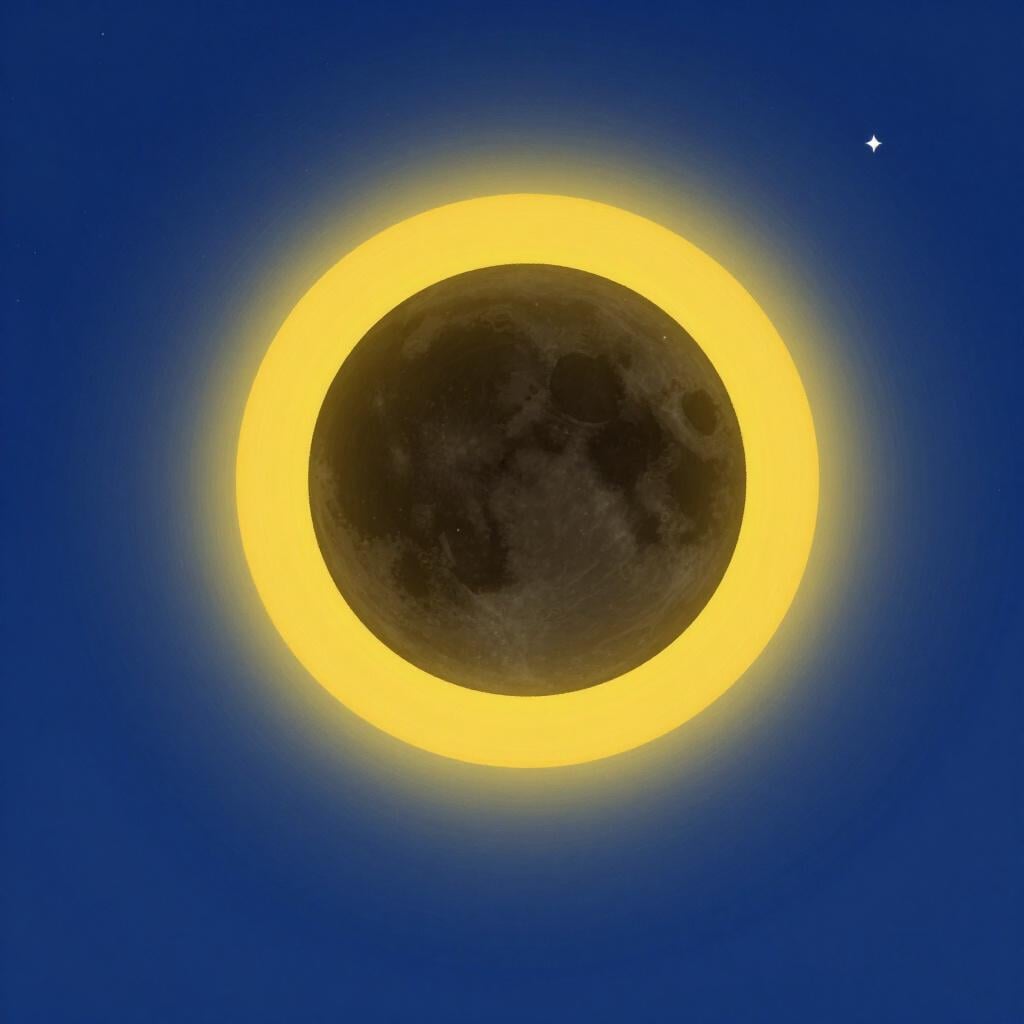
eclipseAlso: blocking of light
📝 In Action
No debes mirar el eclipse solar directamente sin protección.
A2You shouldn't look directly at the solar eclipse without protection.
Hubo un eclipse de luna anoche y el cielo estaba despejado.
B1There was a lunar eclipse last night and the sky was clear.
Los científicos predicen un eclipse total para el próximo año.
B1Scientists predict a total eclipse for next year.
Word Connections
overshadowingAlso: decline, eclipse
📝 In Action
El éxito de la nueva canción supuso el eclipse de su carrera anterior.
B2The success of the new song meant the overshadowing of his previous career.
La crisis política provocó un eclipse de los valores democráticos.
C1The political crisis caused a decline of democratic values.
Su fama sufrió un eclipse repentino tras el escándalo.
C1His fame suffered a sudden decline after the scandal.
Word Connections
Translate to Spanish
Words that translate to "eclipse" in Spanish:
✏️ Quick Practice
Quick Quiz: eclipse
Question 1 of 3
What is the correct way to say 'the eclipse'?
📚 More Resources
👥 Word Family
🎵 Rhymes
📚 Etymology
From the Latin 'eclipsis', which comes from the Greek 'ekleipsis', meaning 'a failure' or 'a leaving out'. Ancient people saw the moon or sun 'failing' to shine.
First recorded: 13th century
Cognates (Related words)
💡 Master Spanish
Take your Spanish to the next level. Read 200+ illustrated and narrated Spanish stories tailored to your level with the Inklingo app!
Frequently Asked Questions
Is 'eclipse' always masculine?
Yes, 'eclipse' is always a masculine noun in Spanish, regardless of whether you are talking about the moon, the sun, or a person's career.
How do you say 'to eclipse' someone?
You use the verb 'eclipsar'. For example: 'Ella eclipsó a todos los demás bailarines' (She outshone all the other dancers).
Do I need 'de' for 'lunar eclipse'?
You can say 'eclipse lunar' (adjective) or 'eclipse de luna' (noun phrase). Both are perfectly correct and very common.