eléctrico
“eléctrico” means “electric” in Spanish. It has 2 different meanings depending on context:

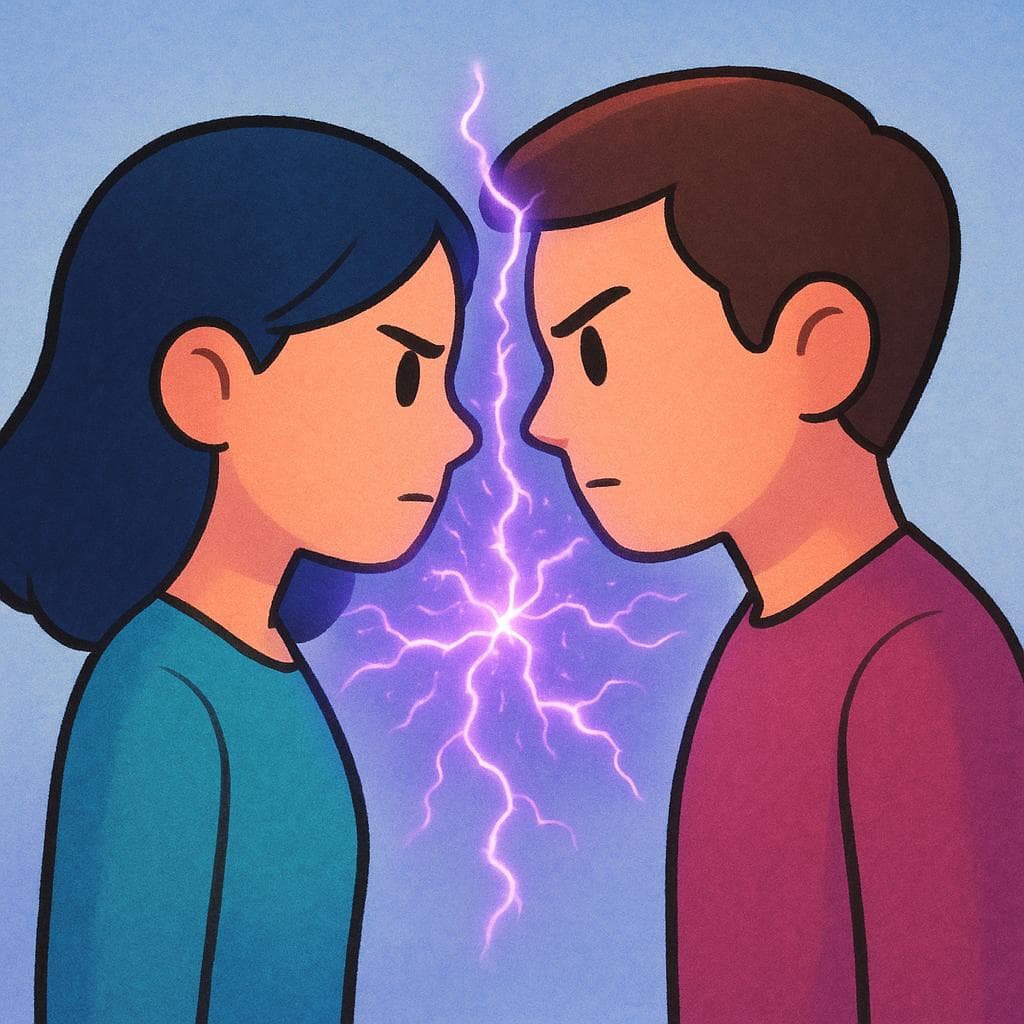
electric, electrical
Also: powered
📝 In Action
Necesitamos un cable eléctrico nuevo para la lámpara.
A1We need a new electrical cable for the lamp.
El coche eléctrico es más caro, pero gasta menos gasolina.
A2The electric car is more expensive, but it uses less gasoline.
Hay que apagar todos los aparatos eléctricos antes de salir.
A1You have to turn off all electrical appliances before leaving.
highly charged, electric
Also: tense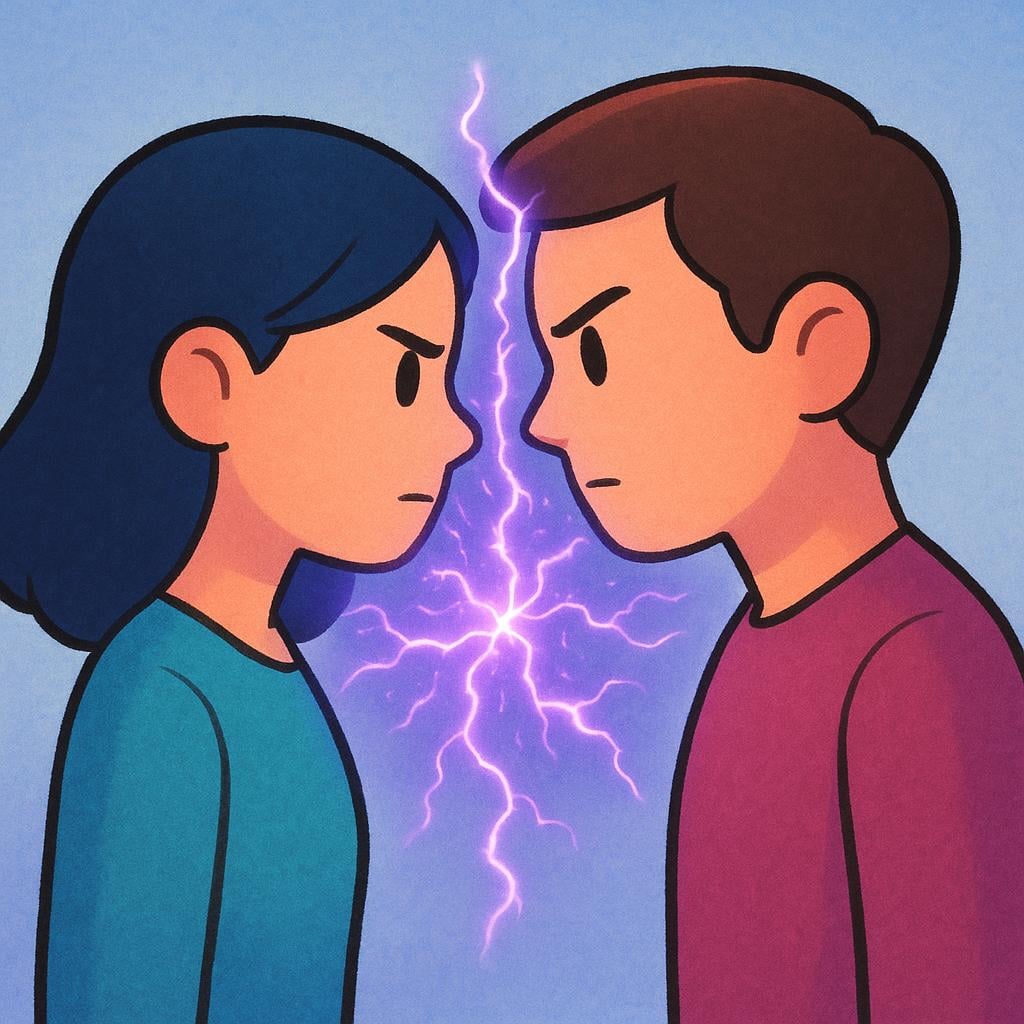
📝 In Action
El ambiente en el estadio era eléctrico antes de que empezara el concierto.
B2The atmosphere in the stadium was electric before the concert began.
Tuvieron un debate muy eléctrico sobre el futuro de la empresa.
C1They had a very heated/electric debate about the future of the company.
Translate to Spanish
✏️ Quick Practice
Quick Quiz: eléctrico
Question 1 of 2
Which sentence correctly uses the feminine form of 'eléctrico'?
📚 More Resources
👥 Word Family▼
🎵 Rhymes▼
📚 Etymology▼
Comes from the Latin word *ēlectricus*, which itself derived from the ancient Greek word *ēlektron*, meaning 'amber'. This is because the ancient Greeks noticed that rubbing amber caused static electricity, a phenomenon they first observed.
First recorded: 17th century (in Spanish, following scientific popularization)
Cognates (Related words)
💡 Master Spanish
Take your Spanish to the next level. Read 200+ illustrated and narrated Spanish stories tailored to your level with the Inklingo app!
Frequently Asked Questions
Does 'eléctrico' ever refer to a person?
The word for the person who works with electricity is the noun 'electricista' (electrician). However, you could say 'un técnico eléctrico' (an electrical technician).
How do I ensure I use the correct ending (-o or -a)?
'Eléctrico' is an adjective, so it must always match the gender of the noun it describes. If the noun is feminine (like 'luz' or 'corriente'), use 'eléctrica'. If the noun is masculine (like 'cable' or 'motor'), use 'eléctrico'.