empezaron
“empezaron” means “they started” in Spanish (to initiate an action or event).
they started, they beganAlso: you (plural, formal) started
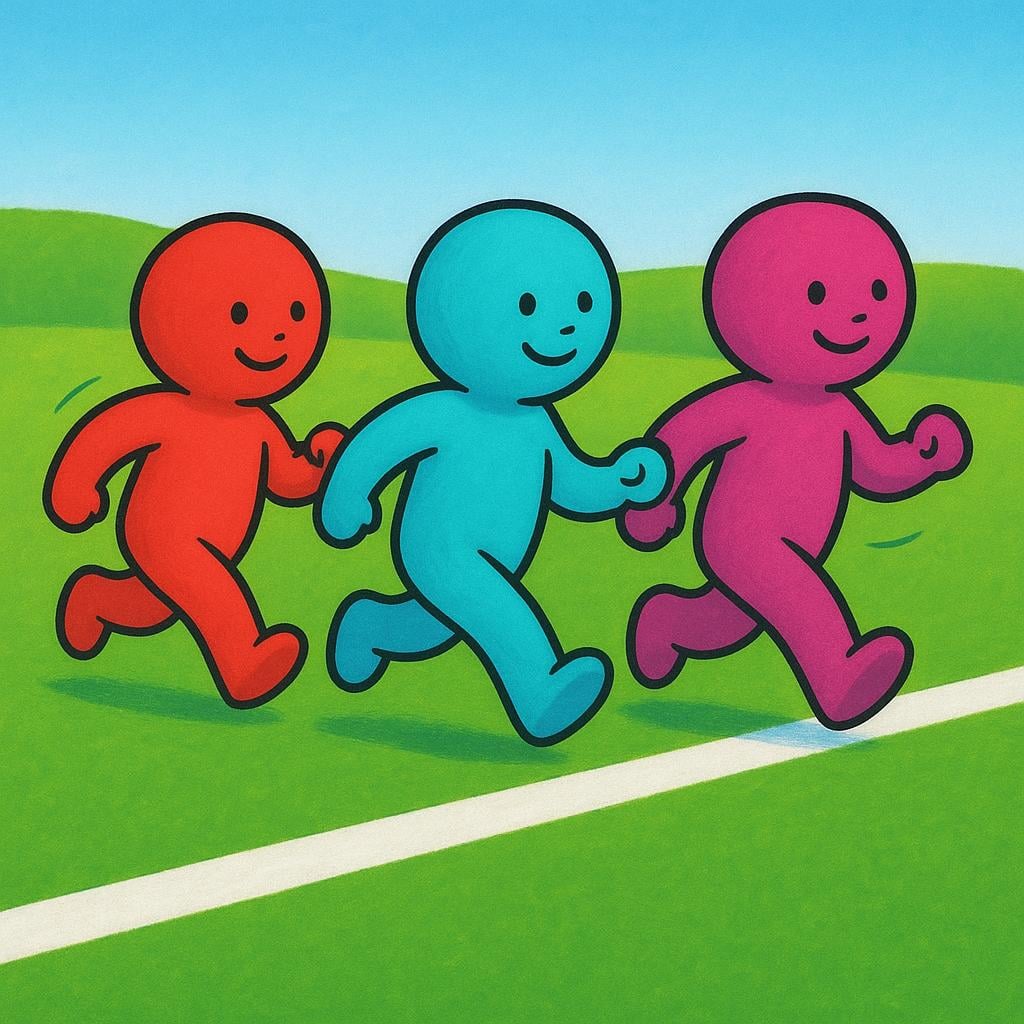
📝 In Action
Los niños empezaron a gritar cuando vieron el pastel.
A1The children started shouting when they saw the cake.
Ellas empezaron el proyecto la semana pasada y ya casi terminan.
A2They began the project last week and are almost done.
¿A qué hora empezaron ustedes la reunión?
A2What time did you (plural, formal) start the meeting?
Word Connections
Indicative
Present
Imperfect
Preterite
Subjunctive
Present Subjunctive
Imperfect Subjunctive
Translate to Spanish
Words that translate to "empezaron" in Spanish:
✏️ Quick Practice
Quick Quiz: empezaron
Question 1 of 1
Which sentence correctly uses 'empezaron' to describe a completed action?
📚 More Resources
👥 Word Family
📚 Etymology
Comes from the vulgar Latin *impetiare*, which is related to the idea of placing a foot or beginning a path. It shares roots with the word *pezón* (nipple/end point), suggesting moving from a point of origin.
First recorded: Medieval Spanish (around 13th century)
Cognates (Related words)
💡 Master Spanish
Take your Spanish to the next level. Read 200+ illustrated and narrated Spanish stories tailored to your level with the Inklingo app!
Frequently Asked Questions
What is the difference between 'empezaron' and 'comenzaron'?
They are perfect synonyms! Both mean 'they started' or 'they began' in the past. 'Empezaron' is generally more common in everyday spoken Spanish.
Why does the base verb 'empezar' change its spelling in the present tense but not in 'empezaron'?
The verb 'empezar' has a vowel change (E changes to IE) in the present tense (e.g., *empiezo*). However, this specific change only happens in the present. In the simple past tense ('empezaron'), the original E stays put, making the conjugation look more regular.