encantaba
“encantaba” means “I used to love” in Spanish. It has 2 different meanings depending on context:

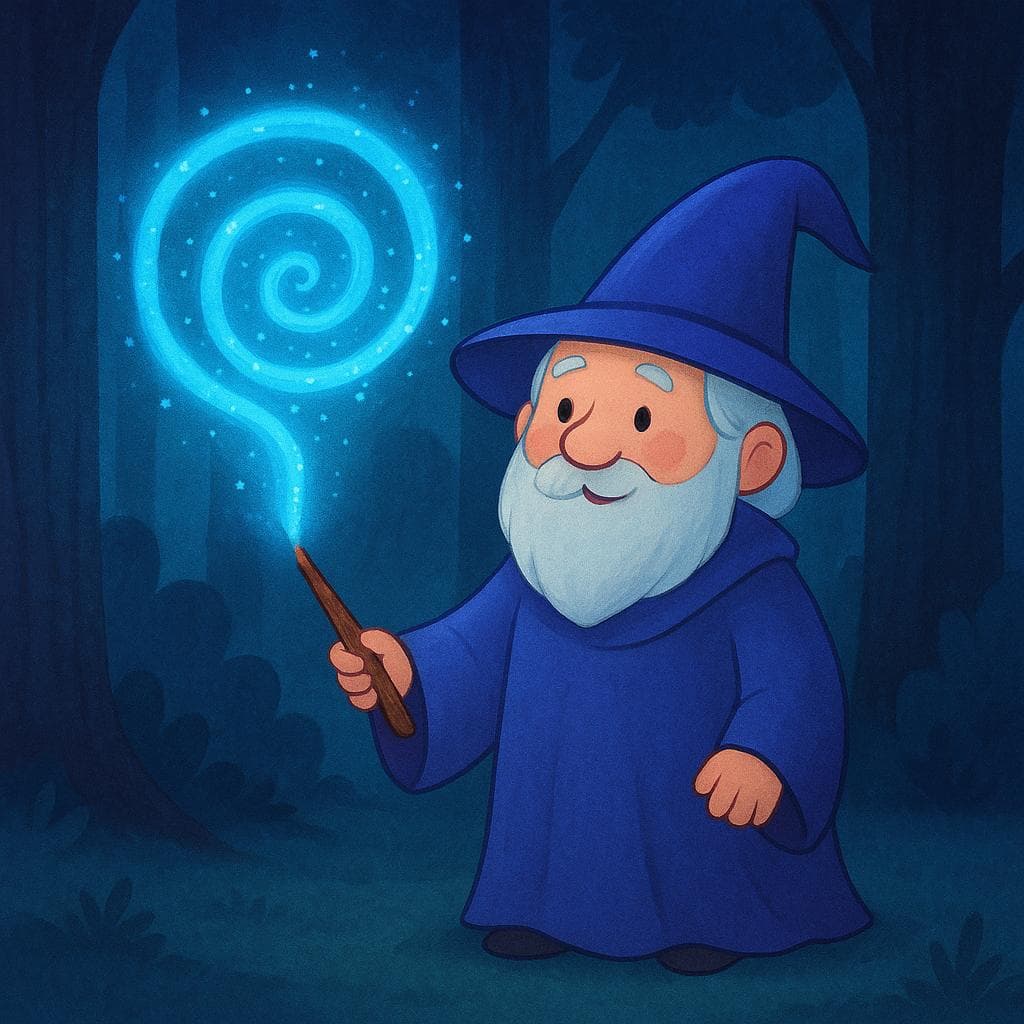
I used to love, he/she/it used to love
Also: I adored, was delighted by
📝 In Action
De niño, me encantaba jugar con bloques todo el día.
A2As a child, I used to love playing with blocks all day.
A mi abuela le encantaba ver películas antiguas los domingos.
B1My grandmother loved watching old movies on Sundays.
¿Conoces ese restaurante? ¡Nos encantaba ir allí!
B1Do you know that restaurant? We used to love going there!
was enchanting, used to bewitch

📝 In Action
Según la leyenda, la bruja encantaba a los viajeros perdidos.
B2According to the legend, the witch was enchanting the lost travelers.
El poeta encantaba a la audiencia con su voz profunda.
C1The poet used to enchant the audience with his deep voice (figurative use).
Indicative
Present
Imperfect
Preterite
Subjunctive
Present Subjunctive
Imperfect Subjunctive
Translate to Spanish
✏️ Quick Practice
Quick Quiz: encantaba
Question 1 of 2
Which sentence correctly uses 'encantaba' to mean 'I used to love'?
📚 More Resources
👥 Word Family▼
📚 Etymology▼
From the Latin verb *incantare*, meaning 'to chant a magic formula over' or 'to cast a spell.' This origin explains both the modern meaning of 'to delight' and the older, literal meaning of 'to bewitch.'
First recorded: Medieval Spanish (via Old French)
Cognates (Related words)
💡 Master Spanish
Take your Spanish to the next level. Read 200+ illustrated and narrated Spanish stories tailored to your level with the Inklingo app!
Frequently Asked Questions
Why is 'encantaba' used to mean 'I loved' instead of 'Yo amaba'?
'Yo amaba' means 'I loved' in a deep, personal sense (often for people), but 'encantaba' is used for strong enjoyment of things, places, or activities, following the special structure where the thing you love is the active part of the sentence.
How do I say 'We loved it' using 'encantaba'?
You would say 'Nos encantaba.' The 'nos' tells you who felt the love (we), and 'encantaba' is singular because 'it' (the thing loved) is singular.