enfermedades
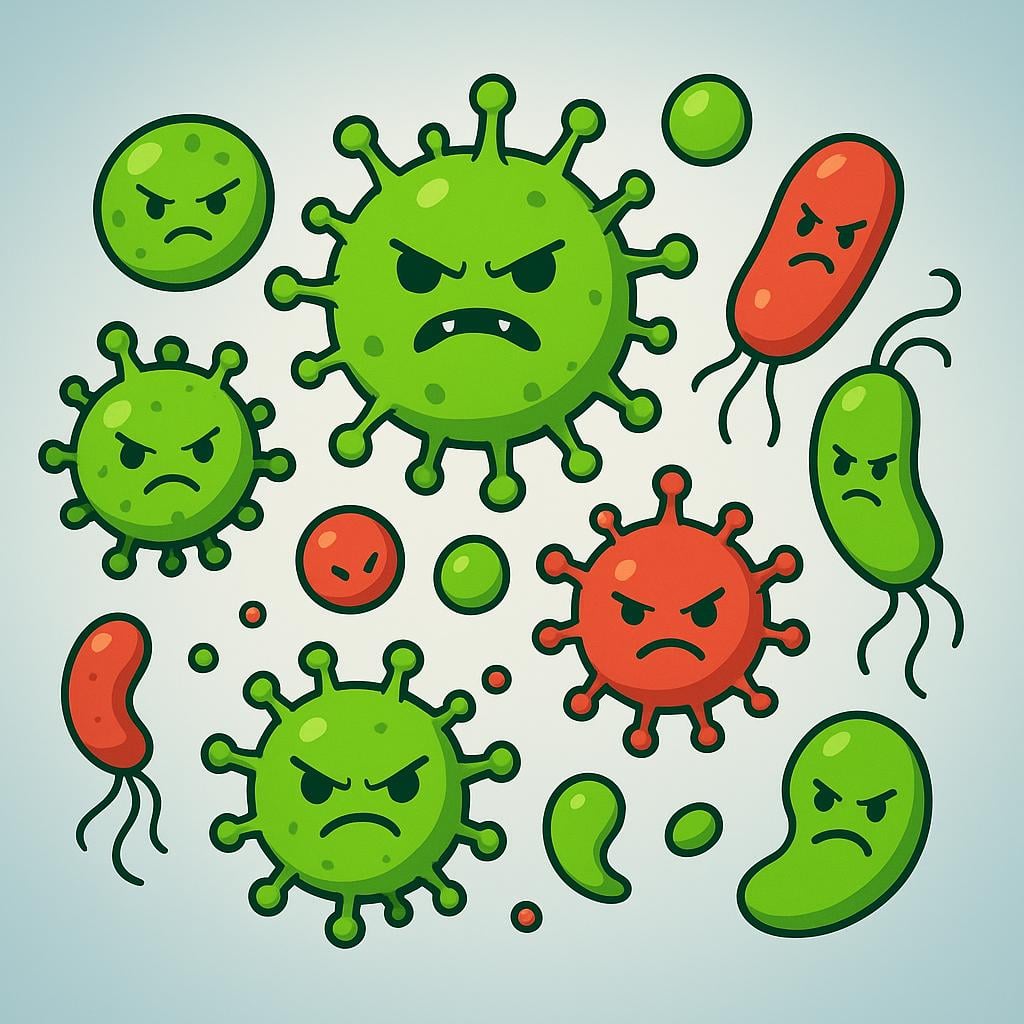
“enfermedades” means “diseases” in Spanish (medical/general term).
diseases, illnessesAlso: sicknesses
📝 In Action
Las enfermedades respiratorias aumentan en invierno.
A2Respiratory illnesses increase in the winter.
La ciencia busca curas para muchas enfermedades que afectan a la humanidad.
B1Science seeks cures for many diseases that affect humanity.
Debemos tomar medidas preventivas para reducir la propagación de enfermedades infecciosas.
B2We must take preventive measures to reduce the spread of infectious diseases.
Word Connections
Translate to Spanish
Words that translate to "enfermedades" in Spanish:
✏️ Quick Practice
Quick Quiz: enfermedades
Question 1 of 2
Which sentence correctly uses the word 'enfermedades'?
📚 More Resources
👥 Word Family
🎵 Rhymes
📚 Etymology
The word comes from the Latin term *infirmitas*, which meant 'weakness' or 'frailty.' This Latin root is based on *firmus* (strong), so *infirmitas* literally meant 'not strong'—a clear way to describe being sick.
First recorded: Medieval Spanish (around the 13th century)
Cognates (Related words)
💡 Master Spanish
Take your Spanish to the next level. Read 200+ illustrated and narrated Spanish stories tailored to your level with the Inklingo app!
Frequently Asked Questions
Why is 'enfermedades' feminine if it doesn't refer to a female person?
Nouns in Spanish have a set gender regardless of what they describe. The singular form, 'enfermedad,' ends in -dad, which is one of the most reliable clues that a noun is feminine (like 'libertad' or 'ciudad').
What is the difference between 'enfermedad' and 'mal'?
Both refer to sickness. 'Enfermedad' is the standard, clinical term (disease/illness). 'Mal' is often used for something more general, like an ache, a psychological issue, or a vague affliction ('un malestar' is a general discomfort).