entran
“entran” means “they enter” in Spanish. It has 2 different meanings depending on context:


they enter, you (plural) enter
Also: they come in, they go in
📝 In Action
Los niños entran a la casa después de jugar.
A1The children enter the house after playing.
Ustedes entran tarde a la reunión, ¿qué pasó?
A2You (plural) are entering the meeting late, what happened?
Las llaves entran perfectamente en la cerradura.
A2The keys go into the lock perfectly.
they fit, they are included
Also: they are contained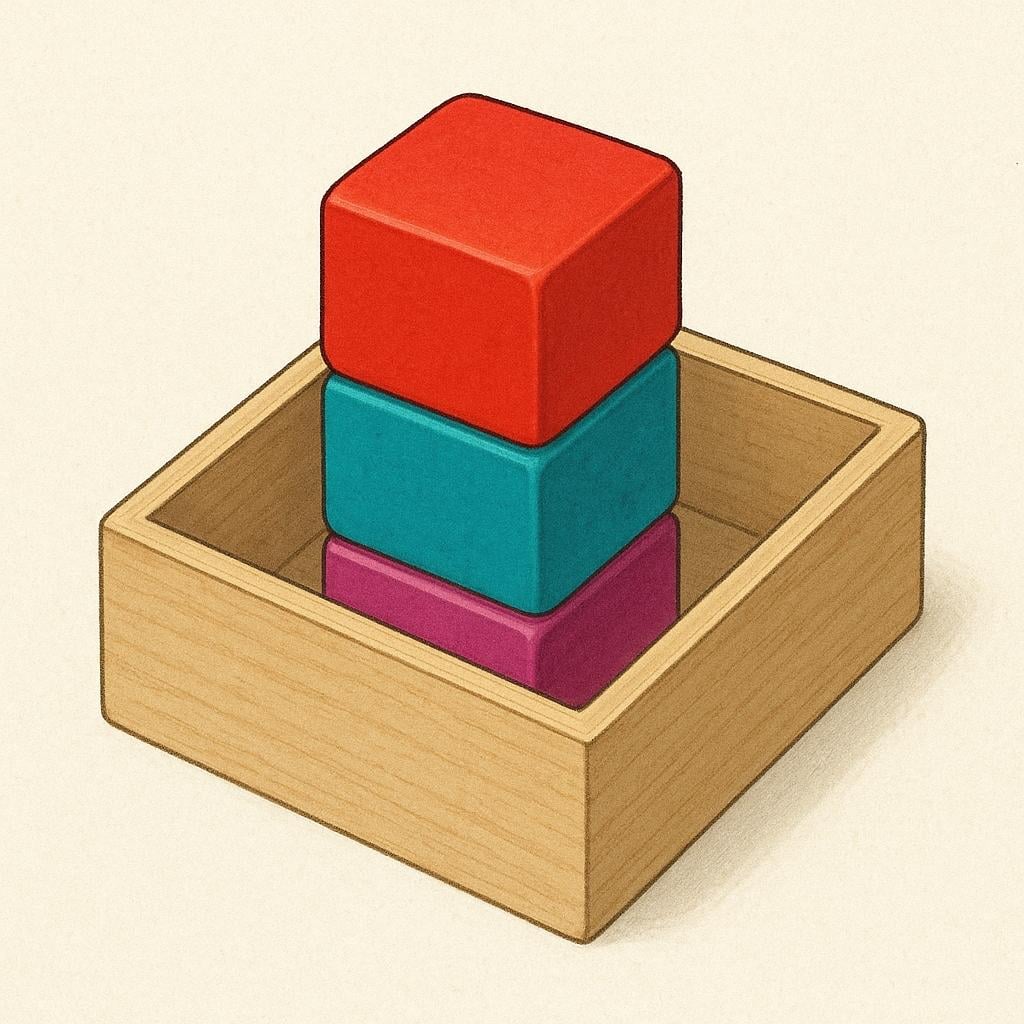
📝 In Action
Las botellas grandes no entran en ese estante.
B1The large bottles don't fit on that shelf.
¿Cuántos invitados entran en el salón?
B1How many guests fit in the hall?
Esas ideas no entran en mi definición de arte.
B2Those ideas are not included in my definition of art.
Indicative
Present
Imperfect
Preterite
Subjunctive
Present Subjunctive
Imperfect Subjunctive
Translate to Spanish
✏️ Quick Practice
Quick Quiz: entran
Question 1 of 2
Which sentence correctly uses 'entran' to mean 'they fit'?
📚 More Resources
👥 Word Family▼
🎵 Rhymes▼
📚 Etymology▼
The Spanish verb 'entrar' comes directly from the Latin verb *intrāre*, which meant 'to go into' or 'to walk inside.' The meaning has remained very consistent over thousands of years.
First recorded: Early Romance languages (around 10th century)
Cognates (Related words)
💡 Master Spanish
Take your Spanish to the next level. Read 200+ illustrated and narrated Spanish stories tailored to your level with the Inklingo app!
Frequently Asked Questions
What is the difference between 'entran' and 'entra'?
'Entra' is the singular form (he/she/it enters, or you (formal singular) enter). 'Entran' is the plural form (they enter, or you (plural) enter). Always check if your subject is one person/thing or multiple people/things.
Is 'entran' used more for people or objects?
It is used equally for both! People 'entran' a building, and objects 'entran' into a box (meaning they fit).