escriba
“escriba” means “scribe” in Spanish. It has 2 different meanings depending on context:
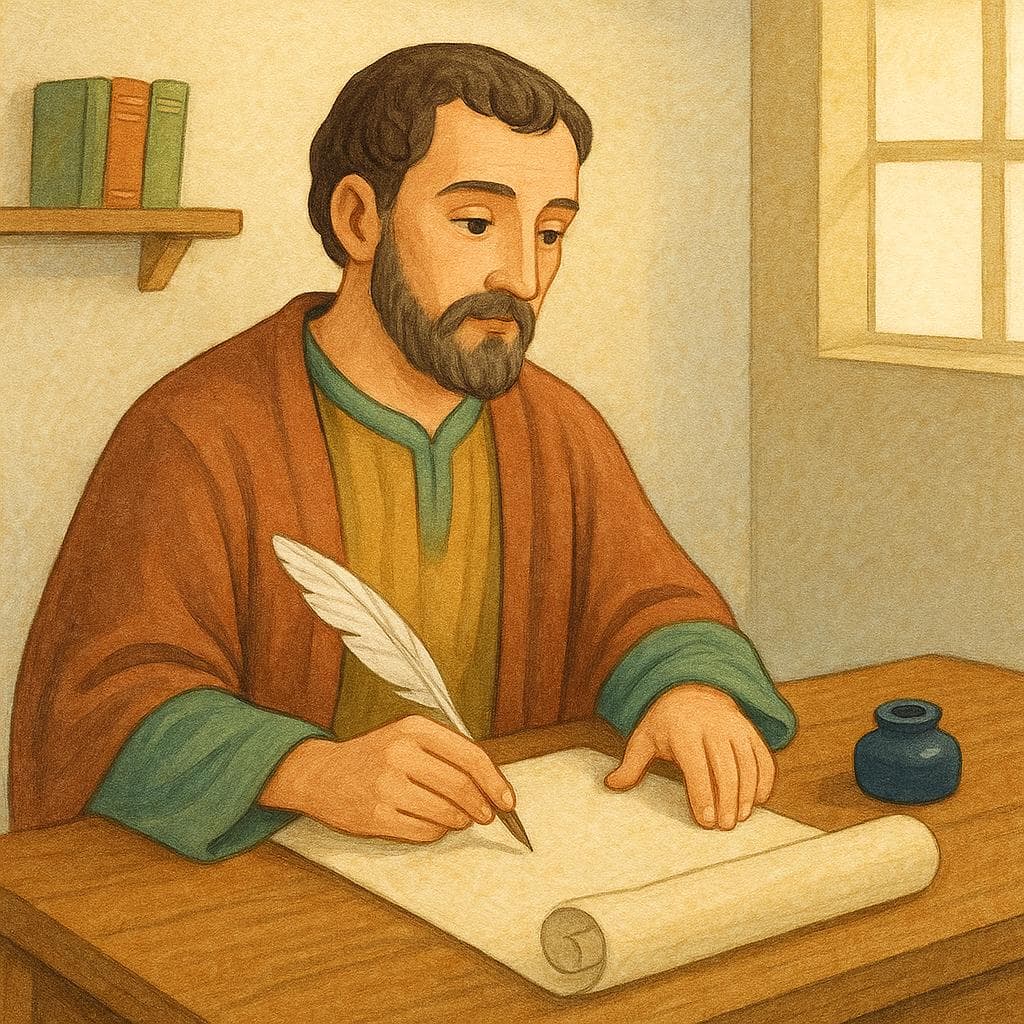
scribe
Also: clerk, copyist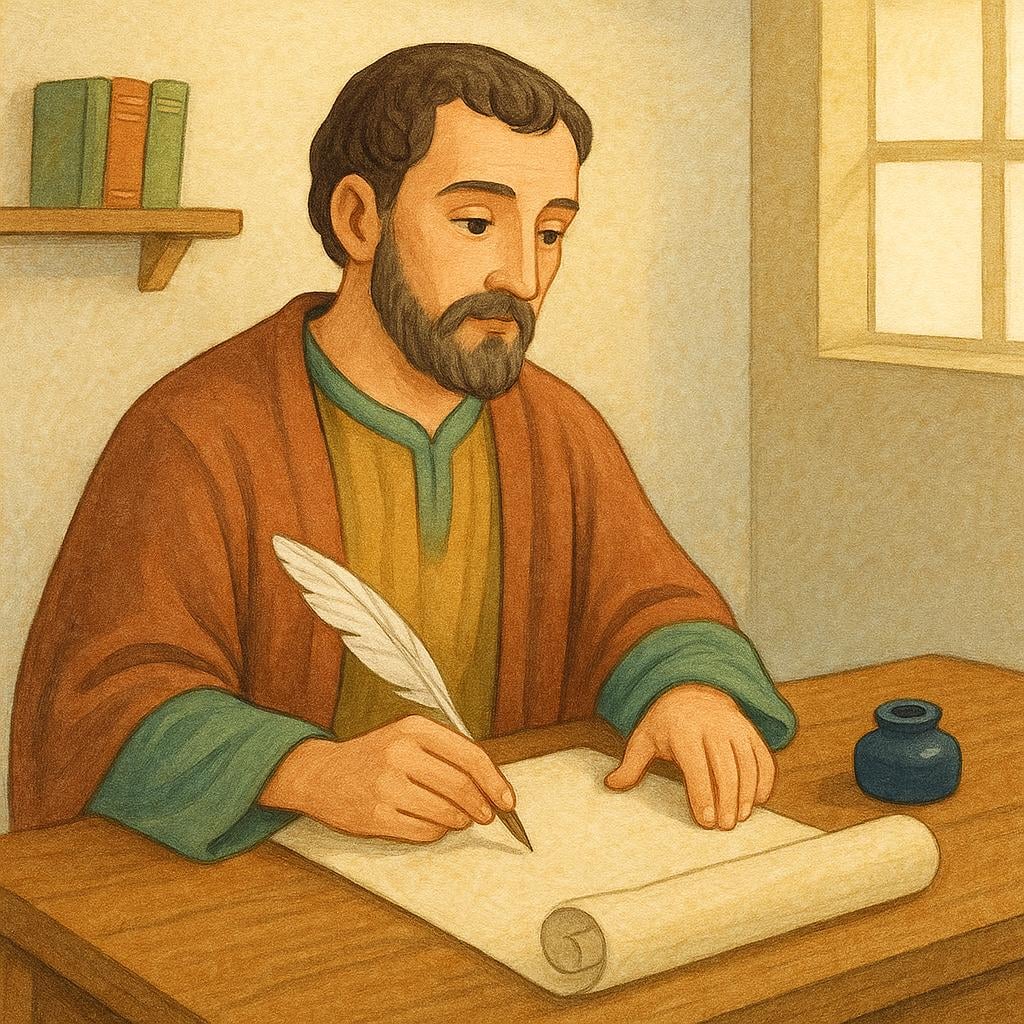
📝 In Action
Antes de la imprenta, el escriba era esencial para preservar los textos.
B2Before the printing press, the scribe was essential for preserving texts.
El escriba real registraba todas las decisiones del rey.
C1The royal scribe recorded all the king's decisions.
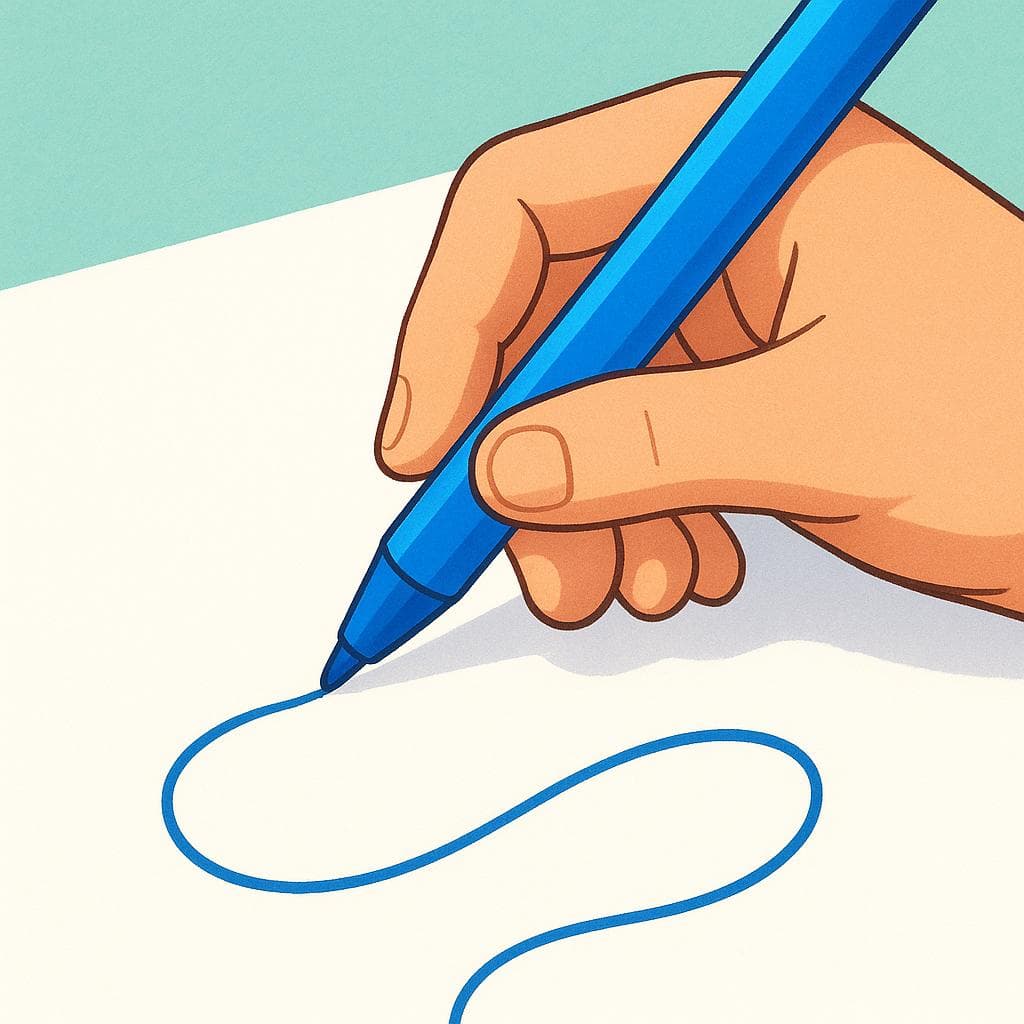
I write (subjunctive), that he/she/you (formal) write
Also: write! (formal command)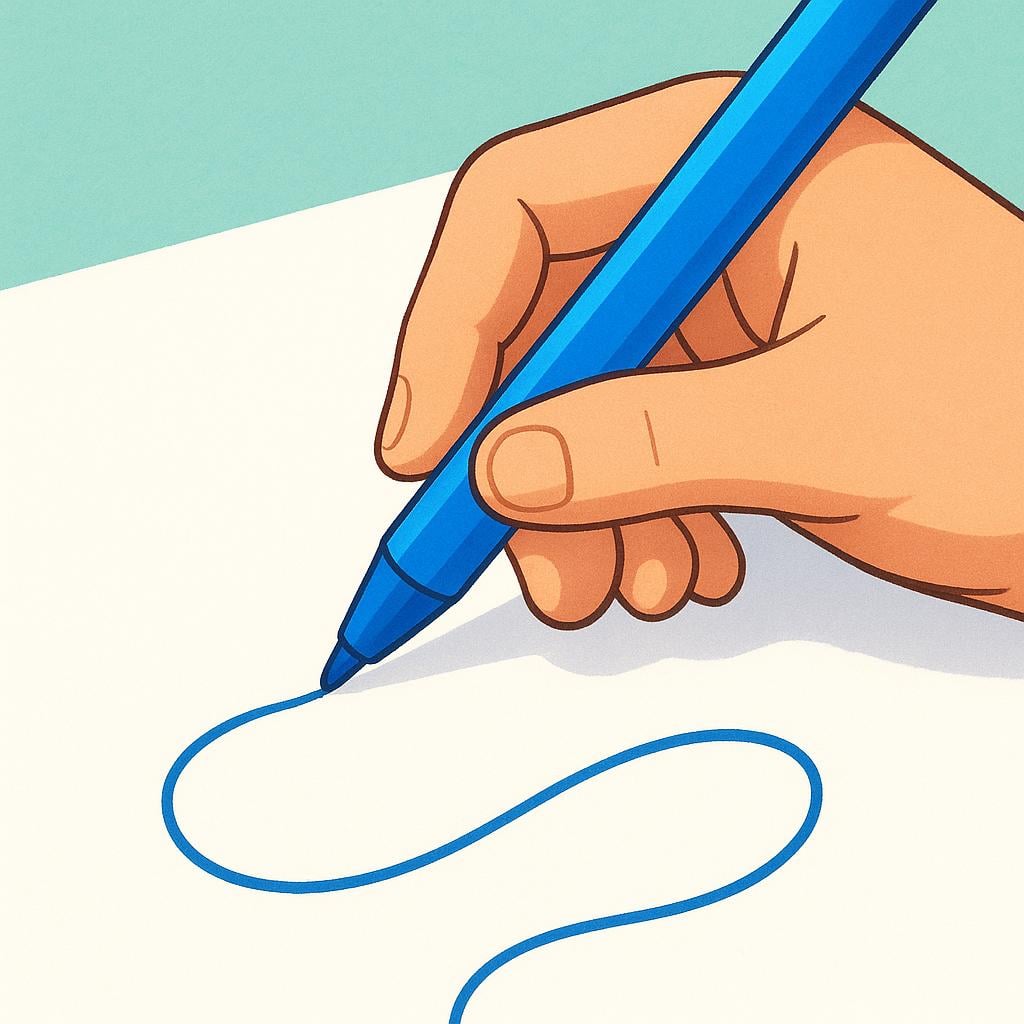
📝 In Action
Espero que ella escriba un libro pronto.
B1I hope that she writes a book soon.
¡Escriba su nombre aquí, por favor!
A2Write your name here, please! (Formal command)
No creo que yo escriba el informe hoy.
B1I don't think that I will write the report today.
Subjunctive
Imperfect Subjunctive
Present Subjunctive
Indicative
Preterite
Imperfect
Present
✏️ Quick Practice
Quick Quiz: escriba
Question 1 of 2
Which sentence uses 'escriba' as a formal command?
📚 More Resources
👥 Word Family▼
📚 Etymology▼
Comes directly from the Latin word *scriba*, which meant 'public clerk' or 'writer.' It shares its root with the Spanish verb *escribir* (to write).
First recorded: 13th century
Cognates (Related words)
💡 Master Spanish
Take your Spanish to the next level. Read 200+ illustrated and narrated Spanish stories tailored to your level with the Inklingo app!
Frequently Asked Questions
How can I tell if 'escriba' is the noun or the verb form?
If it is preceded by an article (like 'el' or 'la'), it is the noun (the scribe). If it follows a verb that expresses doubt or desire (like 'espero que'), or if it's used as a polite command, it is the verb form of 'escribir'.