esperábamos
“esperábamos” means “we were waiting” in Spanish (Continuous action in the past).
we were waiting, we used to wait, we were hoping
Also: we expected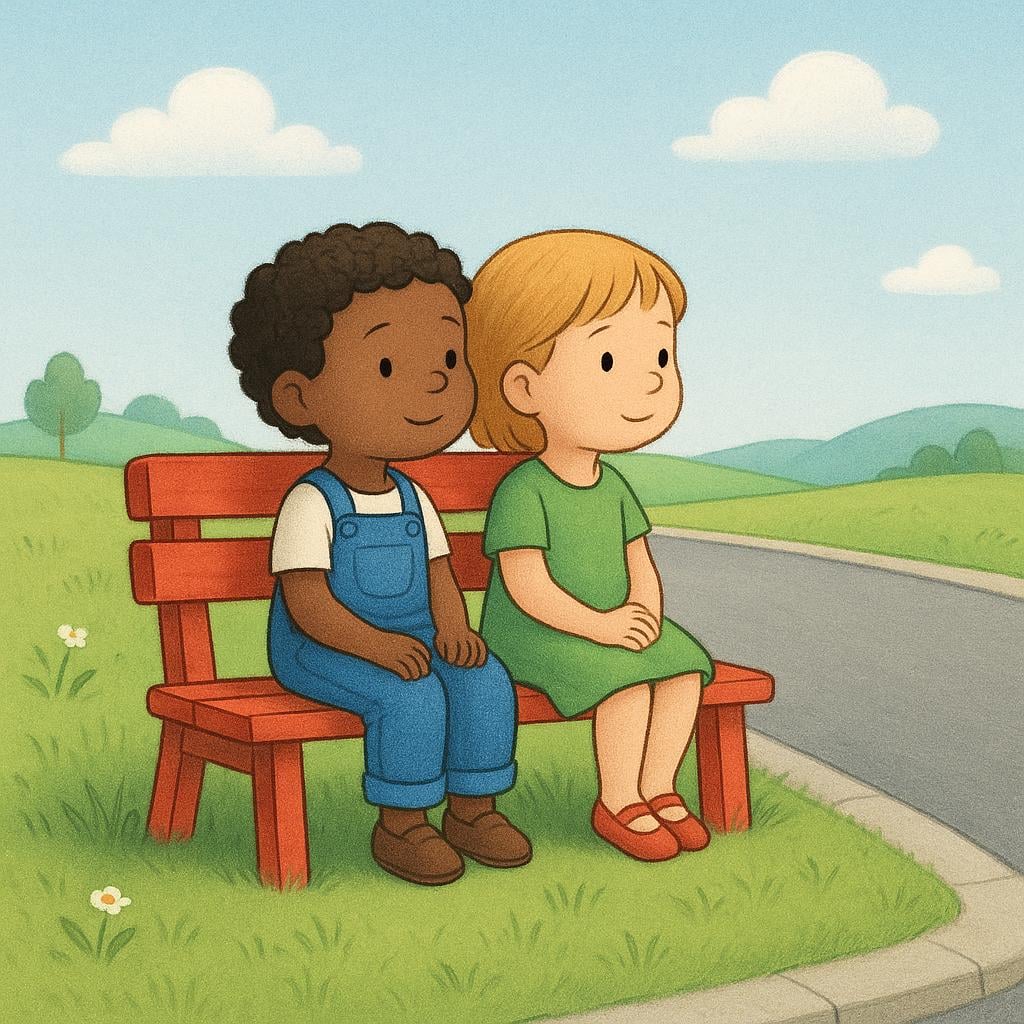
📝 In Action
Esperábamos el autobús cuando empezó a llover.
A2We were waiting for the bus when it started to rain.
Siempre esperábamos las vacaciones de verano con mucha ilusión.
B1We always used to look forward to summer vacation with great excitement.
Esperábamos que la película fuera mejor.
B2We were hoping the movie would be better.
🔄 Conjugations
indicative
present
imperfect
preterite
subjunctive
present
imperfect
Translate to Spanish
Words that translate to "esperábamos" in Spanish:
we expected→✏️ Quick Practice
Quick Quiz: esperábamos
Question 1 of 1
Which sentence correctly uses 'esperábamos' to describe a repeated action in the past?
📚 More Resources
👥 Word Family▼
🎵 Rhymes▼
📚 Etymology▼
The verb 'esperar' comes from the Latin verb *sperare*, meaning 'to hope' or 'to look forward to.' Over time, it took on the meaning of 'to wait' as well, linking the idea of hoping for something to the act of waiting for it to arrive. The '-ábamos' ending is the classic Latin ending for the first-person plural imperfect tense.
First recorded: Old Spanish (around the 13th century)
Cognates (Related words)
💡 Master Spanish
Take your Spanish to the next level. Read 200+ illustrated and narrated Spanish stories tailored to your level with the Inklingo app!
Frequently Asked Questions
Is 'esperábamos' the same as 'we waited'?
Not exactly. While it translates to 'we waited,' it implies that the waiting was ongoing or habitual. If you mean 'we waited and then the action finished' (a single completed action), you should use the preterite form: 'esperamos'.
Does 'esperábamos' mean 'we were hoping' or 'we were waiting'?
It can mean both! The context determines which meaning is intended. If it's followed by 'que' (e.g., 'Esperábamos que vinieras'), it usually means 'we were hoping.' If it's followed by a direct object (e.g., 'el médico'), it means 'we were waiting.'