explicación
“explicación” means “explanation” in Spanish (The act of making something clear).
explanation
Also: clarification, account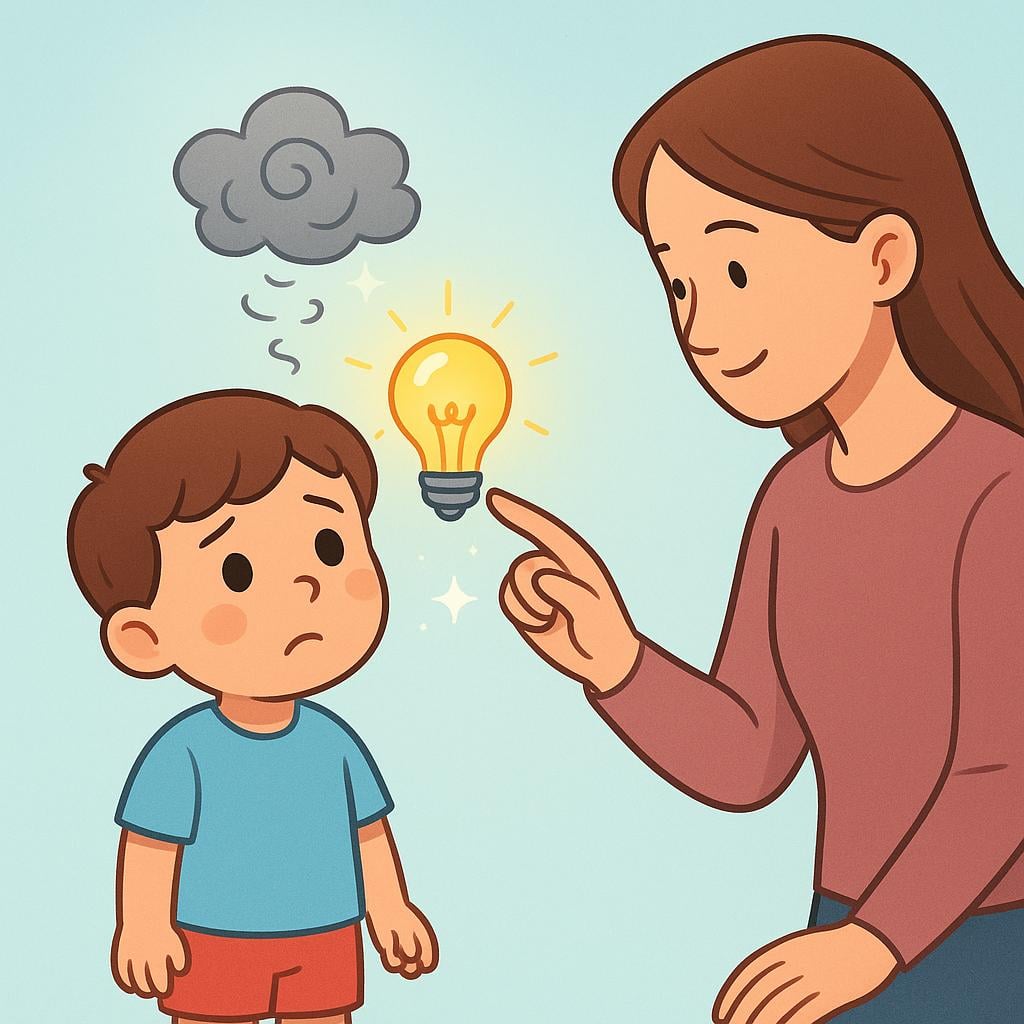
📝 In Action
¿Puedes darme una explicación rápida?
A1Can you give me a quick explanation?
Necesito una explicación detallada de por qué el sistema falló.
B1I need a detailed explanation of why the system failed.
La explicación del profesor sobre la gravedad fue muy concisa y fácil de seguir.
B2The professor's explanation of gravity was very concise and easy to follow.
Translate to Spanish
Words that translate to "explicación" in Spanish:
clarification→✏️ Quick Practice
Quick Quiz: explicación
Question 1 of 1
Which sentence correctly uses the Spanish word for 'explanation'?
📚 More Resources
👥 Word Family▼
🎵 Rhymes▼
📚 Etymology▼
Comes from the Latin verb *explicare*, which originally meant 'to unroll' or 'to unfold' (like unfolding a scroll). Over time, this concept of 'unfolding' became synonymous with 'unfolding knowledge' or 'making something clear'.
First recorded: 15th century (in its modern Spanish form)
Cognates (Related words)
💡 Master Spanish
Take your Spanish to the next level. Read 200+ illustrated and narrated Spanish stories tailored to your level with the Inklingo app!
Frequently Asked Questions
How do I politely ask someone for an explanation?
The most common and polite phrase is '¿Me puedes dar una explicación?' (Can you give me an explanation?) or the slightly more formal '¿Podría explicarme esto?' (Could you explain this to me?).
What is the difference between 'explicación' and 'aclaración'?
They are very similar synonyms. 'Explicación' is the general term for making something understood. 'Aclaración' is specifically used when you need to resolve confusion or clear up a misunderstanding.