facial
“facial” means “facial” in Spanish. It has 2 different meanings depending on context:


facialAlso: face-related

📝 In Action
Ella tiene una expresión facial muy alegre.
A2She has a very cheerful facial expression.
Necesito una crema facial para el sol.
A2I need a face cream for the sun.
Word Connections
facialAlso: facial treatment
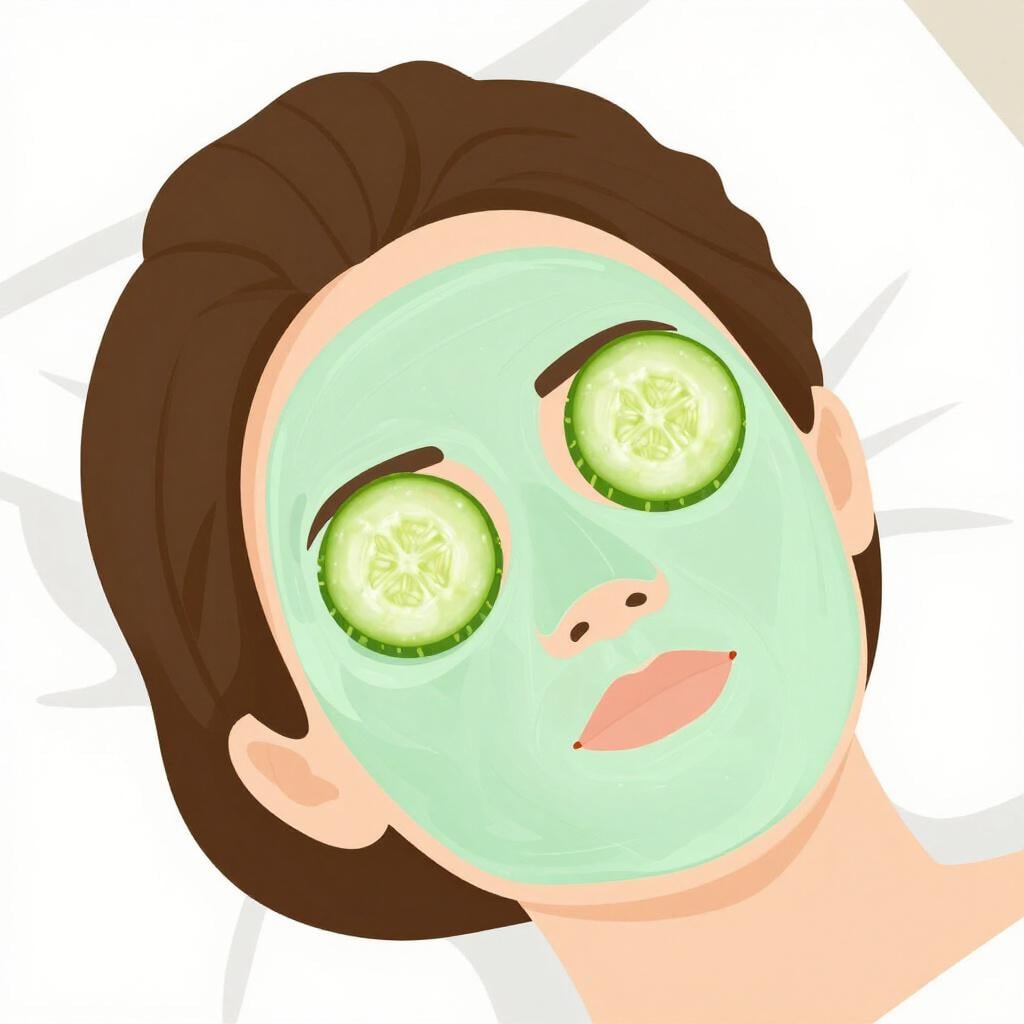
📝 In Action
Me hice un facial en el spa el sábado.
B1I got a facial at the spa on Saturday.
El facial incluye una máscara de arcilla.
B1The facial includes a clay mask.
Word Connections
Translate to Spanish
Words that translate to "facial" in Spanish:
✏️ Quick Practice
Quick Quiz: facial
Question 1 of 2
Which of these phrases means 'facial expression'?
📚 More Resources
👥 Word Family
📚 Etymology
From the Latin word 'facialis,' which comes from 'facies,' meaning face or appearance.
First recorded: 17th century
Cognates (Related words)
💡 Master Spanish
Take your Spanish to the next level. Read 200+ illustrated and narrated Spanish stories tailored to your level with the Inklingo app!
Frequently Asked Questions
Does 'facial' change if the noun is feminine?
No. Adjectives that end in -al in Spanish are the same for both masculine and feminine nouns. For example: 'el nervio facial' and 'la crema facial'.
Is 'facial' the same as 'fácil'?
No. 'Fácil' means 'easy.' They look similar, but 'facial' has an extra 'i' and refers to the face.