fantástica
“fantástica” means “fantastic” in Spanish. It has 2 different meanings depending on context:
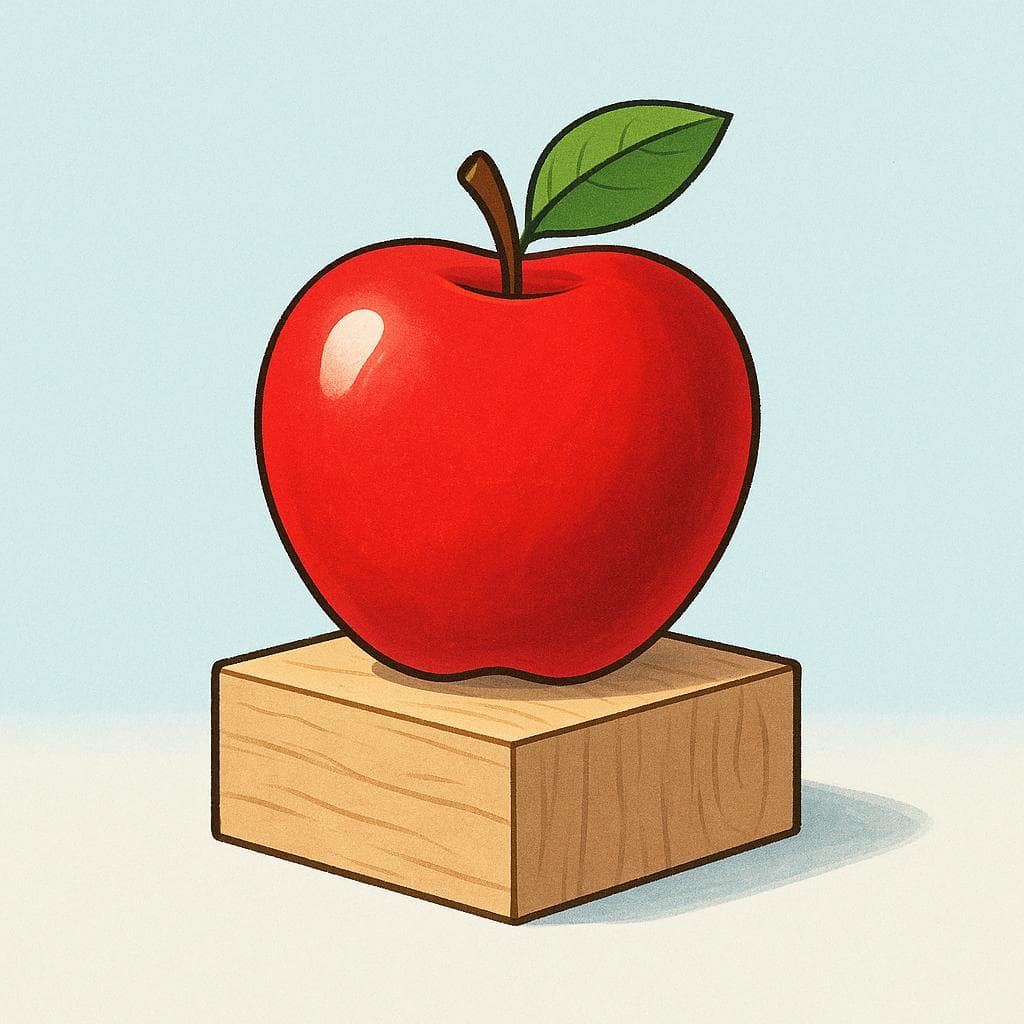
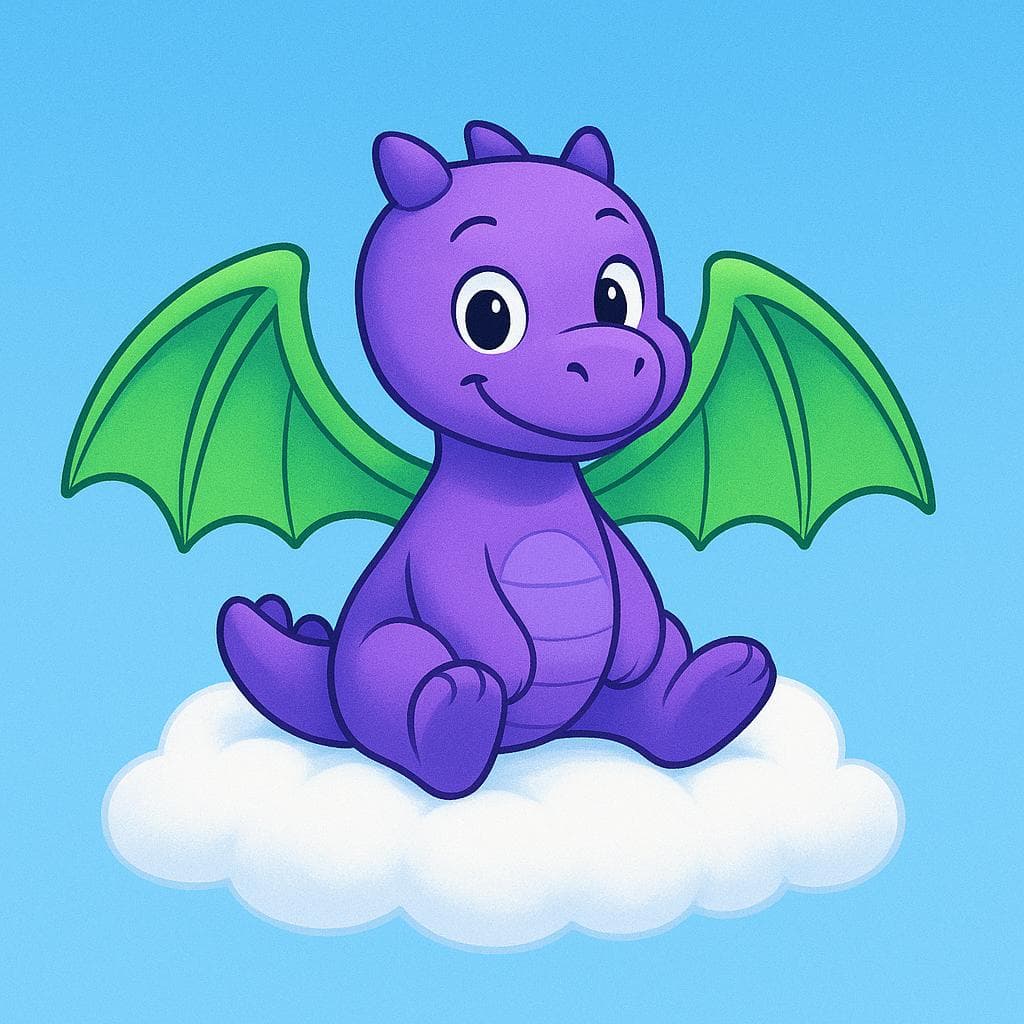
fantastic, wonderful
Also: great, amazing
📝 In Action
La película fue fantástica; me encantó el final.
A1The movie was fantastic; I loved the ending.
Tienes una voz fantástica para cantar.
A2You have a fantastic voice for singing.
¡Qué idea tan fantástica! Vamos a hacerlo.
A1What a fantastic idea! Let's do it.
fantastic, fictional
Also: unreal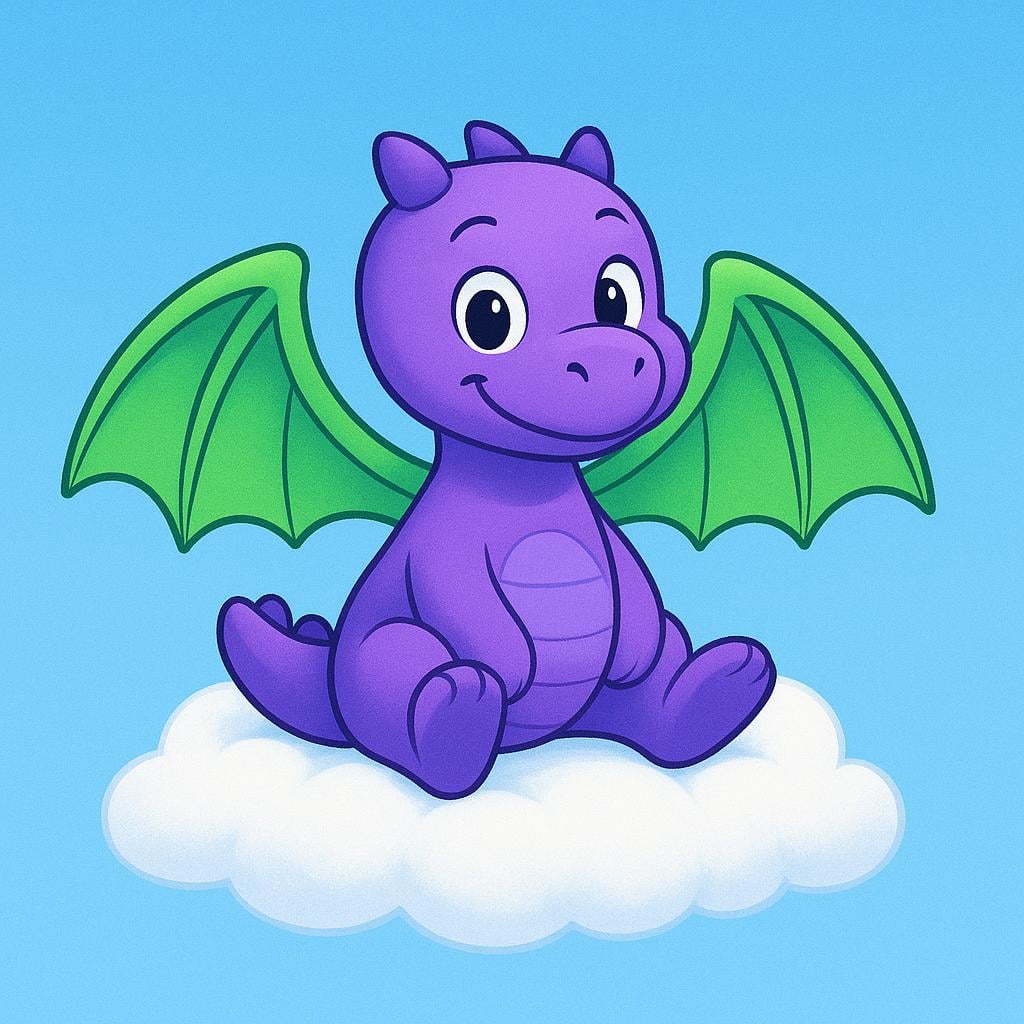
📝 In Action
Ella prefiere la literatura fantástica a la histórica.
B1She prefers fantastic literature (fantasy literature) over historical literature.
La criatura fantástica tenía alas y escamas de colores.
B2The fantastic creature had wings and colored scales.
✏️ Quick Practice
Quick Quiz: fantástica
Question 1 of 1
Which sentence uses 'fantástica' in its literal meaning (related to imagination/fiction)?
📚 More Resources
👥 Word Family▼
🎵 Rhymes▼
📚 Etymology▼
Comes from the Latin word *fantasticus*, which itself derived from the Greek *phantastikós*, meaning 'able to imagine' or 'imaginary.' The root relates to the idea of 'making visible' or 'showing.'
First recorded: 15th century (in Spanish)
Cognates (Related words)
💡 Master Spanish
Take your Spanish to the next level. Read 200+ illustrated and narrated Spanish stories tailored to your level with the Inklingo app!
Frequently Asked Questions
Why does 'fantástica' have an accent mark?
Spanish words usually put the stress on the next-to-last syllable. Because 'fantástica' needs the stress on the third-to-last syllable (fan-TÁS-ti-ca), it requires an accent mark over the 'a' to show you where to emphasize the word when speaking.
When should I use 'fantástica' instead of 'fantástico'?
You use 'fantástica' when the thing you are describing is feminine (like 'la playa' or 'la cena'). You use 'fantástico' when the thing is masculine (like 'el libro' or 'el coche').