fármaco
“fármaco” means “drug” in Spanish (medical or chemical substance).
drug, medication
Also: pharmaceutical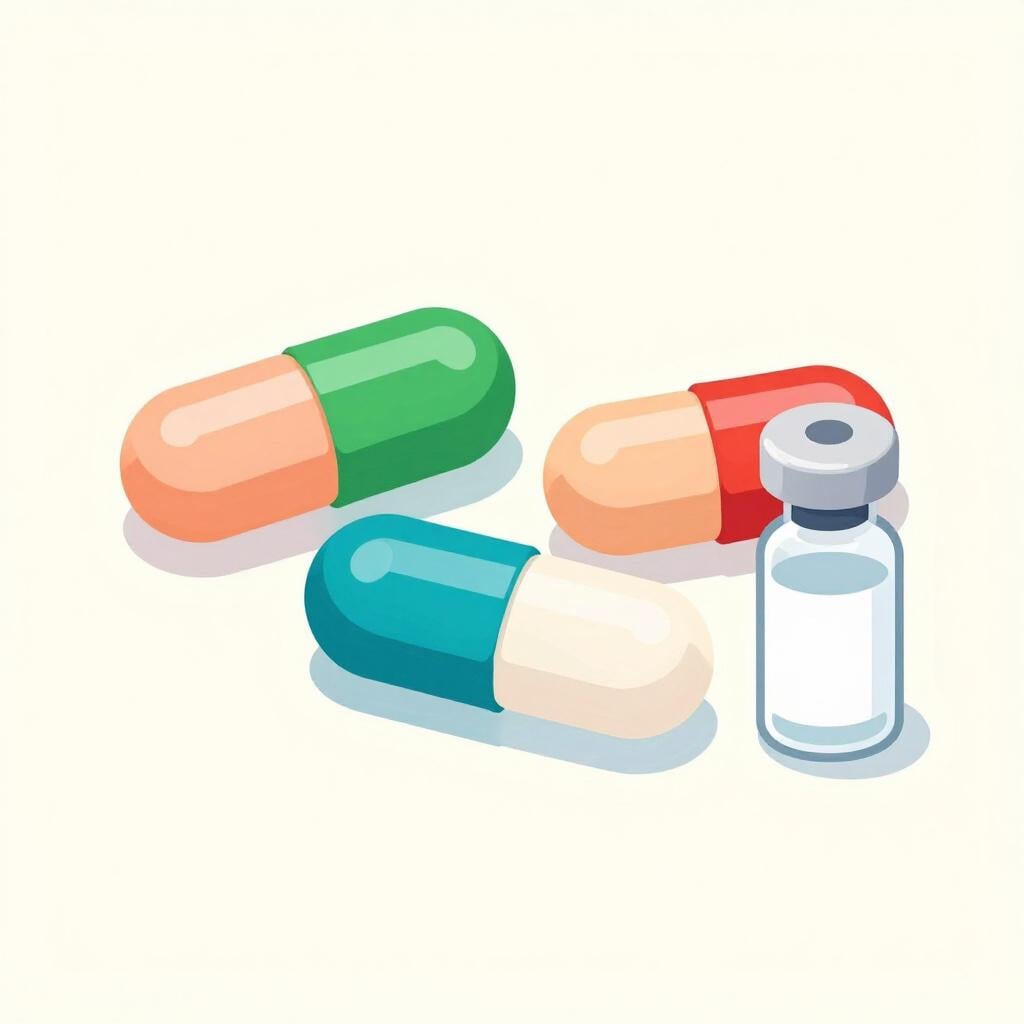
📝 In Action
El doctor está probando un nuevo fármaco para la alergia.
A2The doctor is testing a new drug for allergies.
Este fármaco solo se vende con receta médica.
B1This medication is only sold with a medical prescription.
Los científicos analizan los efectos secundarios del fármaco.
B2Scientists are analyzing the side effects of the pharmaceutical drug.
✏️ Quick Practice
Quick Quiz: fármaco
Question 1 of 3
Which word is most appropriate to use in a scientific laboratory report?
📚 More Resources
👥 Word Family▼
🎵 Rhymes▼
📚 Etymology▼
From the Greek word 'pharmakon,' which interestingly meant both 'remedy' and 'poison.' It passed into Latin and then into Spanish.
First recorded: 18th century (in its modern scientific form)
Cognates (Related words)
💡 Master Spanish
Take your Spanish to the next level. Read 200+ illustrated and narrated Spanish stories tailored to your level with the Inklingo app!
Frequently Asked Questions
Is there a difference between 'fármaco' and 'medicamento'?
Technically, a 'fármaco' is the active chemical substance, while a 'medicamento' is the final product you buy (the pill or syrup). However, in common speech, they are used as synonyms for 'medication'.
Can I use 'fármaco' to talk about a vaccine?
Yes, although 'vacuna' is the specific word, 'fármaco' is often used as a broad term for any pharmaceutical product being developed or administered.
Is 'fármaco' common in Latin America?
Yes, it is used throughout the Spanish-speaking world, primarily in medical contexts, news, and formal writing.