físico
“físico” means “physical” in Spanish. It has 3 different meanings depending on context:
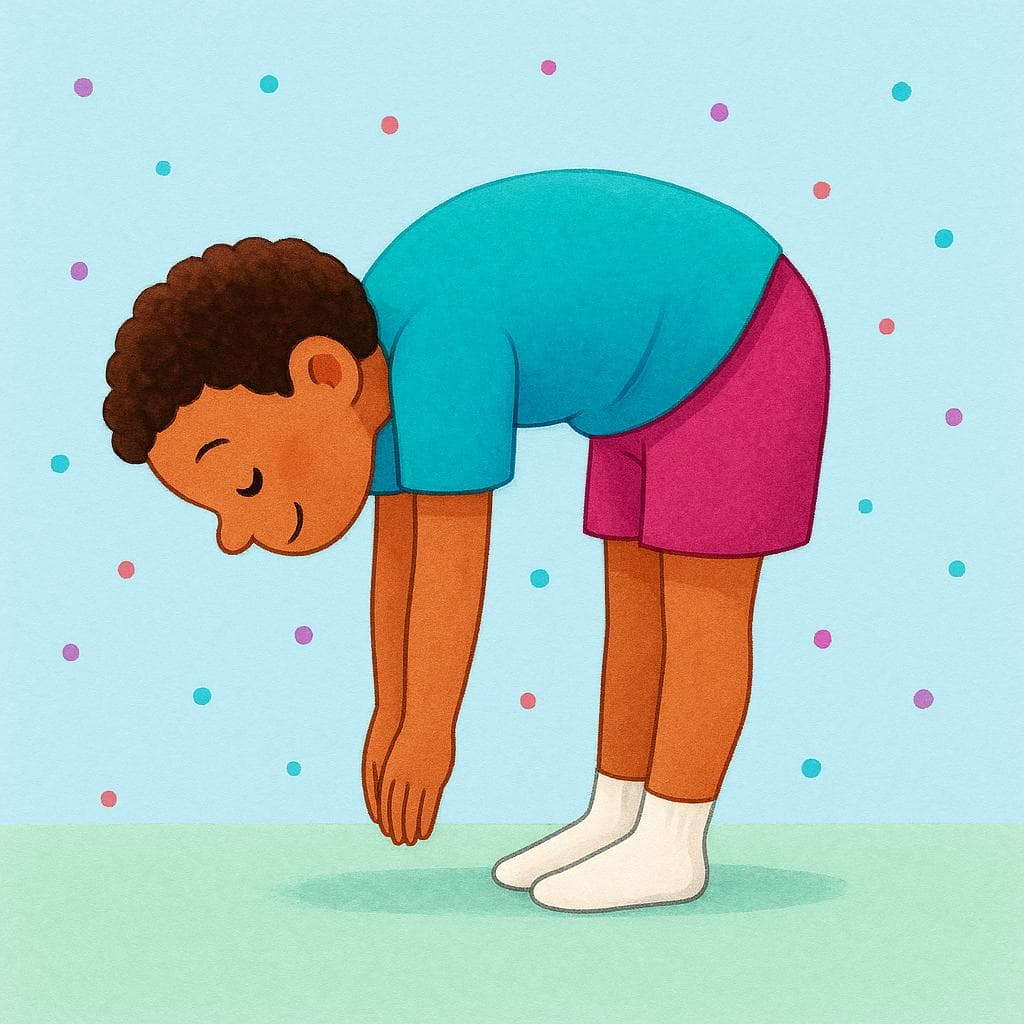


physicalAlso: material, bodily
📝 In Action
El ejercicio físico es importante para la salud.
A1Physical exercise is important for health.
Tuvimos una discusión física por el control remoto.
A2We had a physical argument over the remote control.
La distancia física entre las ciudades es de 50 kilómetros.
B1The physical distance between the cities is 50 kilometers.
Word Connections
physicist

📝 In Action
Mi tío es un físico que trabaja en la universidad.
B1My uncle is a physicist who works at the university.
El físico dio una conferencia sobre la energía atómica.
B2The physicist gave a lecture on atomic energy.
Word Connections
physiqueAlso: body

📝 In Action
Tiene un físico muy fuerte después de ir al gimnasio.
A2He has a very strong physique after going to the gym.
Su físico es ideal para el baloncesto.
B1His build is ideal for basketball.
Word Connections
✏️ Quick Practice
Quick Quiz: físico
Question 1 of 2
Which sentence uses 'físico' as a noun referring to the body?
📚 More Resources
👥 Word Family
🎵 Rhymes
📚 Etymology
The word comes from the Latin 'physicus,' meaning 'natural' or 'relating to nature.' This, in turn, traces back to the ancient Greek word 'physikós,' which referred to everything concerning the natural world.
First recorded: 14th century
Cognates (Related words)
💡 Master Spanish
Take your Spanish to the next level. Read 200+ illustrated and narrated Spanish stories tailored to your level with the Inklingo app!
Frequently Asked Questions
How do I know if 'físico' means 'physicist' or 'physique'?
If you see a person's name or a job title mentioned before 'físico' (e.g., 'El famoso físico'), it means 'physicist.' If it's used with words like 'buen' (good), 'atlético' (athletic), or 'cuidar' (to take care of), it means 'physique' or 'body build.'
Is 'físico' interchangeable with 'corporal'?
They are close, but 'corporal' almost always relates only to the human body (bodily injury, corporal punishment). 'Físico' is broader; it can relate to the body, exercise, or the laws of nature and matter.