gano
“gano” means “I win” in Spanish. It has 3 different meanings depending on context:

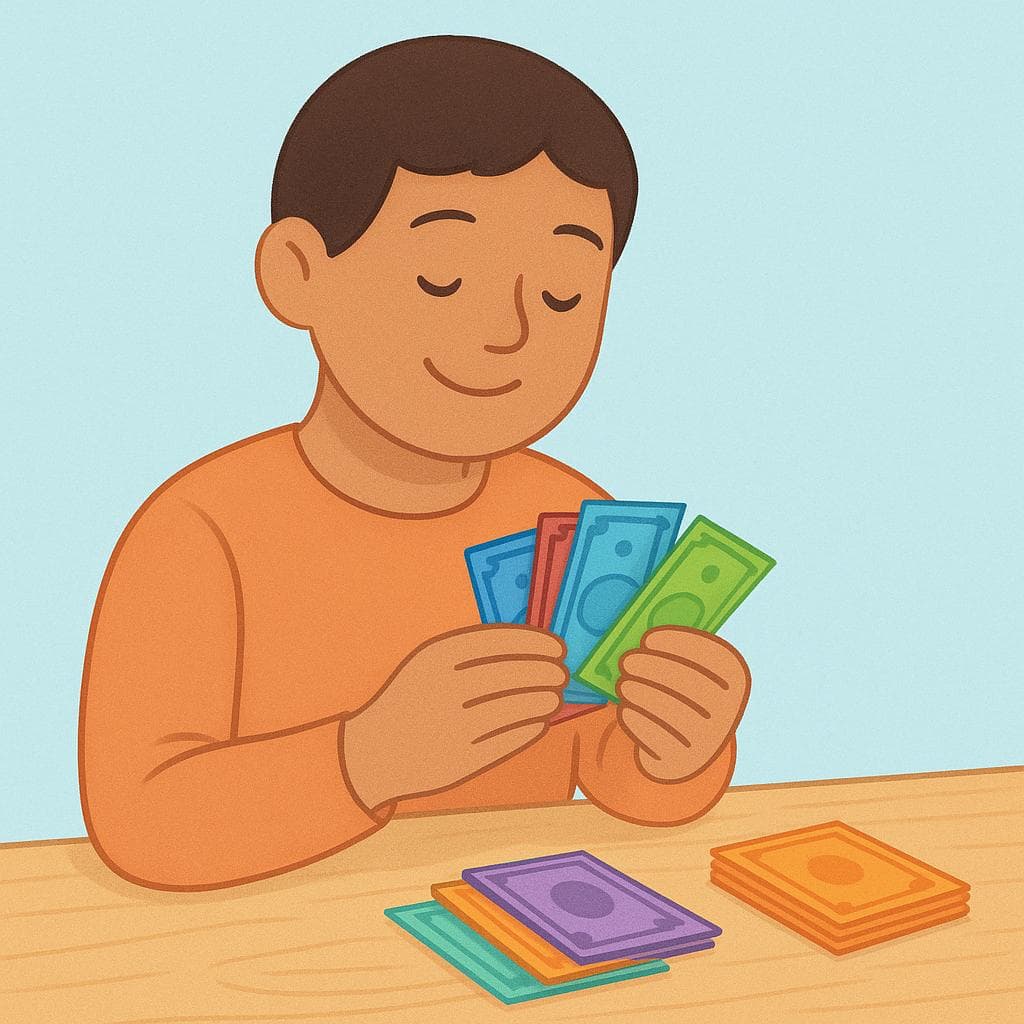

I win
Also: I beat
📝 In Action
Siempre gano cuando juego a las cartas.
A1I always win when I play cards.
Si entreno duro, gano la carrera fácilmente.
A2If I train hard, I win the race easily.
I earn
Also: I make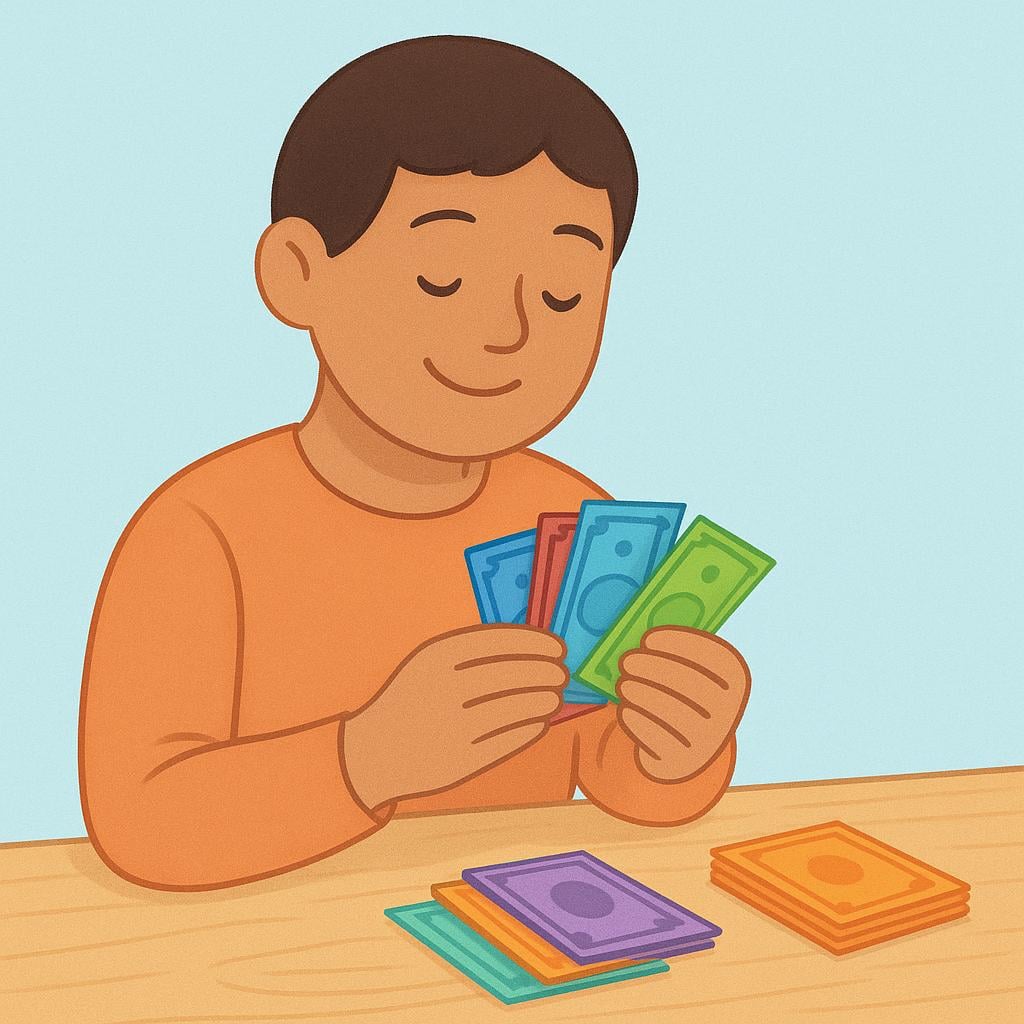
📝 In Action
¿Cuánto gano si trabajo horas extras?
A2How much do I earn if I work overtime?
Gano un buen sueldo en mi nuevo trabajo.
B1I earn a good salary in my new job.
I gain
Also: I acquire
📝 In Action
Cuando dejo de hacer ejercicio, gano peso fácilmente.
B1When I stop exercising, I gain weight easily.
Con cada proyecto, gano más experiencia profesional.
B2With every project, I gain more professional experience.
Indicative
Present
Imperfect
Preterite
Subjunctive
Present Subjunctive
Imperfect Subjunctive
Translate to Spanish
✏️ Quick Practice
Quick Quiz: gano
Question 1 of 1
Which sentence uses 'gano' to mean 'I earn'?
📚 More Resources
📚 Etymology▼
The verb 'ganar' comes from the ancient Germanic/Gothic word *ganon*, which meant 'to desire' or 'to covet.' Over time, it evolved in Spanish to mean 'to acquire what is desired,' leading to the modern meanings of 'to win' and 'to earn.'
First recorded: 12th century
Cognates (Related words)
💡 Master Spanish
Take your Spanish to the next level. Read 200+ illustrated and narrated Spanish stories tailored to your level with the Inklingo app!
Frequently Asked Questions
Is 'gano' always used for myself (I)?
Yes. 'Gano' is the special form of the verb 'ganar' that only works with 'yo' (I) in the present tense. It tells you immediately who is doing the action.
Why does 'ganar' mean both 'to win' and 'to earn'?
These two meanings come from the same ancient concept of 'acquiring something desired.' Whether you acquire a prize (winning) or acquire money (earning), the action is similar in Spanish.