pierdo
“pierdo” means “I lose” in Spanish. It has 3 different meanings depending on context:
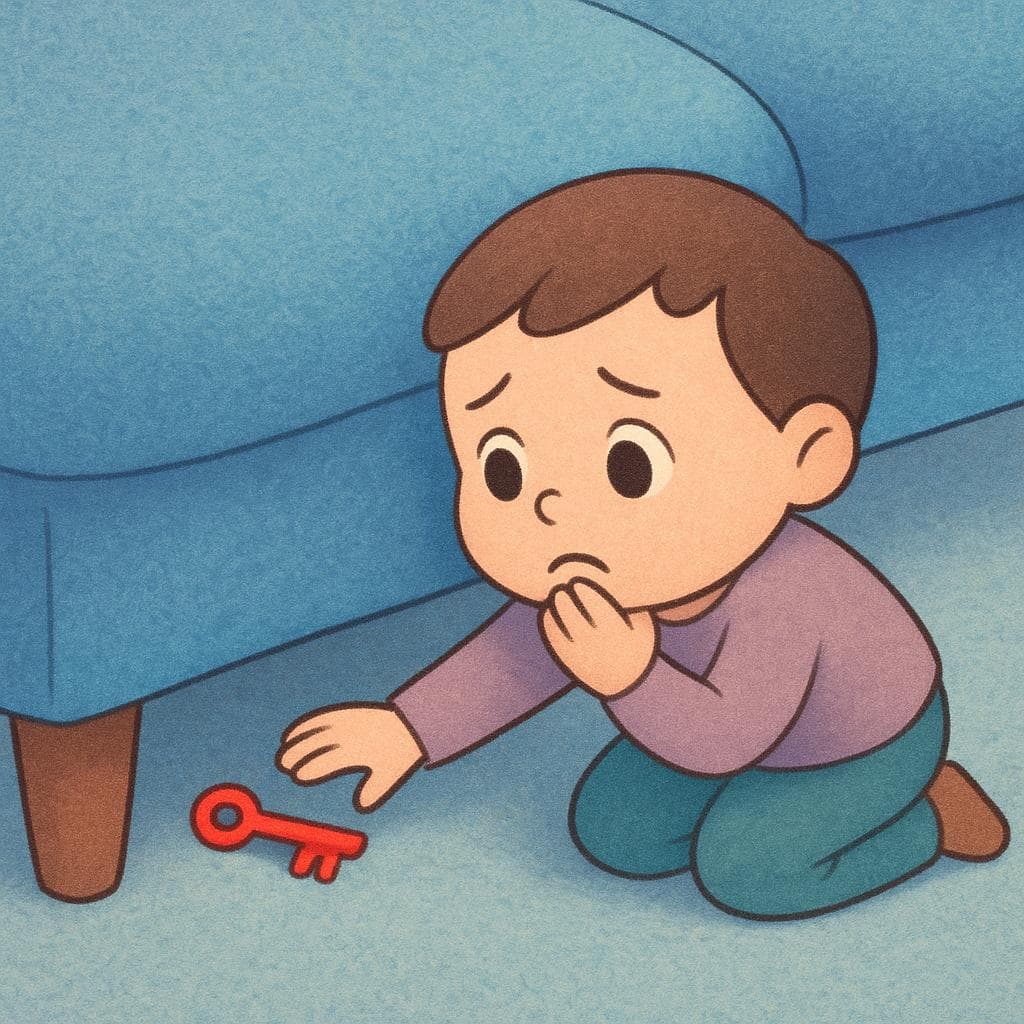


I lose
Also: I am losing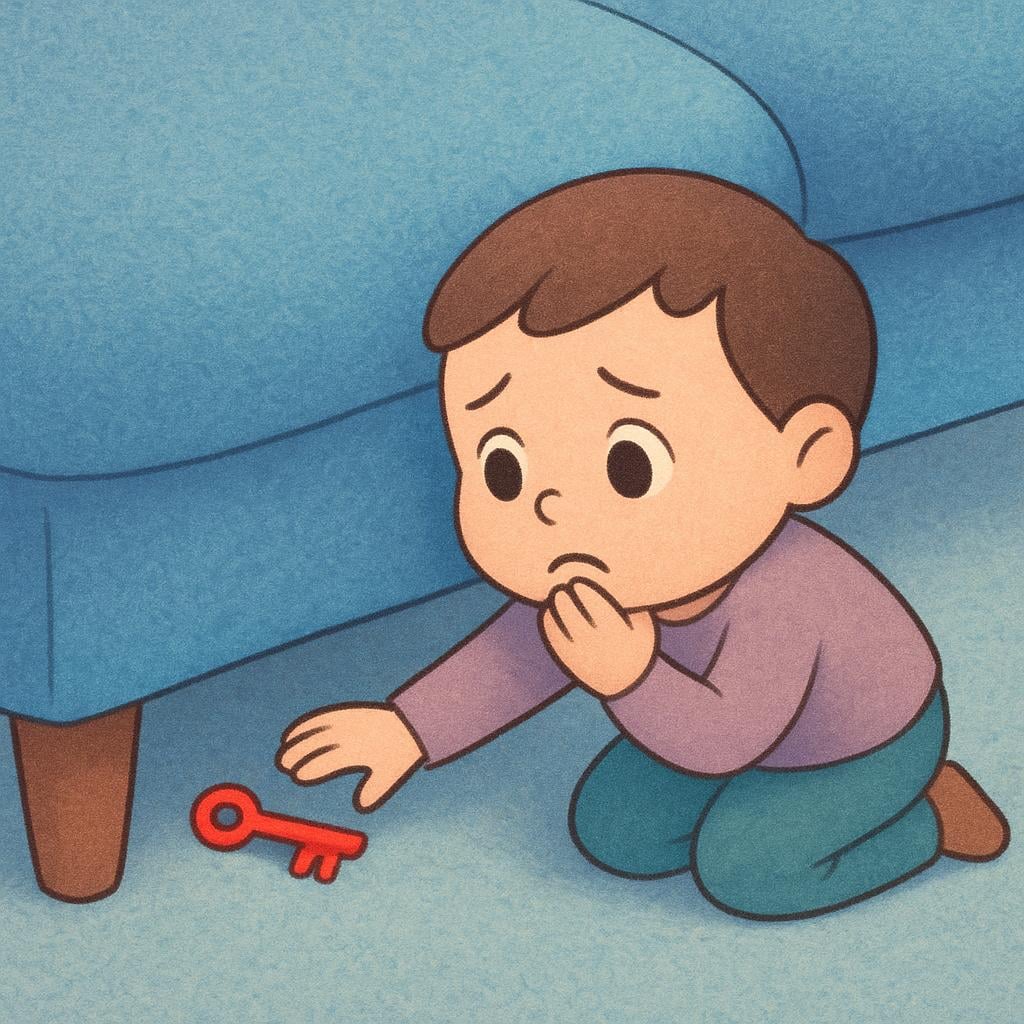
📝 In Action
Siempre pierdo un calcetín cuando lavo la ropa.
A1I always lose a sock when I wash clothes.
Si no estudio, pierdo el examen de mañana.
A2If I don't study, I lose (fail) tomorrow's exam.
No me gusta jugar al ajedrez porque casi siempre pierdo.
A1I don't like playing chess because I almost always lose.
I miss
Also: I fail to catch
📝 In Action
Si salgo tarde de casa, pierdo el autobús.
A2If I leave home late, I miss the bus.
No quiero quedarme a charlar, o pierdo mi vuelo.
B1I don't want to stay chatting, or I'll miss my flight.
I waste
Also: I squander
📝 In Action
Si no hay un plan, pierdo demasiado tiempo pensando.
B1If there is no plan, I waste too much time thinking.
No pierdo dinero en cosas que no necesito.
B1I don't waste money on things I don't need.
Indicative
Present
Imperfect
Preterite
Subjunctive
Present Subjunctive
Imperfect Subjunctive
Translate to Spanish
✏️ Quick Practice
Quick Quiz: pierdo
Question 1 of 2
Which sentence correctly uses 'pierdo' to mean 'I miss' (transportation)?
📚 More Resources
👥 Word Family▼
🎵 Rhymes▼
📚 Etymology▼
The verb 'perder' comes from the Latin word *perdere*, which had the same meaning: to destroy, spoil, or lose. The change from 'e' to 'ie' in the Spanish present tense is a natural sound shift that happened as the language evolved.
First recorded: 10th century
Cognates (Related words)
💡 Master Spanish
Take your Spanish to the next level. Read 200+ illustrated and narrated Spanish stories tailored to your level with the Inklingo app!
Frequently Asked Questions
If 'pierdo' means 'I lose,' how do I say 'I got lost'?
You use the reflexive form of the verb, 'perderse.' The conjugation would be 'Me pierdo' (I get lost) or 'Me perdí' (I got lost, past tense).
Is 'pierdo' always about physical loss?
No. While it often means losing an object or a game, it is frequently used figuratively, like 'perder la calma' (to lose calm) or 'perder el hilo' (to lose the thread/topic).