gimnasio
“gimnasio” means “gym” in Spanish. It has 2 different meanings depending on context:
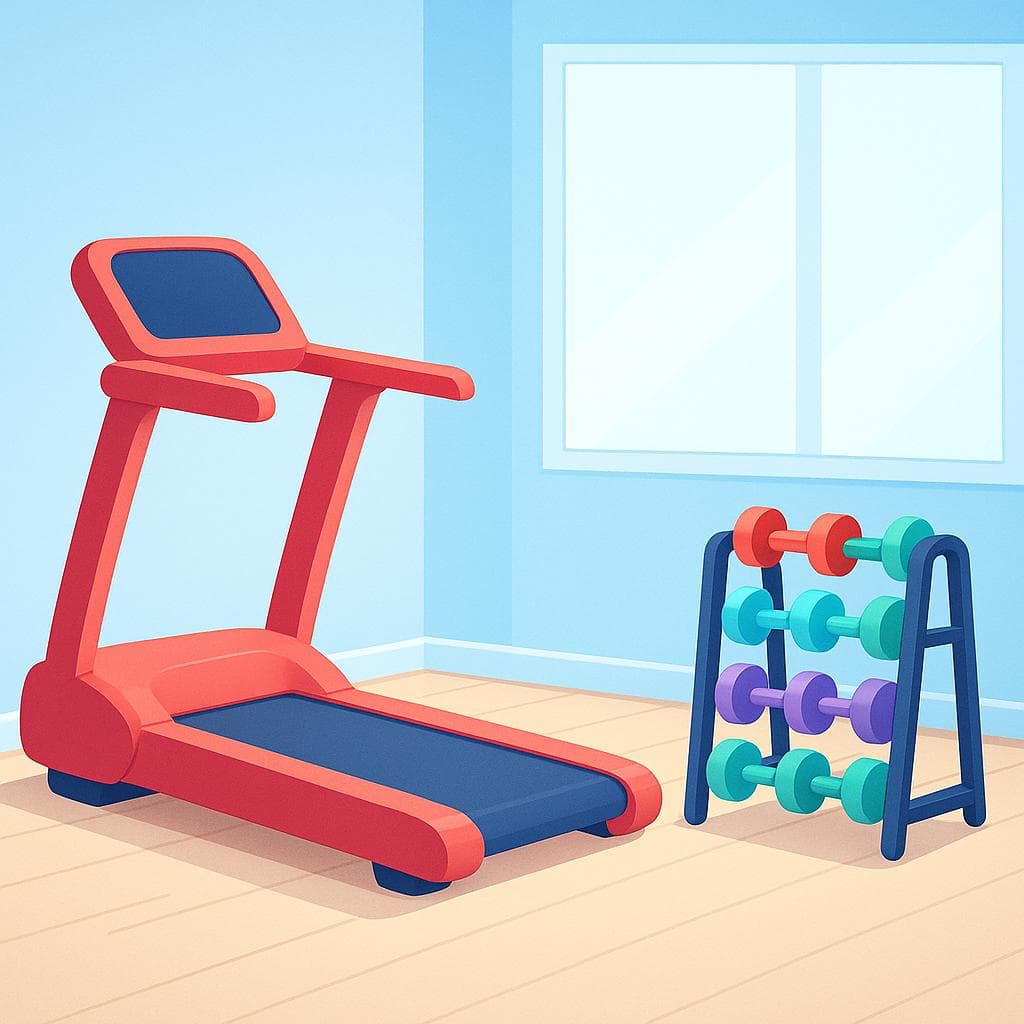
gym
Also: health club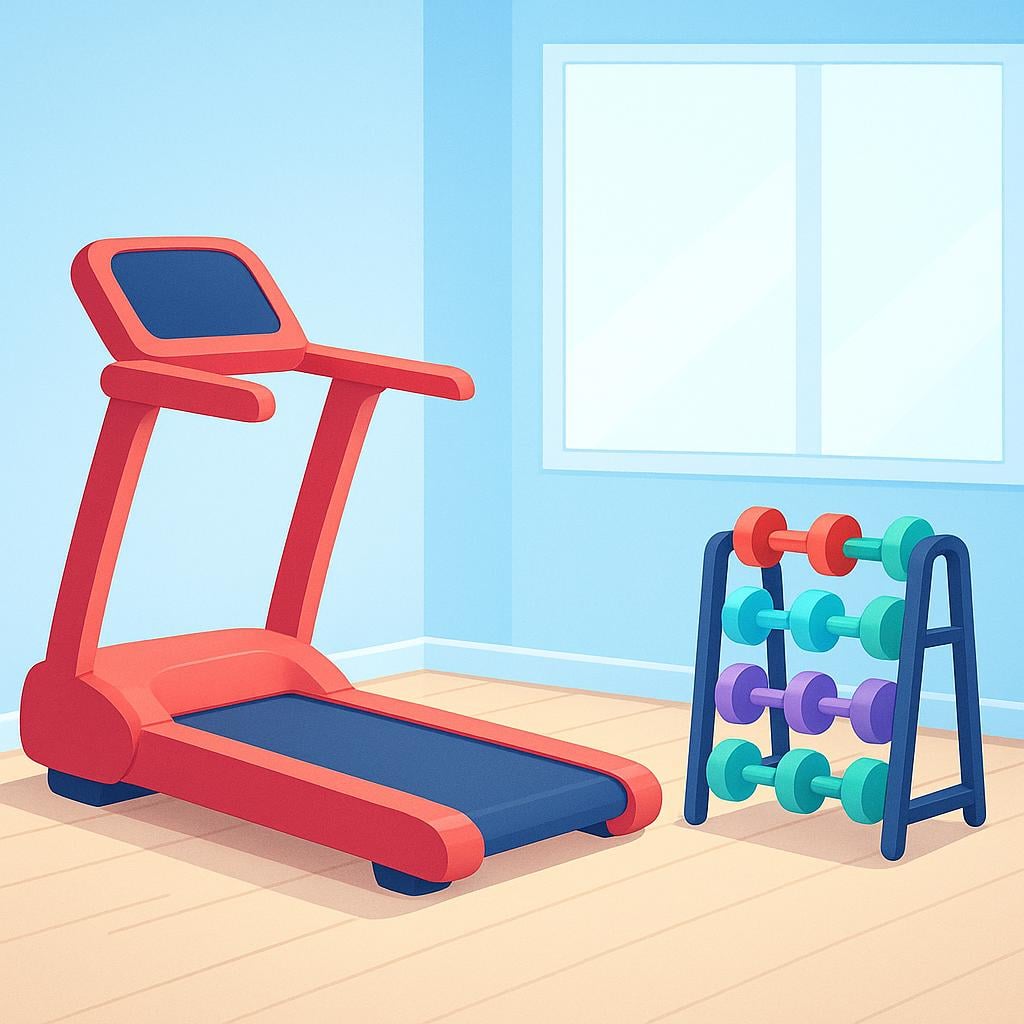
📝 In Action
Voy al gimnasio tres veces a la semana.
A1I go to the gym three times a week.
¿Conoces un buen gimnasio cerca de aquí?
A2Do you know a good gym near here?
Necesito comprar ropa deportiva nueva para el gimnasio.
A2I need to buy new athletic clothes for the gym.
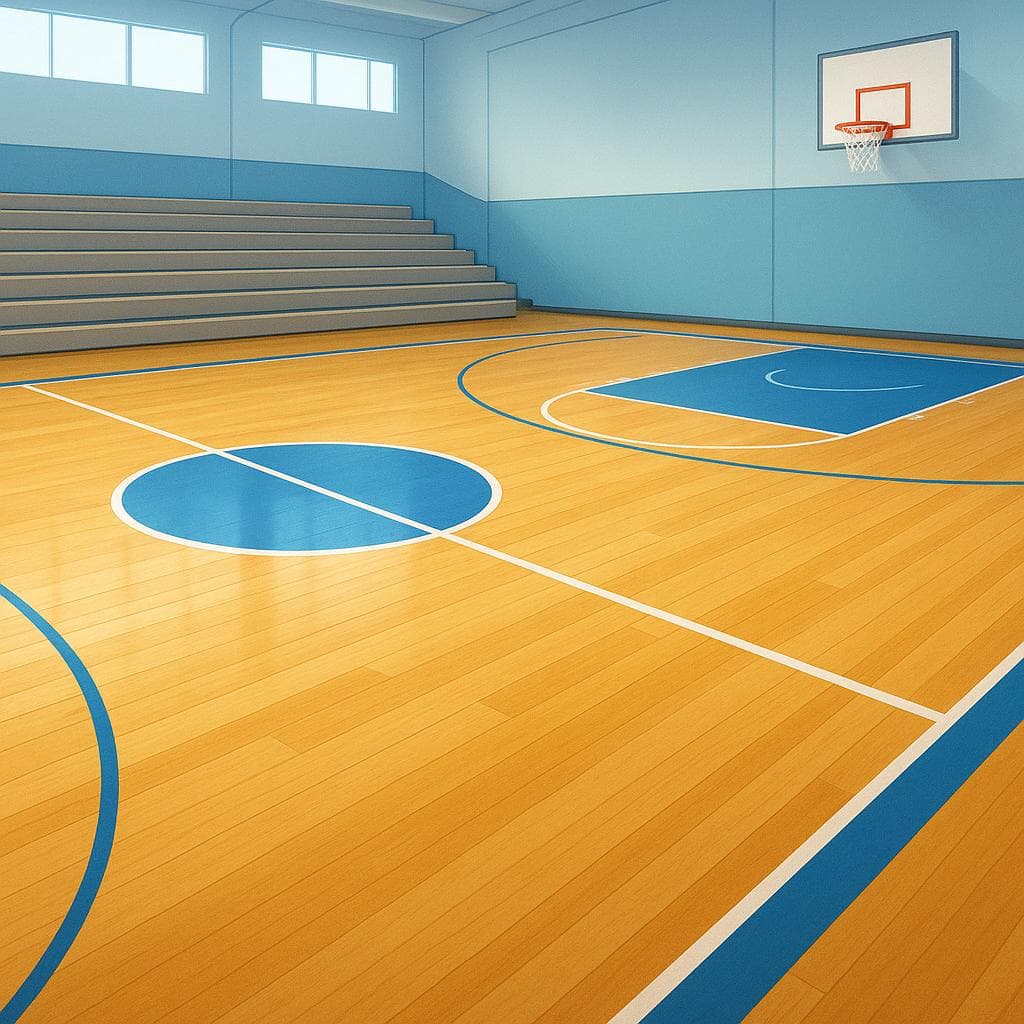
gymnasium
Also: secondary school
📝 In Action
El antiguo gimnasio de la universidad se convirtió en un salón de eventos.
B2The university's old gymnasium (sports hall) was converted into an event hall.
En ese país, un 'Gymnasium' es una escuela que prepara a los estudiantes para la universidad.
C1In that country, a 'Gymnasium' is a school that prepares students for university.
Translate to Spanish
✏️ Quick Practice
Quick Quiz: gimnasio
Question 1 of 2
Which sentence uses 'gimnasio' in its most common, modern meaning?
📚 More Resources
👥 Word Family▼
📚 Etymology▼
The word comes from the Greek word 'gymnasion,' which originally meant 'a place for naked exercise.' This is because ancient Greek athletes trained without clothes. It passed through Latin before arriving in Spanish.
First recorded: 15th century (in similar forms)
Cognates (Related words)
💡 Master Spanish
Take your Spanish to the next level. Read 200+ illustrated and narrated Spanish stories tailored to your level with the Inklingo app!
Frequently Asked Questions
¿Es 'gimnasio' masculino o femenino?
'Gimnasio' is masculine, so you always use the masculine articles: 'el gimnasio' or 'un gimnasio'.
Is 'gym' a common abbreviation in Spanish?
Yes, especially in Spain and some parts of Latin America, people sometimes shorten it to 'el gym' (pronounced like the English 'jim'). However, 'gimnasio' is always correct and understood everywhere.