graves
“graves” means “serious” in Spanish. It has 3 different meanings depending on context:



serious, severe
Also: critical, important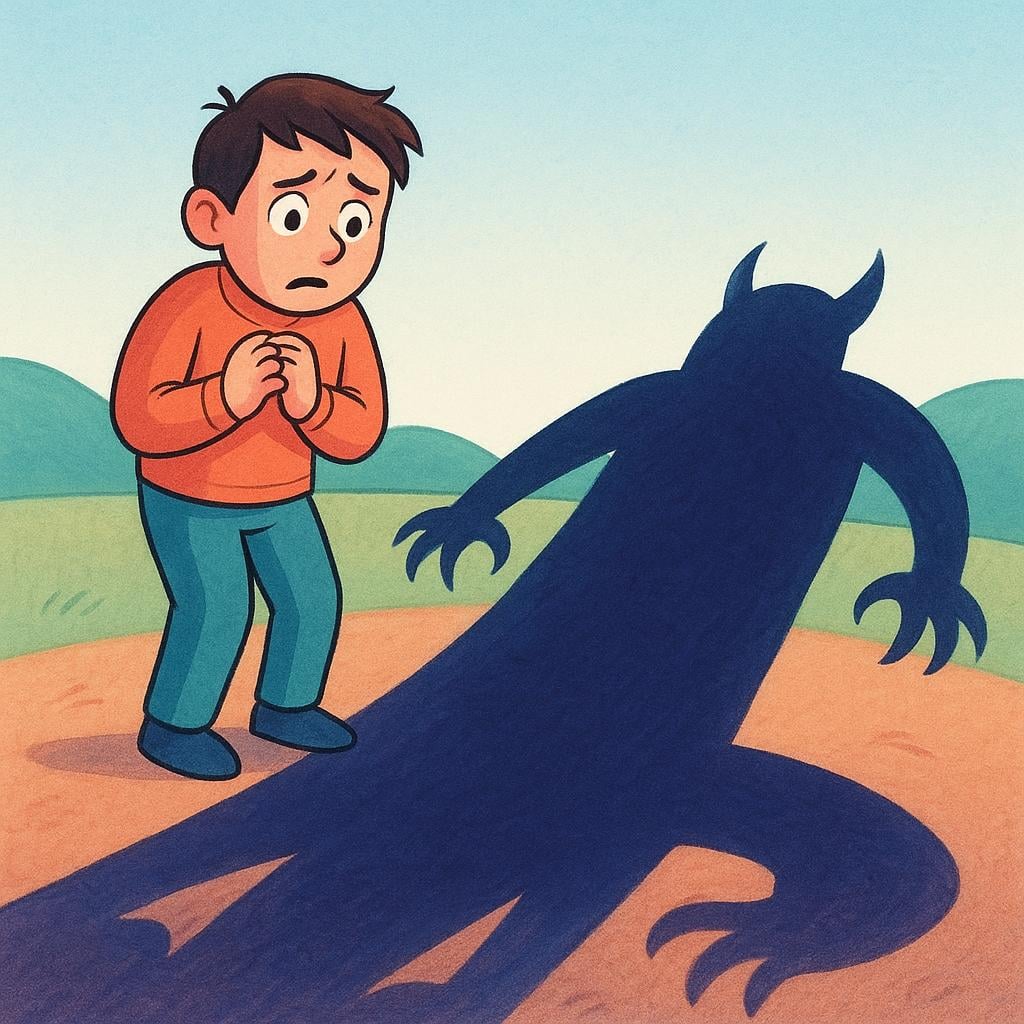
📝 In Action
Las consecuencias de la sequía son muy graves.
A2The consequences of the drought are very serious.
Sufrió heridas graves en el accidente.
B1He suffered severe injuries in the accident.
Tomaron decisiones graves sin consultar a nadie.
B2They made critical decisions without consulting anyone.
deep, low-pitched
Also: bass
📝 In Action
Se escucharon unos tonos graves en la orquesta.
B1Some deep tones were heard in the orchestra.
Los sonidos graves viajan más lejos.
B2Low-pitched sounds travel further.
that you tax, that you burden
Also: that you engrave
📝 In Action
Espero que no graves demasiado la renta de los ciudadanos.
B2I hope that you (tú) don't tax citizens' income too much.
El director pide que graves tu nombre en el premio.
C1The director asks that you (tú) engrave your name on the award.
Indicative
Present
Imperfect
Preterite
Subjunctive
Present Subjunctive
Imperfect Subjunctive
✏️ Quick Practice
Quick Quiz: graves
Question 1 of 2
Which sentence uses 'graves' in the context of sound?
📚 More Resources
👥 Word Family▼
🎵 Rhymes▼
📚 Etymology▼
Comes from the Latin word *gravis*, meaning 'heavy' or 'weighty.' This original sense evolved into the modern meanings of 'serious' (carrying heavy consequences) and 'low-pitched' (having a heavy, deep sound). The related verb 'gravar' (to tax) also stems from this root, implying placing a 'weight' or 'burden' on someone.
First recorded: 13th century (in Spanish)
Cognates (Related words)
💡 Master Spanish
Take your Spanish to the next level. Read 200+ illustrated and narrated Spanish stories tailored to your level with the Inklingo app!
Frequently Asked Questions
How do I know if 'graves' is the adjective (serious) or the verb (that you tax)?
If it follows a noun and describes it (e.g., 'problemas graves'), it's the adjective meaning 'serious.' If it follows a trigger phrase like 'Espero que...' (I hope that...) or 'Necesito que...' (I need that...), it is the verb form of 'gravar' (to tax/burden).
Does 'graves' have an accent mark?
No, the word 'graves' (both the adjective and the verb form) does not carry a written accent mark. It follows the standard Spanish rule for words ending in a vowel, 'n', or 's', where the stress falls on the second-to-last syllable.