grites
“grites” means “shout” in Spanish (negative command or wish).
shout, yell
Also: scream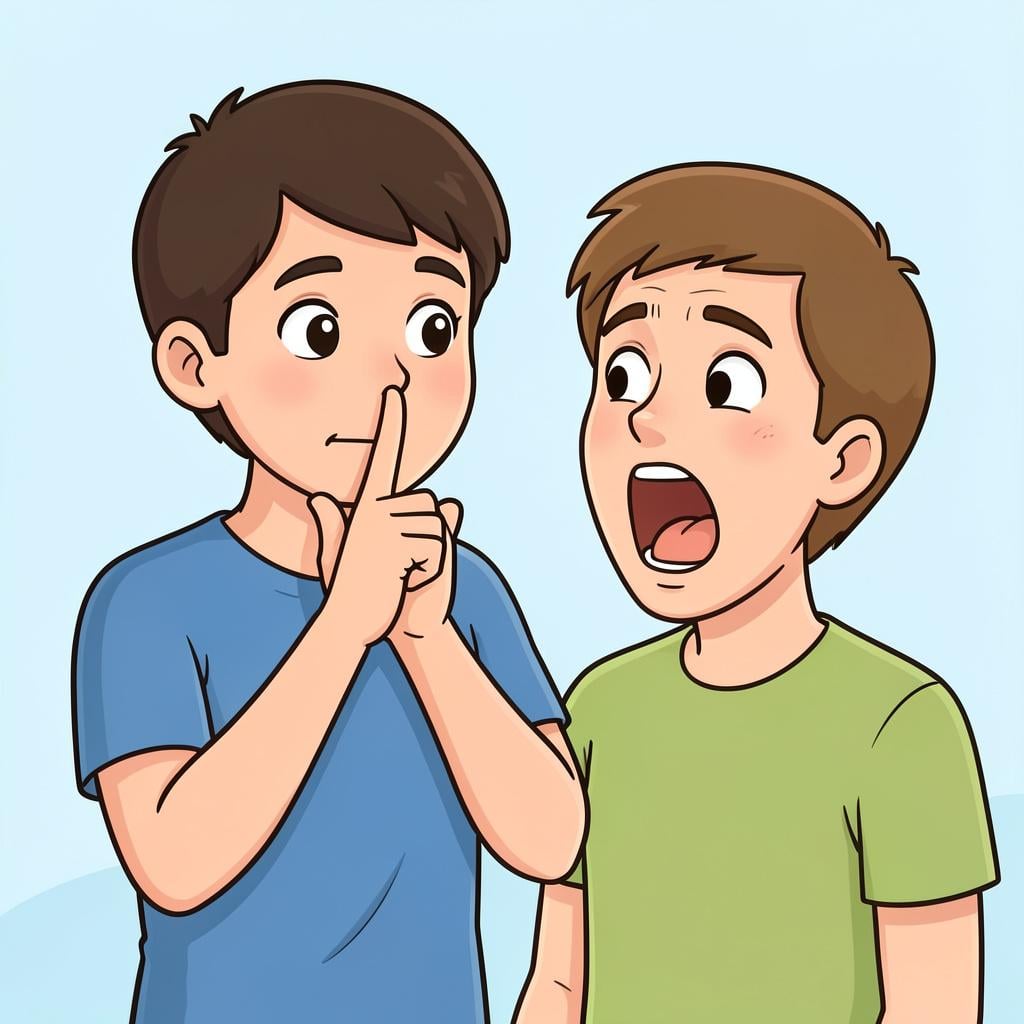
📝 In Action
Por favor, no grites en la biblioteca.
A2Please, don't shout in the library.
No quiero que me grites.
B1I don't want you to yell at me.
Espero que no grites cuando veas la araña.
B1I hope you don't scream when you see the spider.
Subjunctive
Imperfect Subjunctive
Present Subjunctive
Indicative
Preterite
Imperfect
Present
✏️ Quick Practice
Quick Quiz: grites
Question 1 of 2
Which of these is the correct way to say 'Don't shout!' to a friend?
📚 More Resources
👥 Word Family▼
📚 Etymology▼
From the Latin word 'quiritare', which literally meant 'to call for the help of Roman citizens' (the Quirites). Over time, it came to mean any loud call or shout.
First recorded: 13th century
Cognates (Related words)
💡 Master Spanish
Take your Spanish to the next level. Read 200+ illustrated and narrated Spanish stories tailored to your level with the Inklingo app!
Frequently Asked Questions
What is the difference between 'gritas' and 'grites'?
'Gritas' is a simple statement (You are shouting). 'Grites' is used for commands (Don't shout!) or after expressions of feeling (I hope you don't shout).
Can I use 'grites' for someone I don't know well?
Generally, no. 'Grites' is for people you are on a first-name basis with (tú). For a stranger or a boss, you would use 'grite'.