grosero
“grosero” means “rude” in Spanish. It has 3 different meanings depending on context:


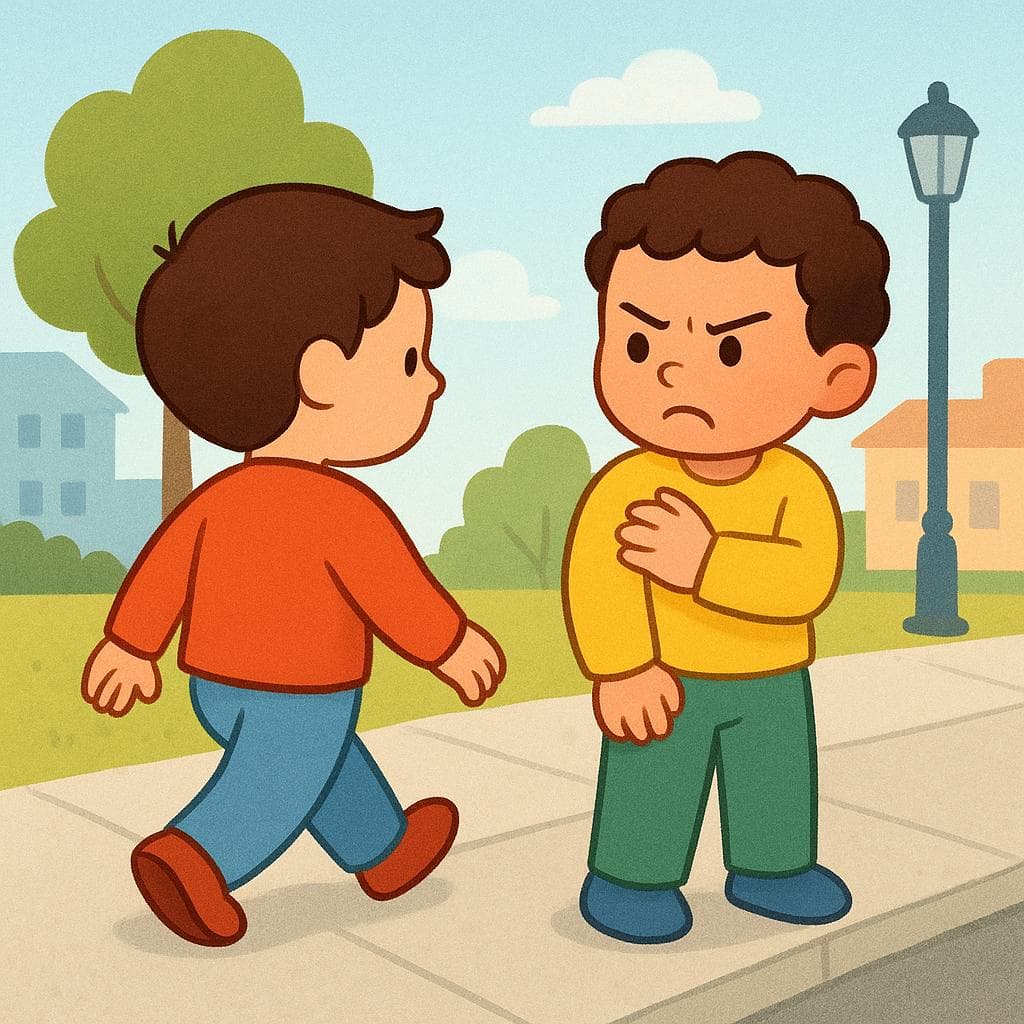
rude, impoliteAlso: vulgar

📝 In Action
Fue muy grosero al no saludar a la dueña de casa.
B1He was very rude for not greeting the hostess.
No uses lenguaje grosero delante de los niños.
B2Don't use vulgar language in front of the children.
Word Connections
coarse, roughAlso: crude

📝 In Action
El pintor usó un pincel de cerdas muy groseras.
B2The painter used a brush with very coarse bristles.
Necesitamos sal grosera para sazonar la carne.
C1We need coarse salt to season the meat.
Word Connections
rude personAlso: lout

📝 In Action
El grosero me empujó sin pedir disculpas.
B1The rude person pushed me without apologizing.
No quiero invitar a esos groseros a mi fiesta.
B2I don't want to invite those rude people (louts) to my party.
Word Connections
Translate to Spanish
✏️ Quick Practice
Quick Quiz: grosero
Question 1 of 1
Which sentence uses 'grosero' to describe a physical quality rather than bad behavior?
📚 More Resources
👥 Word Family
📚 Etymology
The word comes from the Latin 'grossus,' which meant 'thick, large, or crude.' Over time, this physical meaning of 'crude' evolved to describe someone whose manners were unrefined, unpolished, or 'crude' in a social sense.
First recorded: 15th century
Cognates (Related words)
💡 Master Spanish
Take your Spanish to the next level. Read 200+ illustrated and narrated Spanish stories tailored to your level with the Inklingo app!
Frequently Asked Questions
What is the difference between 'grosero' and 'maleducado'?
Both mean 'rude' or 'badly behaved.' 'Maleducado' literally means 'badly educated' or 'lacking manners' and often implies a lack of proper upbringing. 'Grosero' is broader and can refer to either a lack of manners or using vulgar, offensive language.