hígado
“hígado” means “liver” in Spanish. It has 2 different meanings depending on context:
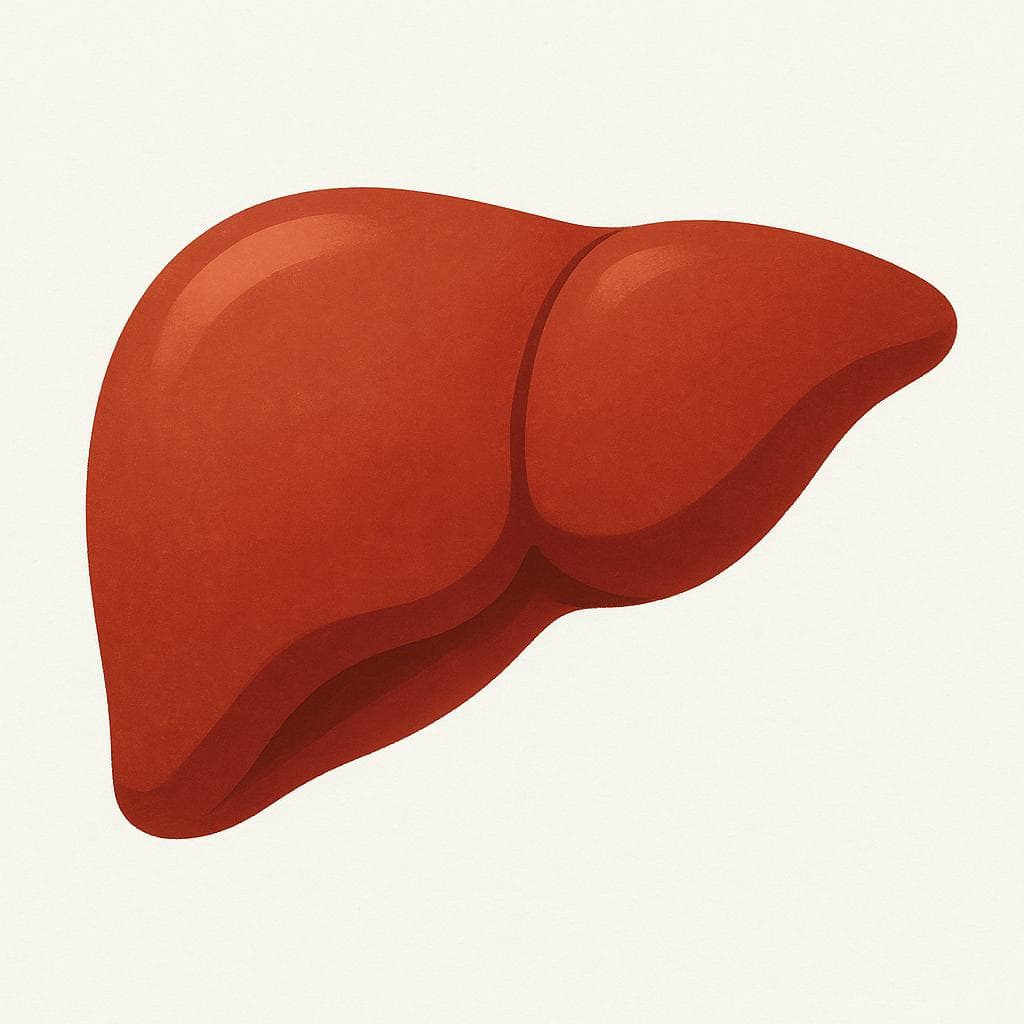

liver

📝 In Action
El médico me dijo que tengo que cuidar mi hígado.
A2The doctor told me I have to take care of my liver.
El alcohol puede dañar seriamente el hígado con el tiempo.
B1Alcohol can seriously damage the liver over time.
Esta receta usa paté de hígado de pollo.
B1This recipe uses chicken liver pâté.
guts, nerve
Also: temper
📝 In Action
Hay que tener mucho hígado para enfrentarse a esa situación.
B2You have to have a lot of guts/nerve to face that situation.
Mi jefe tiene un hígado terrible; se enoja por todo.
C1My boss has a terrible temper; he gets angry about everything. (Less common usage)
Translate to Spanish
Words that translate to "hígado" in Spanish:
guts→✏️ Quick Practice
Quick Quiz: hígado
Question 1 of 2
Which sentence correctly uses 'hígado' in its most common, literal sense?
📚 More Resources
👥 Word Family▼
📚 Etymology▼
The word comes from the Latin term *ficatum*, which literally meant 'stuffed with figs.' This referred to a delicacy of fattened goose liver (often fed figs), which became so popular that the name of the dish replaced the older, formal Latin word for the organ itself.
First recorded: Around the 13th century in Spanish, evolving from Vulgar Latin.
Cognates (Related words)
💡 Master Spanish
Take your Spanish to the next level. Read 200+ illustrated and narrated Spanish stories tailored to your level with the Inklingo app!
Frequently Asked Questions
Does 'hígado' ever mean 'stomach'?
No, 'hígado' strictly means 'liver.' The Spanish word for 'stomach' is 'estómago.' Although both are internal organs, they are never confused.
How do I use 'hígado' to talk about someone being brave?
You use the phrase 'tener hígado' (to have liver/guts). For example: 'Tienes mucho hígado' means 'You have a lot of guts/nerve.'