Inklingo

hacían

/ah-SEE-ahn/

they used to do

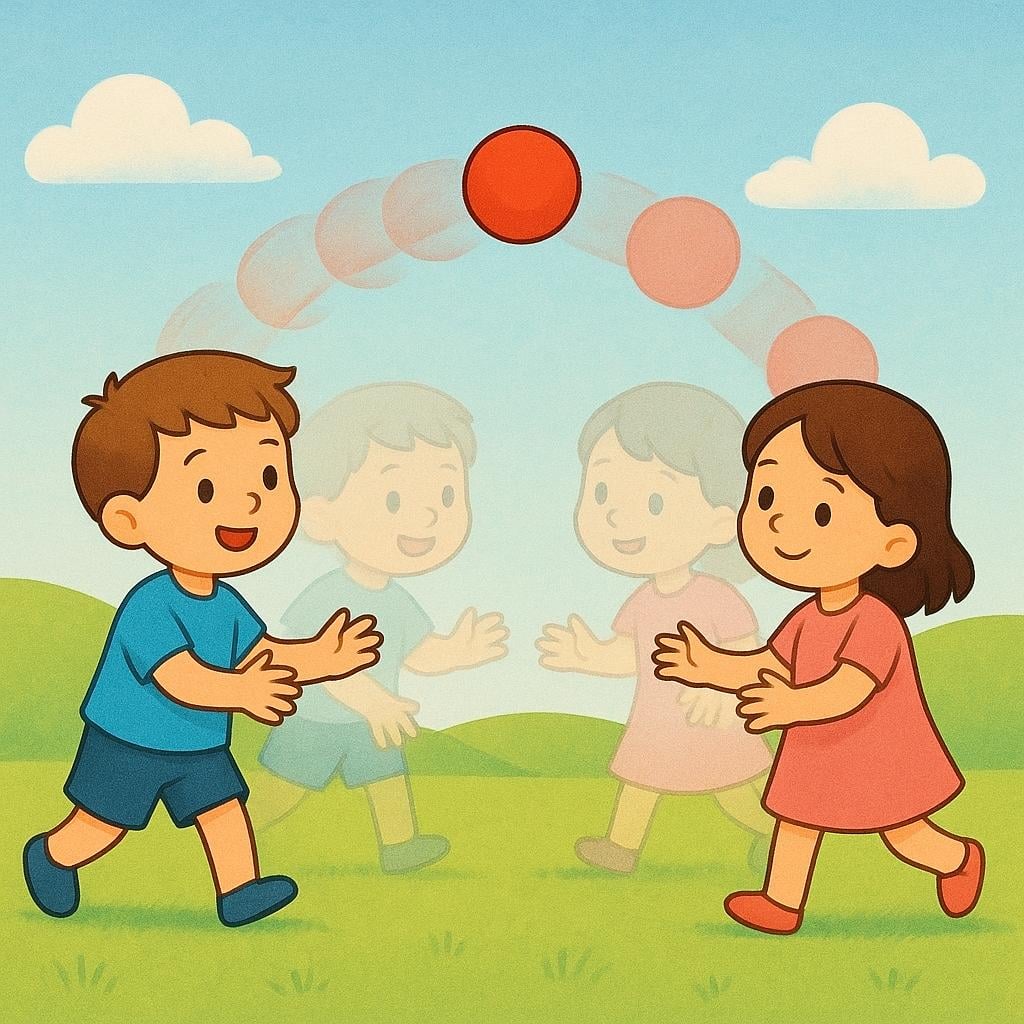
Two children, a boy and a girl, standing in a green park, are shown frozen mid-motion repeatedly throwing a red ball back and forth, illustrating a habitual past action.

The children used to do this activity every afternoon, showing a routine past action.

hacían(Verb)

A1irregular er

they used to do

?

Habitual past action

,

they were doing

?

Ongoing past action

Also:

you all used to do

?

Speaking to a group in the past (ustedes)

📝 In Action

Todos los veranos, mis abuelos hacían viajes largos.

A1

Every summer, my grandparents used to do long trips.

Cuando llegué, ellos hacían la tarea en la biblioteca.

A2

When I arrived, they were doing their homework in the library.

Ustedes siempre hacían lo correcto, por eso los admiraban.

B1

You all always did the right thing, that's why they admired you.

Word Connections

Synonyms

  • realizaban (they were carrying out)
  • ejecutaban (they were executing)

Common Collocations

  • hacían un buen trabajothey were doing a good job
  • hacían ejerciciothey were exercising

💡 Grammar Points

The Imperfect Tense's Job

The form 'hacían' describes actions that were repeated often in the past (like habits) or actions that were happening continuously when something else interrupted them.

Irregularity of Hacer

Although most verbs ending in -er follow a pattern in the imperfect (like 'comían'), 'hacer' is slightly irregular because it changes the 'c' to a 'g' in the present tense, but it keeps the 'c' (or 'z') in the preterite and imperfect.

❌ Common Pitfalls

Imperfect vs. Preterite

Mistake: "They use 'hicieron' (preterite) when they mean 'hacían' (imperfect)."

Correction: Use 'hicieron' (they did/made, finished action) for single, completed events. Use 'hacían' (they used to do/were doing) for ongoing backgrounds or past routines.

⭐ Usage Tips

Look for Time Clues

If you see phrases like 'siempre' (always), 'a menudo' (often), or 'cada día' (every day) referring to the past, 'hacían' is probably the correct choice.

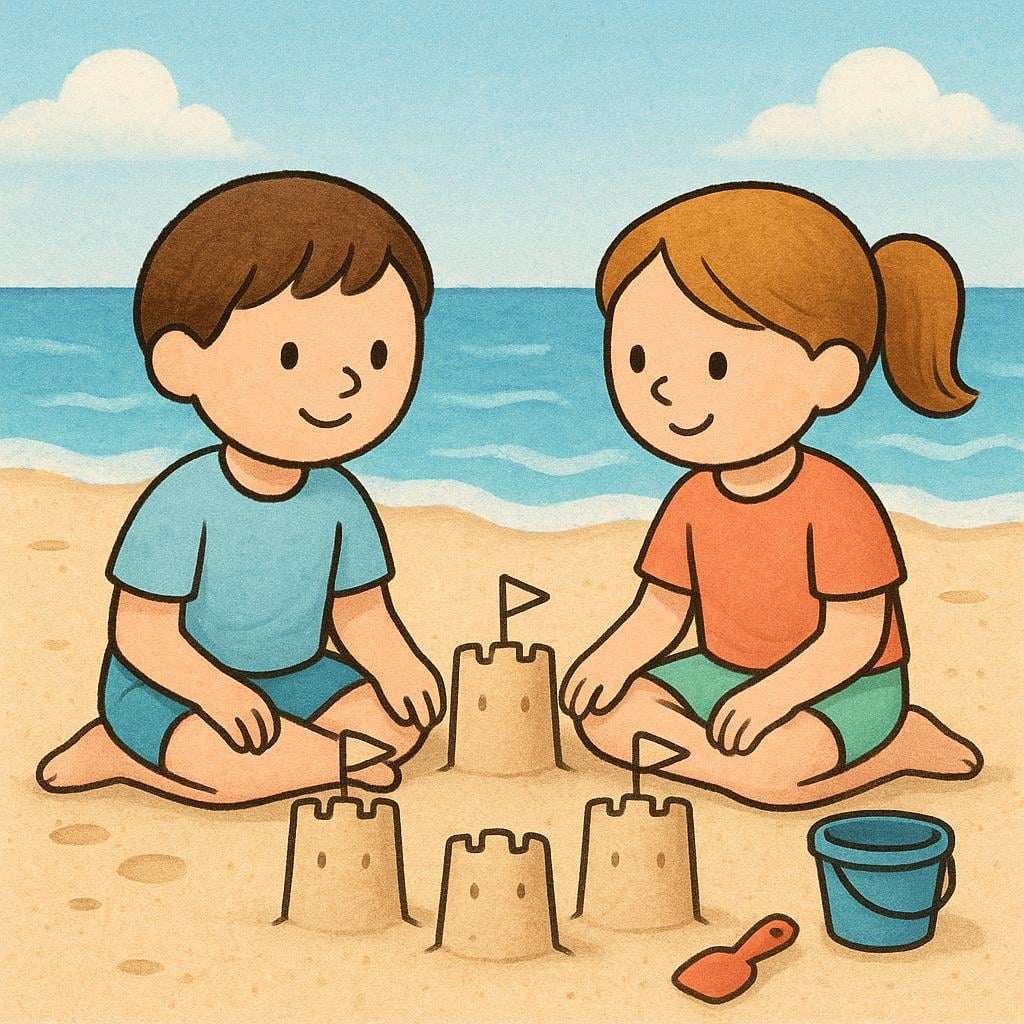
Two figures sitting on a sandy beach, surrounded by three small, simple, and identically shaped sandcastles they have just finished building, illustrating habitual past creation.

They used to make sandcastles when they visited the coast, illustrating habitual creation.

hacían(Verb)

A1irregular er

they used to make

?

Habitual past creation

,

they were making

?

Ongoing past creation

📝 In Action

Los artesanos hacían las vasijas de barro con mucho cuidado.

A1

The artisans used to make the clay pots with great care.

Ellas hacían una torta cuando sonó el teléfono.

A2

They were making a cake when the phone rang.

Word Connections

Synonyms

  • creaban (they were creating)
  • fabricaban (they were manufacturing)

Common Collocations

  • hacían planesthey were making plans
  • hacían la cenathey were making dinner

💡 Grammar Points

Making vs. Doing

In Spanish, 'hacer' covers both English concepts of 'to do' and 'to make.' Context tells you which meaning is correct. If they are building or preparing something, it means 'to make'.

Two small figures are gently pouring water from watering cans onto a small, vibrant green plant that is clearly flourishing, demonstrating that their actions were causing a positive effect.

Their efforts were causing the plant to grow rapidly, illustrating the production of an effect.

hacían(Verb)

B1irregular er

they were causing

?

Producing an effect

,

they were pretending

?

Pretending (hacerse + noun)

📝 In Action

Los chistes que contaban siempre hacían reír a la audiencia.

B1

The jokes they told always made the audience laugh (were causing the audience to laugh).

Ustedes se hacían los dormidos para no ayudar.

B2

You all were pretending to be asleep so you wouldn't have to help. (Reflexive use: 'hacerse')

Word Connections

Synonyms

  • provocaban (they were provoking)
  • fingían (they were pretending)

Common Collocations

  • hacían ruidothey were making noise
  • hacían preguntasthey were asking questions

💡 Grammar Points

Hacer with Feelings

When 'hacer' is used with certain nouns (like reír or llorar), it means to cause that reaction. For example, 'hacían llorar' means 'they were making someone cry'.

The Reflexive Form (Hacerse)

If you see 'se hacían,' it often changes the meaning to 'they were pretending to be' or 'they were becoming' something.

🔄 Conjugations

indicative

present

él/ella/ustedhace
yohago
haces
ellos/ellas/ustedeshacen
nosotroshacemos
vosotroshacéis

imperfect

él/ella/ustedhacía
yohacía
hacías
ellos/ellas/ustedeshacían
nosotroshacíamos
vosotroshacíais

preterite

él/ella/ustedhizo
yohice
hiciste
ellos/ellas/ustedeshicieron
nosotroshicimos
vosotroshicisteis

subjunctive

present

él/ella/ustedhaga
yohaga
hagas
ellos/ellas/ustedeshagan
nosotroshagamos
vosotroshagáis

imperfect

él/ella/ustedhiciera
yohiciera
hicieras
ellos/ellas/ustedeshicieran
nosotroshiciéramos
vosotroshicierais

✏️ Quick Practice

💡 Quick Quiz: hacían

Question 1 of 1

Which sentence correctly uses 'hacían' to describe a finished action that happened once?

📚 More Resources

Word Family

Frequently Asked Questions

What is the difference between 'hacían' and 'hacía'?

'Hacían' is used when the subject is plural (ellos/ellas/ustedes - they/you all). 'Hacía' is used when the subject is singular (yo/él/ella/usted - I/he/she/you formal). Both mean 'used to do' or 'was/were doing' in the past.

Why is 'hacían' used for weather sometimes?

The base verb 'hacer' is used in many weather phrases, but for weather, the singular form 'hacía' is always used because the subject is an implied 'it' (impersonal). For example: 'Hacía frío' (It was cold).