haremos
“haremos” means “we will do” in Spanish (referring to an action).
we will do, we will make
Also: we'll do, we'll make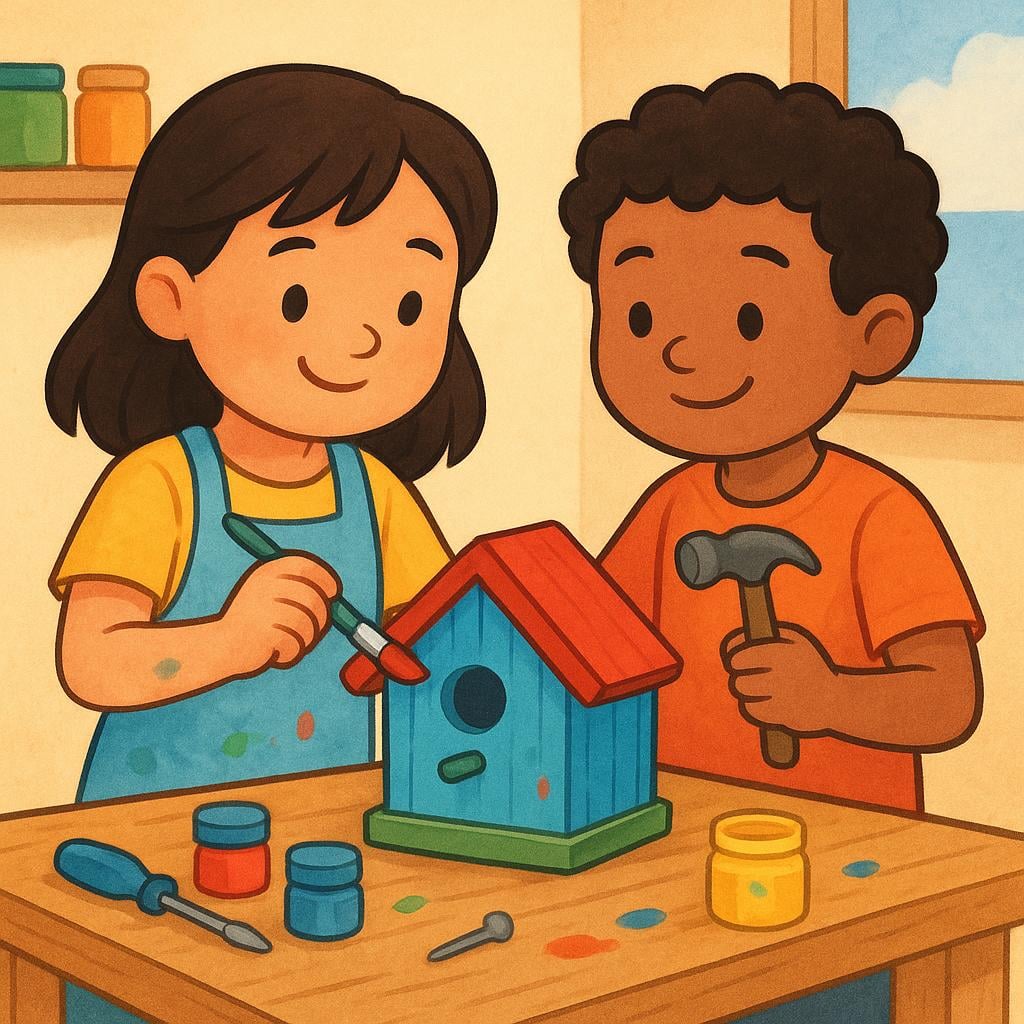
📝 In Action
¿Qué haremos este fin de semana?
A2What will we do this weekend?
Mañana haremos una paella para la cena.
A2Tomorrow we will make a paella for dinner.
Haremos todo lo posible para llegar a tiempo.
B1We will do everything possible to arrive on time.
Si estudiamos juntos, haremos el examen sin problemas.
B1If we study together, we will pass the exam without any problems.
Indicative
Present
Imperfect
Preterite
Subjunctive
Present Subjunctive
Imperfect Subjunctive
Translate to Spanish
✏️ Quick Practice
Quick Quiz: haremos
Question 1 of 1
Which sentence correctly uses 'haremos'?
📚 More Resources
👥 Word Family▼
📚 Etymology▼
It comes from the Latin verb 'facere', which meant 'to do' or 'to make'. In later Latin, people started saying the future by combining the main verb with the verb 'haber' (to have). So, 'facere habemus' (we have to do) slowly blended together over centuries to become the Spanish word 'haremos'.
First recorded: The root verb 'facer' appears in the earliest Spanish texts, around the 10th century.
Cognates (Related words)
💡 Master Spanish
Take your Spanish to the next level. Read 200+ illustrated and narrated Spanish stories tailored to your level with the Inklingo app!
Frequently Asked Questions
What's the difference between 'haremos' and 'hacemos'?
'Hacemos' means 'we do' or 'we make' in the present, something happening now or as a habit. 'Haremos' means 'we will do' or 'we will make' in the future. For example: 'Ahora hacemos la tarea' (Now we do the homework) vs. 'Mañana haremos la tarea' (Tomorrow we will do the homework).
Is 'haremos' formal or informal?
It's neutral. You can use 'haremos' in any situation, from chatting with friends to a formal business meeting. It's the standard way to talk about future actions for a group.