harta
“harta” means “fed up” in Spanish. It has 3 different meanings depending on context:
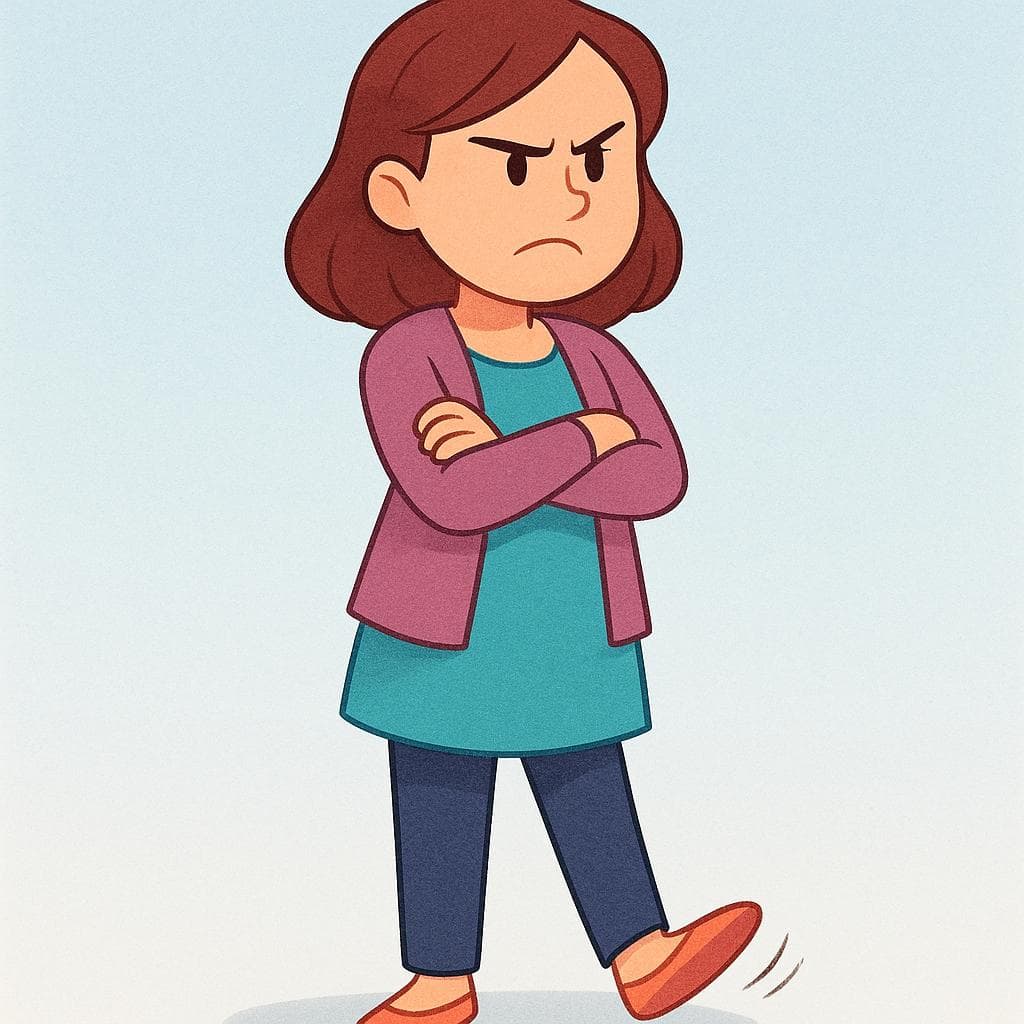

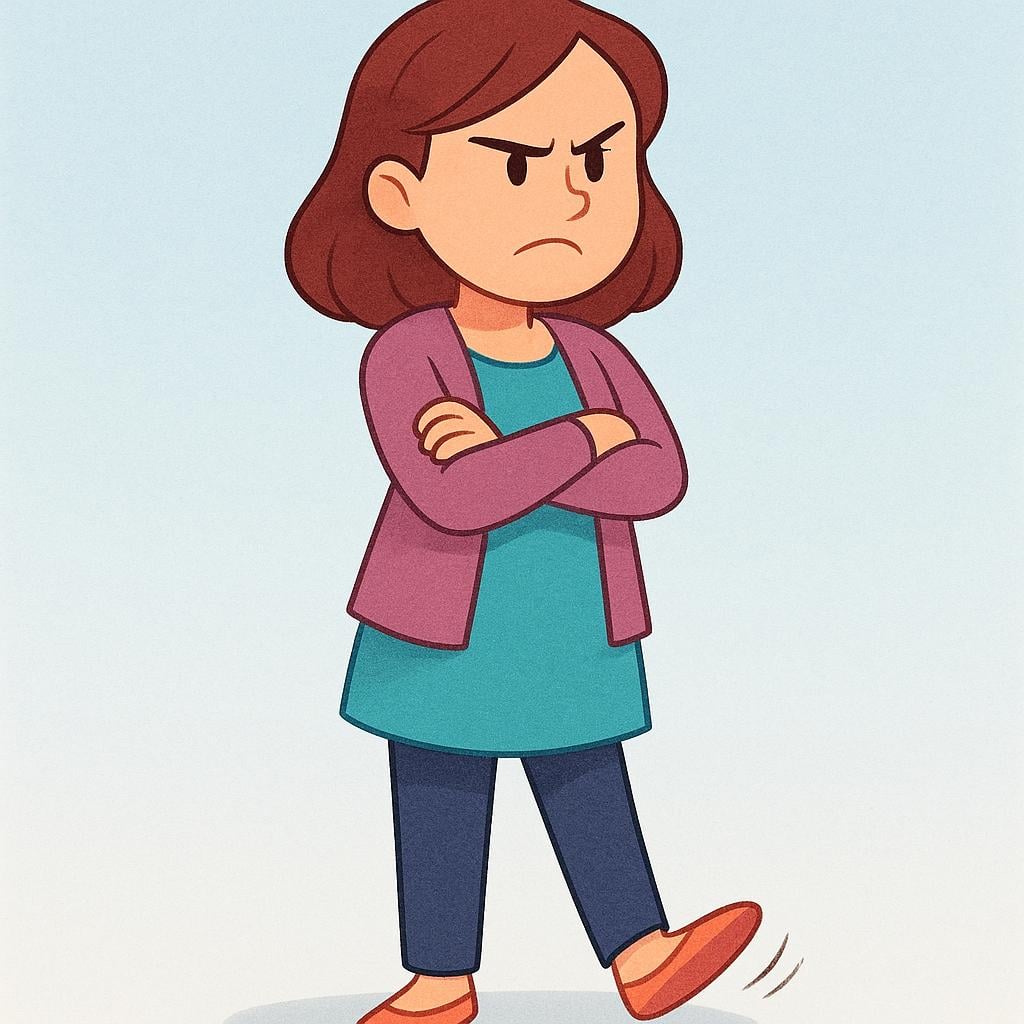
fed up, sick ofAlso: had enough
📝 In Action
Estoy harta de esperar. ¡Vámonos ya!
B1I am fed up with waiting. Let's go already!
Ella está harta de escuchar siempre las mismas excusas.
B2She is sick of always hearing the same excuses.
Word Connections
fullAlso: stuffed

📝 In Action
Gracias por la comida, estoy completamente harta.
A2Thank you for the food, I am completely full.
Si comes más, estarás harta y no podrás caminar.
B1If you eat more, you will be full and won't be able to walk.
Word Connections
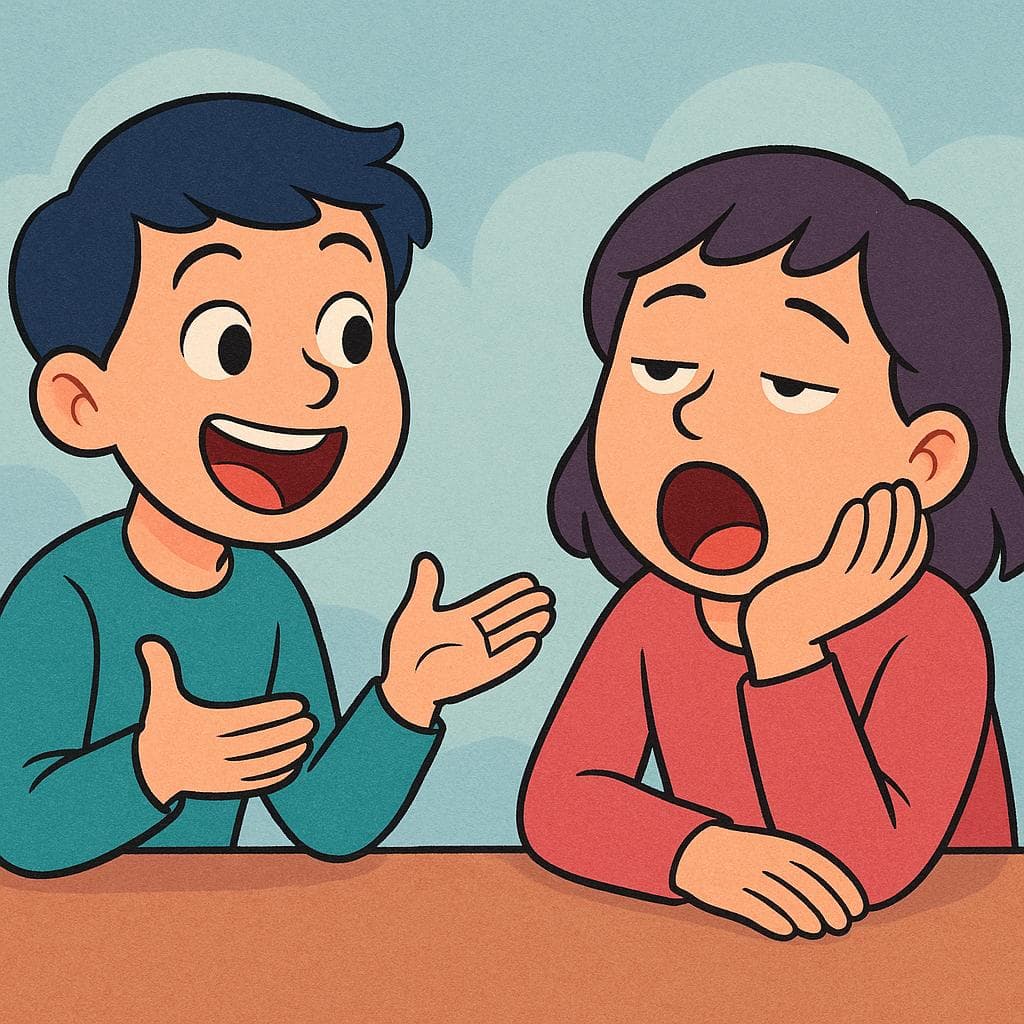
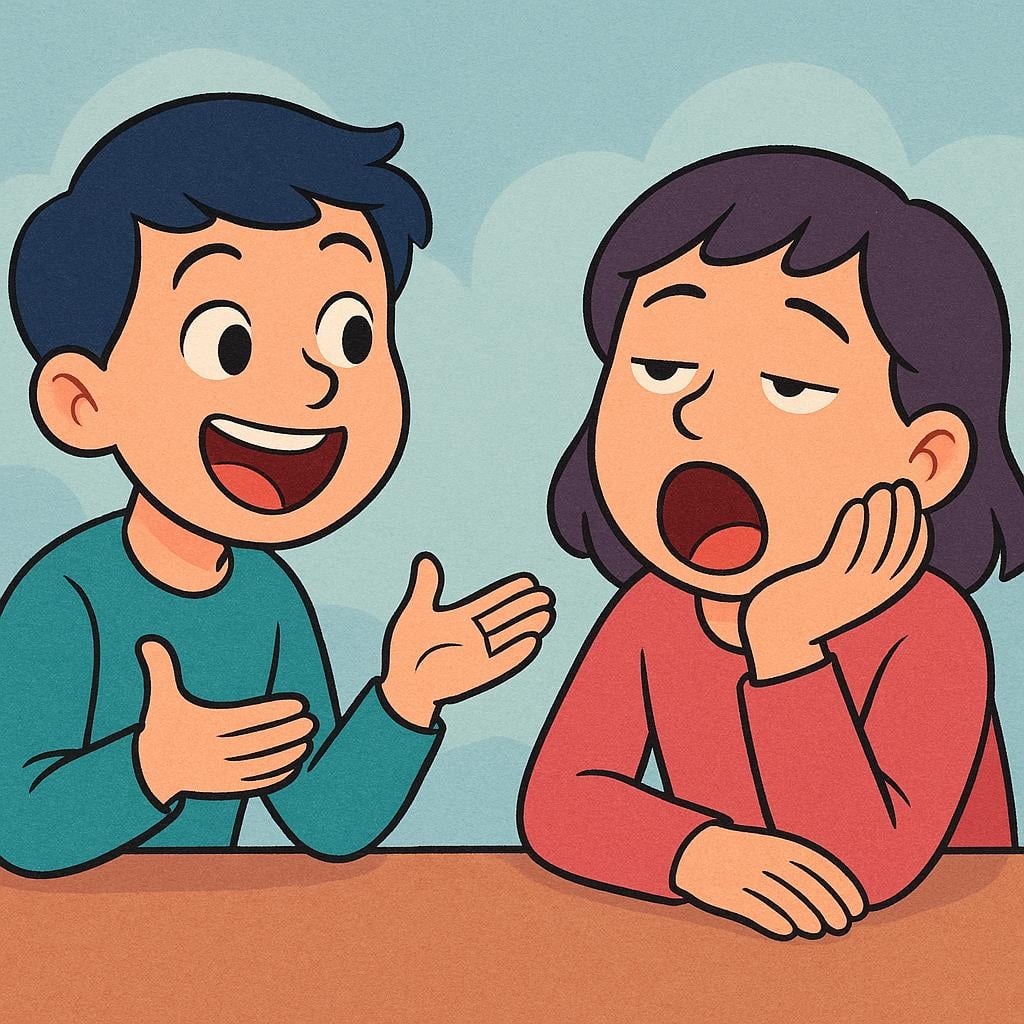
she/he bores, it fillsAlso: you annoy (formal)
📝 In Action
Esa película de terror me harta con tanto ruido.
B2That horror movie annoys me with so much noise.
Usted harta a la audiencia con discursos tan largos.
C1You (formal) bore the audience with such long speeches.
Indicative
Present
Imperfect
Preterite
Subjunctive
Present Subjunctive
Imperfect Subjunctive
Translate to Spanish
Words that translate to "harta" in Spanish:
✏️ Quick Practice
Quick Quiz: harta
Question 1 of 1
Which sentence uses 'harta' to mean 'fed up' or 'annoyed'?
📚 More Resources
👥 Word Family
🎵 Rhymes
📚 Etymology
The word comes from the Latin verb *farcire*, meaning 'to stuff' or 'to fill.' This original meaning evolved into the Spanish verb *hartar* (to fill). The adjective 'harta' is simply the past participle used to describe someone who is 'filled up,' which then figuratively extended to mean 'filled up with annoyance' or 'fed up.'
First recorded: 13th century
Cognates (Related words)
💡 Master Spanish
Take your Spanish to the next level. Read 200+ illustrated and narrated Spanish stories tailored to your level with the Inklingo app!
Frequently Asked Questions
How can 'harta' mean both 'full' and 'fed up'?
These two meanings come from the same root idea of 'filling.' Being 'harta' literally means being filled up (with food). Figuratively, when you are 'harta de' something, you are 'filled up' with that annoyance, reaching your limit of patience.
Is 'harta' the same as 'llena'?
They are similar when talking about being full after eating, but 'llena' (full) is used more generally for containers or spaces (a full glass, a full room). 'Harta' is almost exclusively used for people being full from food, or more commonly, being fed up.