heroína
“heroína” means “heroine” in Spanish. It has 2 different meanings depending on context:
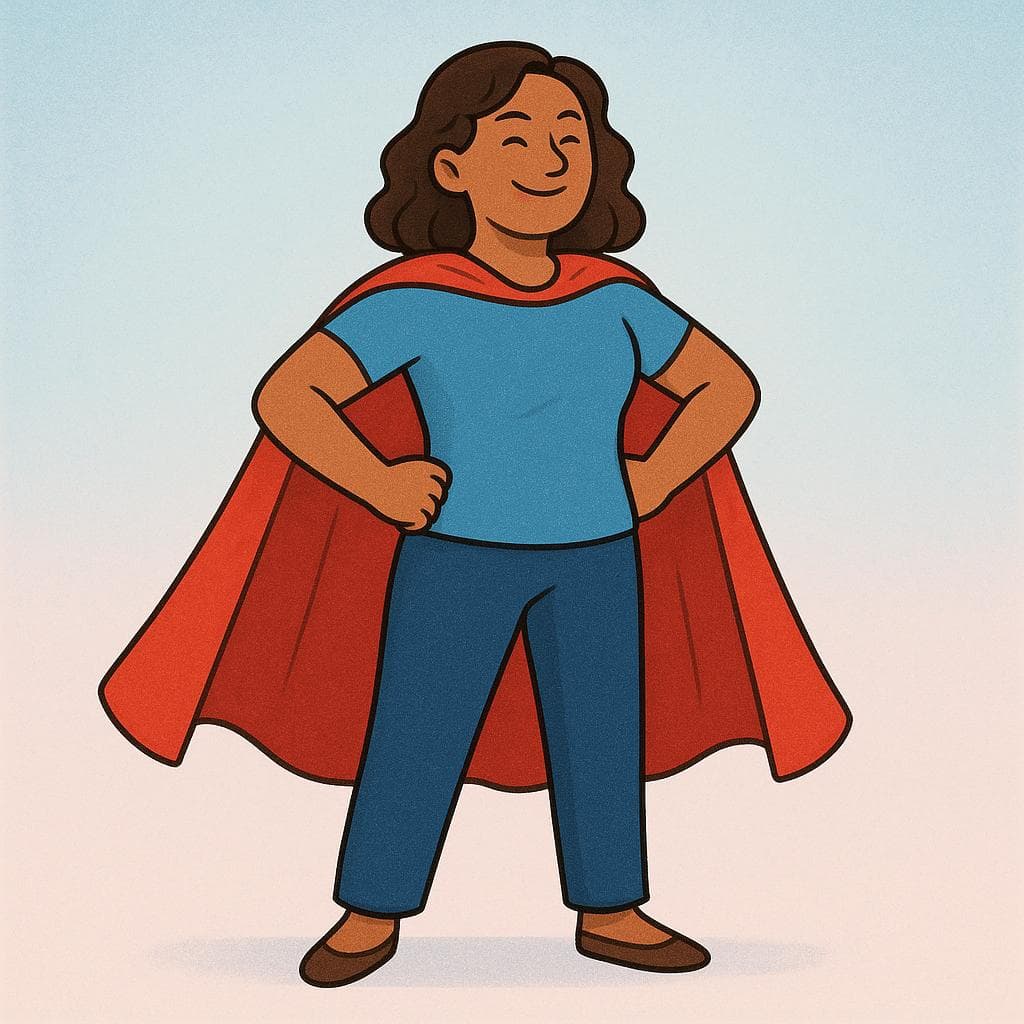

heroine, protagonist
Also: leading lady
📝 In Action
Juana de Arco es considerada una heroína nacional en Francia.
B1Joan of Arc is considered a national heroine in France.
La heroína de la película resolvió el misterio en el último minuto.
A2The heroine of the movie solved the mystery at the last minute.
Para mí, mi abuela es una heroína por todo lo que logró.
A2For me, my grandmother is a heroine for everything she achieved.
heroin

📝 In Action
El gobierno implementó medidas para combatir el tráfico de heroína.
B2The government implemented measures to combat heroin trafficking.
La heroína es un opiáceo altamente adictivo.
C1Heroin is a highly addictive opioid.
✏️ Quick Practice
Quick Quiz: heroína
Question 1 of 1
Which sentence uses 'heroína' to mean a protagonist in a story?
📚 More Resources
👥 Word Family▼
📚 Etymology▼
Comes from the Latin word 'heroīna,' which itself was borrowed from the ancient Greek 'hērōínē.' It is simply the feminine form of the word for 'hero,' emphasizing a woman of great status or courage.
First recorded: 15th century (Spanish context)
Cognates (Related words)
💡 Master Spanish
Take your Spanish to the next level. Read 200+ illustrated and narrated Spanish stories tailored to your level with the Inklingo app!
Frequently Asked Questions
How do I know if 'heroína' means the brave woman or the drug?
The context is always the key. If the sentence talks about books, movies, or acts of courage, it means the brave woman/character. If it talks about trafficking, addiction, or hospitals, it refers to the drug.
Is 'heroína' always the feminine form of 'héroe'?
Yes, when referring to a person, 'heroína' is the female form, just like 'actriz' is the female form of 'actor'. The drug meaning is a separate, unrelated use of the same word.