Inklingo

hicieras

/ee-SEE-eh-ras/

you did

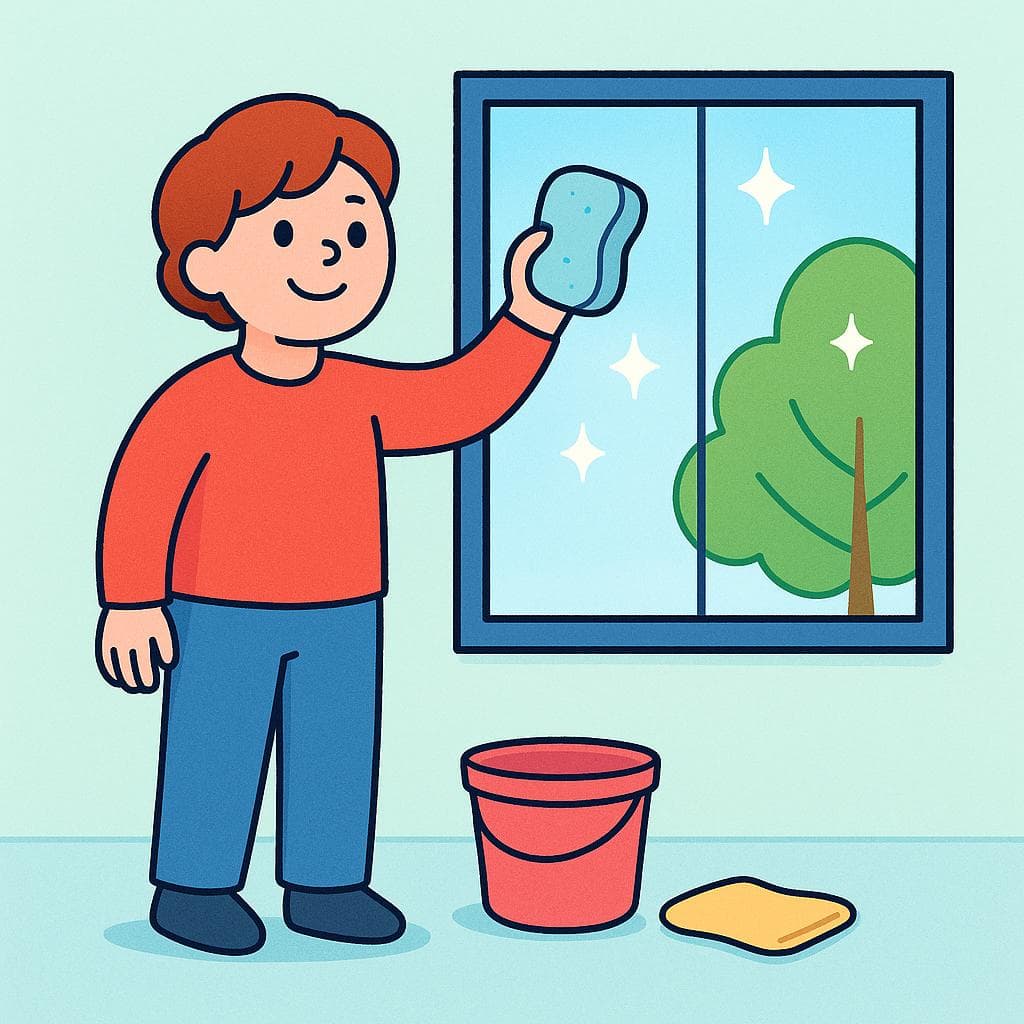
A person wearing cleaning gloves stands next to a window that has been completely cleaned and is sparkling brightly in the sun.

Depicting the completion of an action, such as 'you did' the cleaning.

hicieras(verb)

B1irregular er

you did

?

in a conditional or dependent phrase

,

you would do

?

as a hypothetical action

Also:

you were doing

?

less common, but possible in certain constructions

📝 In Action

Si me lo pidieras, yo lo hicieras con gusto.

B1

If you asked me (to), I would do it gladly.

No creía que tú hicieras ese tipo de cosas.

B2

I didn't believe that you did that kind of thing.

Fue una pena que no hicieras el examen final.

B2

It was a shame that you didn't take the final exam.

Word Connections

Synonyms

  • realizaras (you carried out)
  • ejecutaras (you executed)

Common Collocations

  • Si tú hicieras un esfuerzoIf you made an effort
  • Quería que hicieras la tareaI wanted you to do the homework

💡 Grammar Points

The Hypothetical Past

"Hicieras" (the imperfect subjunctive) is often used after 'si' (if) to set up a hypothetical situation that is contrary to fact or unlikely, paired with the conditional tense.

Irregular Stem

The verb 'hacer' is highly irregular. Notice how the 'hic-' stem appears in the preterite (past simple) and the subjunctive forms.

❌ Common Pitfalls

Using the Indicative in Conditional Sentences

Mistake: "Si tú hacías esto, estaríamos bien."

Correction: Si tú hicieras esto, estaríamos bien. (We must use the subjunctive form, 'hicieras', after 'si' when expressing a hypothetical condition.)

⭐ Usage Tips

When to Use 'Hicieras'

Use 'hicieras' when the main part of the sentence expresses a feeling (doubt, fear), a request, or a condition that happened in the past, or when setting up a hypothetical 'if' statement.

A pair of hands carefully places the final decorative item on top of a freshly baked, colorful cake.

Illustrating the creation or preparation of an item, like 'you made' a cake.

hicieras(verb)

B1irregular er

you made

?

referring to creation or preparation, in a conditional or dependent phrase

Also:

you prepared

?

food or arrangements

📝 In Action

Esperaba que tú hicieras un pastel para la fiesta.

B1

I was hoping that you would make a cake for the party.

Si ella te pidiera que hicieras un dibujo, ¿lo harías?

B2

If she asked you to make a drawing, would you do it?

Word Connections

Synonyms

  • crearas (you created)
  • fabricaras (you fabricated)

💡 Grammar Points

Requesting Creation

When you express a past request or desire for someone to create something, 'hicieras' is the correct form to use after the influencing verb (e.g., 'pedir' or 'esperar').

🔄 Conjugations

indicative

present

él/ella/ustedhace
yohago
haces
ellos/ellas/ustedeshacen
nosotroshacemos
vosotroshacéis

imperfect

él/ella/ustedhacía
yohacía
hacías
ellos/ellas/ustedeshacían
nosotroshacíamos
vosotroshacías

preterite

él/ella/ustedhizo
yohice
hiciste
ellos/ellas/ustedeshicieron
nosotroshicimos
vosotroshicisteis

subjunctive

present

él/ella/ustedhaga
yohaga
hagas
ellos/ellas/ustedeshagan
nosotroshagamos
vosotroshagáis

imperfect

él/ella/ustedhiciera
yohiciera
hicieras
ellos/ellas/ustedeshicieran
nosotroshiciéramos
vosotroshicierais

✏️ Quick Practice

💡 Quick Quiz: hicieras

Question 1 of 1

Which sentence correctly uses 'hicieras' to describe a past wish or request?

📚 More Resources

Frequently Asked Questions

Is 'hicieras' the same as 'hicieses'?

Yes! Both 'hicieras' and 'hicieses' are forms of the imperfect subjunctive for the 'tú' (you, informal) form. 'Hicieras' (the -ra form) is generally more common in modern Spanish and is used in conditional ('if') sentences, while the -se form ('hicieses') is still correct but less frequent.

Why is 'hicieras' used in 'Si tú hicieras...' (If you did...)?

Spanish uses this special verb form (the imperfect subjunctive) after 'si' (if) when the condition is hypothetical or contrary to reality. You are talking about a possibility that likely won't happen or didn't happen.