hippie
“hippie” means “hippie” in Spanish. It has 2 different meanings depending on context:

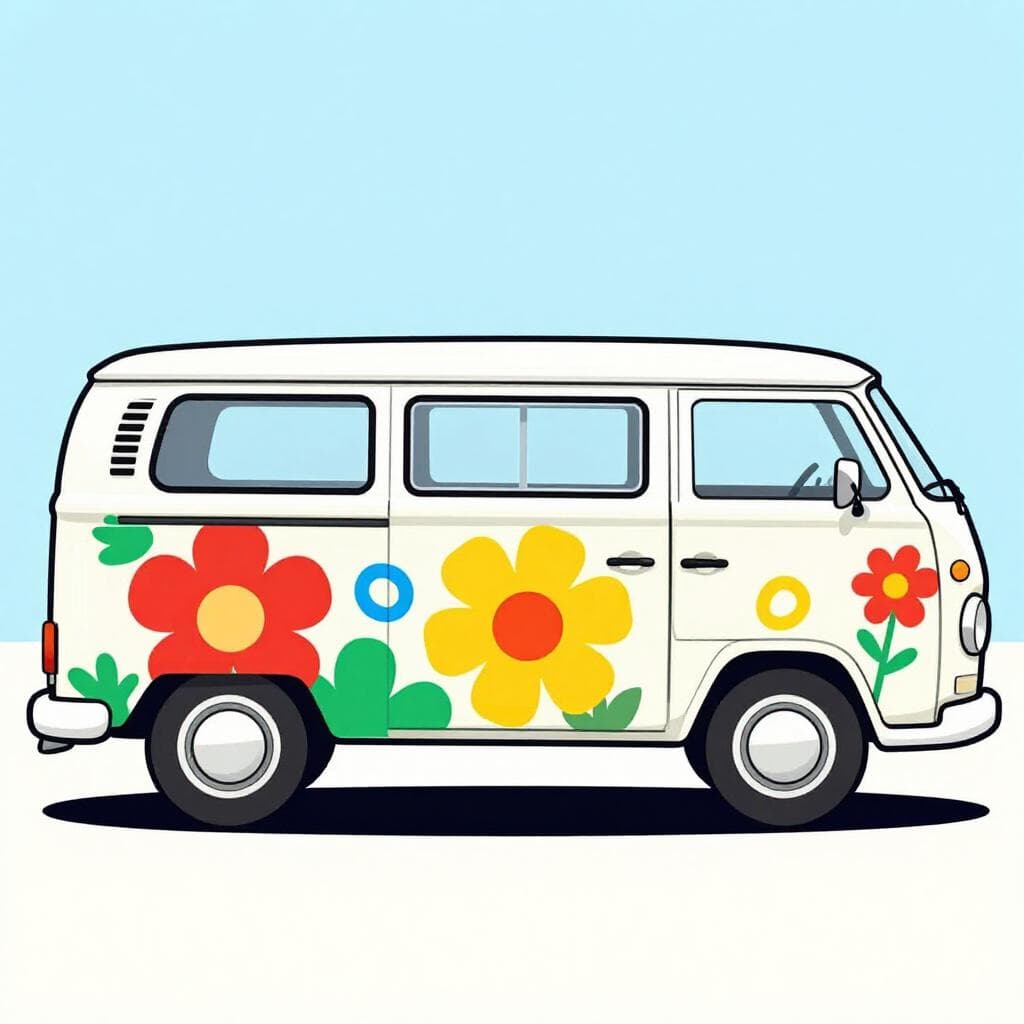
hippie
Also: bohemian
📝 In Action
Había muchos hippies en el concierto de rock.
A2There were many hippies at the rock concert.
Mi tío fue un hippie en los años setenta.
B1My uncle was a hippie in the seventies.
Los hippies solían viajar en furgonetas decoradas.
B2The hippies used to travel in decorated vans.
hippie
Also: bohemian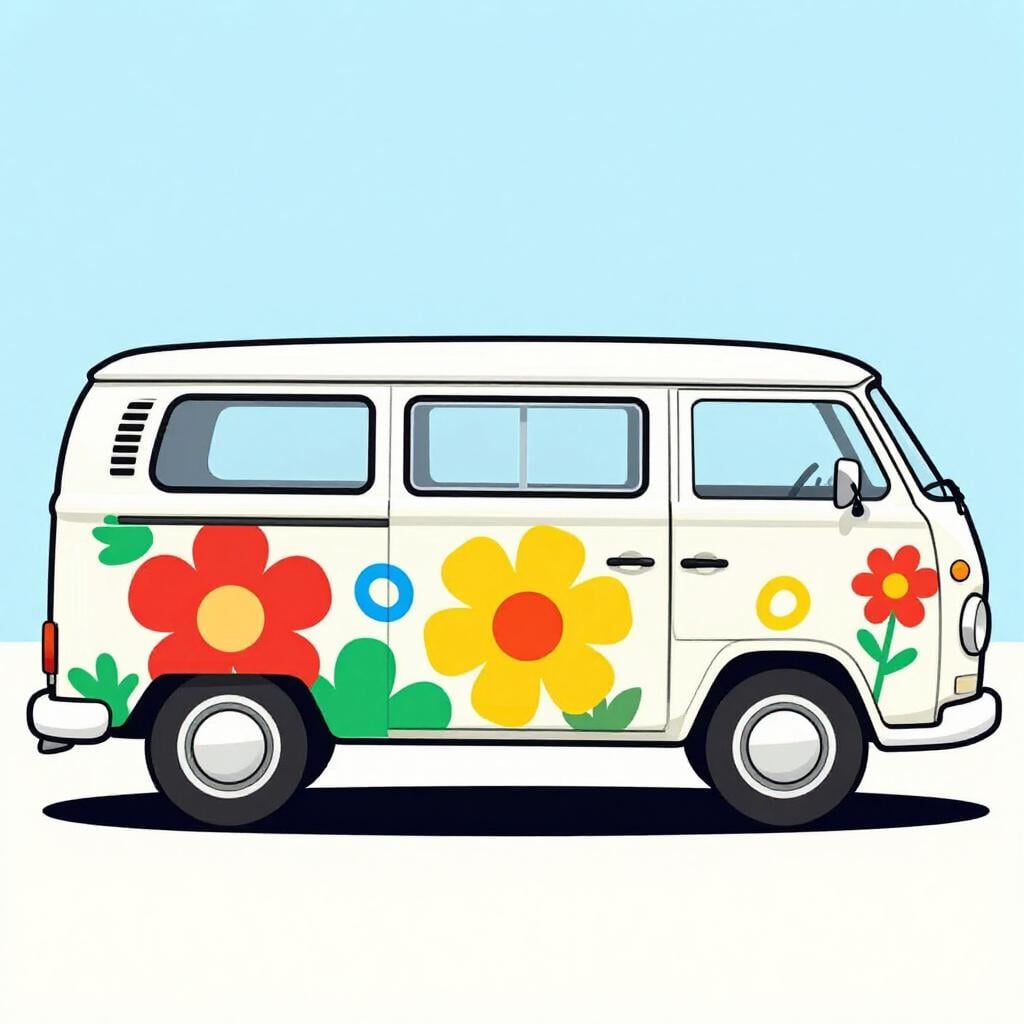
📝 In Action
Lleva una falda muy hippie.
B1She is wearing a very hippie skirt.
Me gusta la decoración hippie de esta cafetería.
B1I like the hippie decor of this coffee shop.
Tiene una actitud hippie ante la vida.
B2He has a hippie attitude toward life.
✏️ Quick Practice
Quick Quiz: hippie
Question 1 of 3
How do you say 'The hippie woman' in Spanish?
📚 More Resources
👥 Word Family▼
📚 Etymology▼
Borrowed directly from the English word 'hippie', which comes from 'hip' (meaning trendy or 'in the know').
First recorded: 20th century (roughly 1960s)
Cognates (Related words)
💡 Master Spanish
Take your Spanish to the next level. Read 200+ illustrated and narrated Spanish stories tailored to your level with the Inklingo app!
Frequently Asked Questions
Can I spell it 'jipi'?
You will often see it spelled 'jipi' in casual chats or comics because it mimics the Spanish pronunciation, but in books and newspapers, 'hippie' is the correct spelling.
Is 'hippie' an offensive word in Spanish?
Generally, no. It is neutral. However, like in English, if said with a certain tone, it can be used to imply someone is disorganized or unkempt, but it's mostly used to describe a style or a historical era.
Does it change for feminine nouns?
No. It is an 'invariable' adjective, meaning it stays as 'hippie' whether you're describing a boy, a girl, a car, or a flower.