horribles
“horribles” means “horrible” in Spanish (when describing people, things, or experiences).
horrible, awful
Also: terrible, dreadful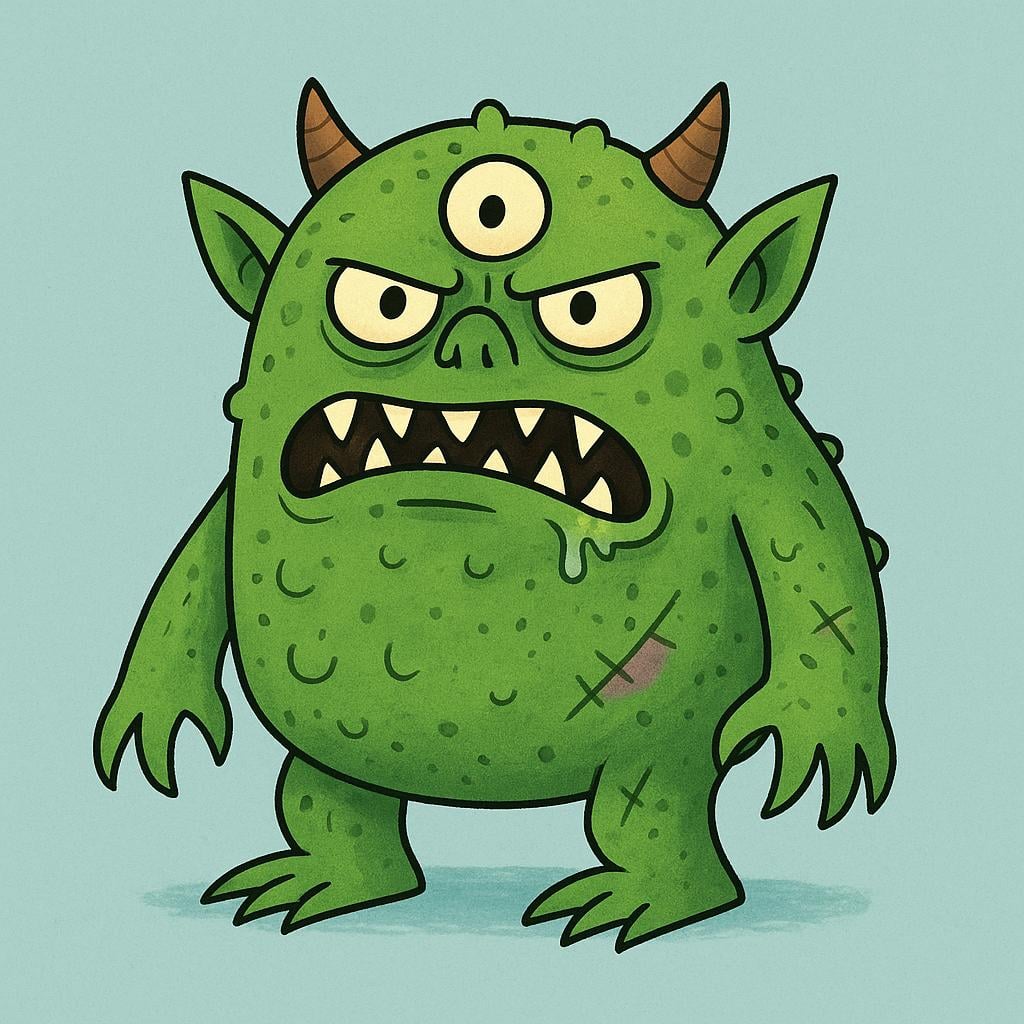
📝 In Action
Las noticias que recibimos fueron horribles.
A2The news we received was horrible (or awful).
Tienen unos modales tan horribles que nadie quiere invitarlos.
B1They have such awful manners that nobody wants to invite them.
Esos colores son horribles para pintar la cocina.
A2Those colors are dreadful for painting the kitchen.
Translate to Spanish
Words that translate to "horribles" in Spanish:
terrible→✏️ Quick Practice
Quick Quiz: horribles
Question 1 of 1
Which sentence correctly uses the word 'horribles'?
📚 More Resources
👥 Word Family▼
🎵 Rhymes▼
📚 Etymology▼
The word comes from the Latin *horribilis*, which means 'dreadful' or 'causing to tremble.' It shares a root with the word 'horror,' reminding us that this adjective describes something that truly makes you feel fear or extreme discomfort.
First recorded: 13th century
Cognates (Related words)
💡 Master Spanish
Take your Spanish to the next level. Read 200+ illustrated and narrated Spanish stories tailored to your level with the Inklingo app!
Frequently Asked Questions
Is 'horribles' masculine or feminine?
'Horribles' is gender-neutral. It is used to describe both masculine plural nouns (like 'errores horribles') and feminine plural nouns (like 'ideas horribles').
How strong is 'horribles' compared to 'malos'?
'Horribles' is much stronger. 'Malos' just means 'bad,' but 'horribles' implies something that is terrible, shocking, or extremely unpleasant. Use it when 'bad' isn't strong enough!