hábito
“hábito” means “habit” in Spanish. It has 2 different meanings depending on context:


habitAlso: custom
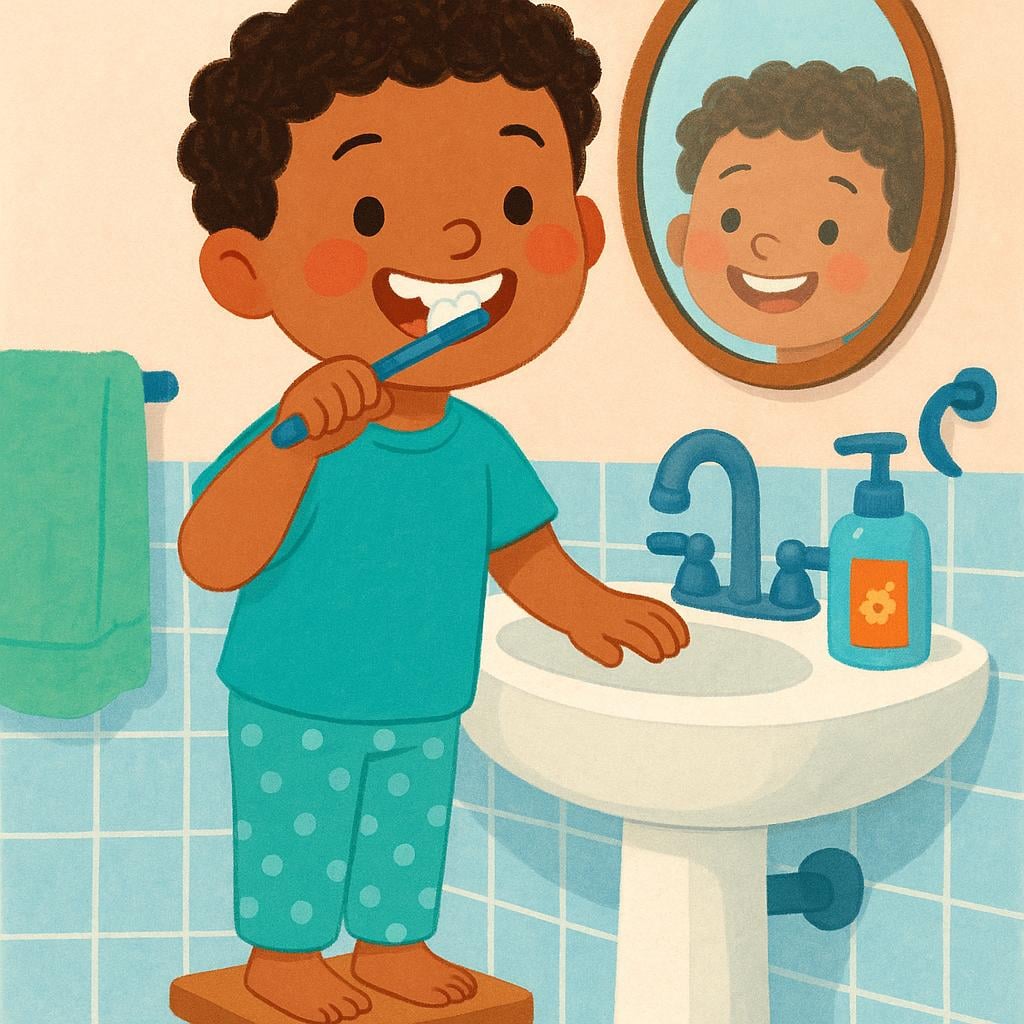
📝 In Action
Tengo el hábito de revisar mi teléfono al despertar.
A1I have the habit of checking my phone when I wake up.
Para perder peso, debes cambiar tus malos hábitos alimenticios.
A2To lose weight, you must change your bad eating habits.
Crear un hábito de estudio constante es clave para el éxito.
B1Creating a constant study habit is key to success.
Word Connections
habitAlso: robe

📝 In Action
El sacerdote se puso su hábito antes de la ceremonia.
B1The priest put on his habit before the ceremony.
Tomar el hábito es un compromiso de por vida con la fe.
B2Taking the habit (joining the order) is a lifelong commitment to the faith.
Word Connections
🔀 Commonly Confused With
✏️ Quick Practice
Quick Quiz: hábito
Question 1 of 1
Which sentence uses 'hábito' in the sense of 'clothing'?
📚 More Resources
👥 Word Family
🎵 Rhymes
📚 Etymology
The word comes directly from the Latin word *habitus*, which originally meant 'condition,' 'state of being,' or 'dress.' This is why Spanish uses it for both a repeated action (a 'state of being') and a religious garment (a specific 'dress').
First recorded: 13th century
Cognates (Related words)
💡 Master Spanish
Take your Spanish to the next level. Read 200+ illustrated and narrated Spanish stories tailored to your level with the Inklingo app!
Frequently Asked Questions
Does 'hábito' mean 'suit' (like a business suit)?
No. Although 'hábito' is related to the English word 'attire,' in modern Spanish, it almost never means a business suit. For a business suit, use 'traje.' 'Hábito' only means a routine or religious clothing.
How do I say 'I got used to it' using a word from the 'hábito' family?
You would use the reflexive verb 'habituarse': 'Me habitué a la comida picante' (I got used to the spicy food).