imaginación
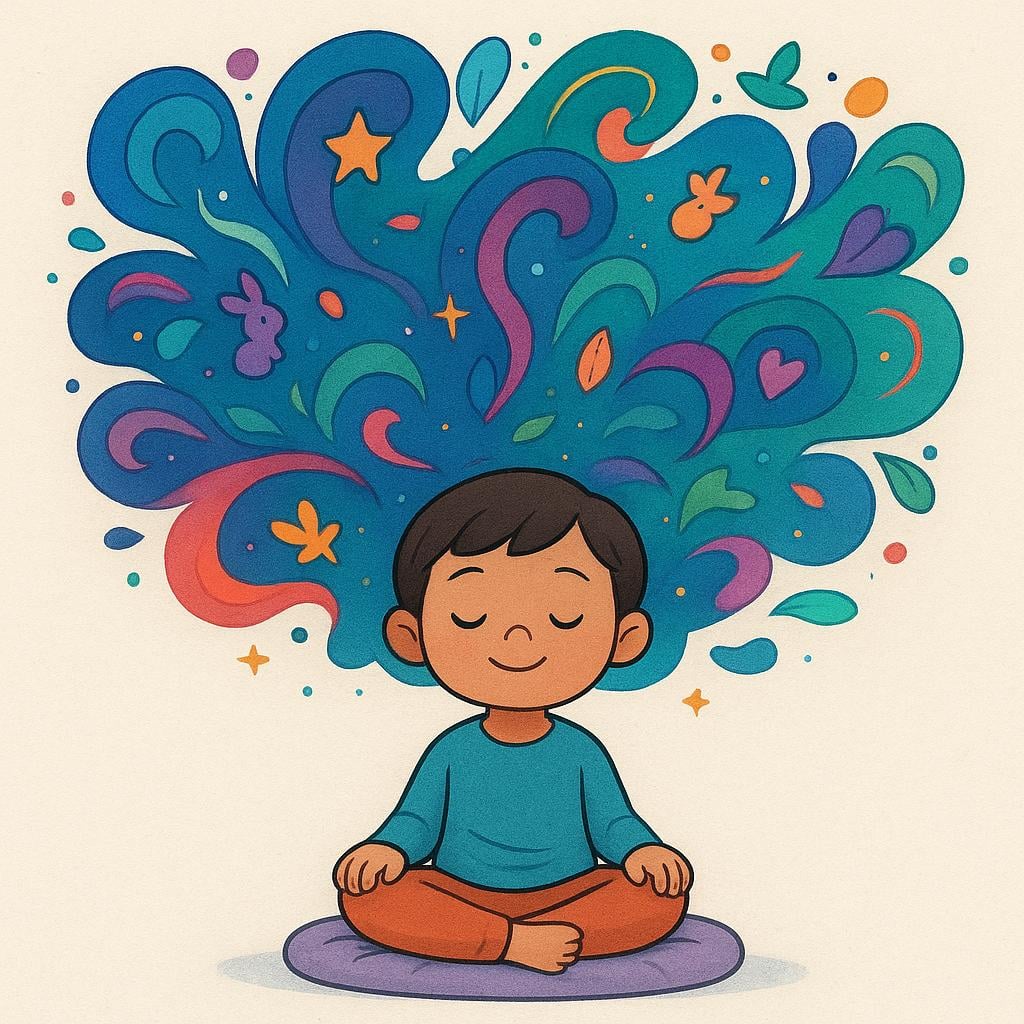
“imaginación” means “imagination” in Spanish (the ability to form mental images or ideas).
imagination, creativityAlso: vision, resourcefulness
📝 In Action
Los niños tienen mucha imaginación.
A1Children have a lot of imagination.
Necesitas más imaginación para escribir una historia así.
A2You need more creativity to write a story like that.
Su falta de imaginación le impide ver otras soluciones.
B1His lack of imagination prevents him from seeing other solutions.
Word Connections
✏️ Quick Practice
Quick Quiz: imaginación
Question 1 of 2
Which sentence correctly uses 'imaginación'?
📚 More Resources
👥 Word Family
🎵 Rhymes
📚 Etymology
Comes directly from the Latin word *imaginatio*, meaning 'a mental image' or 'a fancy'. It has remained largely unchanged in meaning for centuries.
First recorded: 13th century
Cognates (Related words)
💡 Master Spanish
Take your Spanish to the next level. Read 200+ illustrated and narrated Spanish stories tailored to your level with the Inklingo app!
Frequently Asked Questions
Is 'imaginación' countable or uncountable?
It is generally used as an uncountable noun, like 'water' or 'air'. You wouldn't say 'two imaginations.' You usually refer to the quantity or quality of imagination: *mucha imaginación* (a lot of imagination) or *gran imaginación* (great imagination).
How do I use 'imaginación' when I want to say something is just a dream or not real?
The common phrase is 'Es un fruto de la imaginación' (It's a figment/fruit of the imagination), or simply 'Es pura imaginación' (It's pure imagination).