incumbencia
“incumbencia” means “concern” in Spanish (as in something that is your responsibility or business).
concern
Also: responsibility, business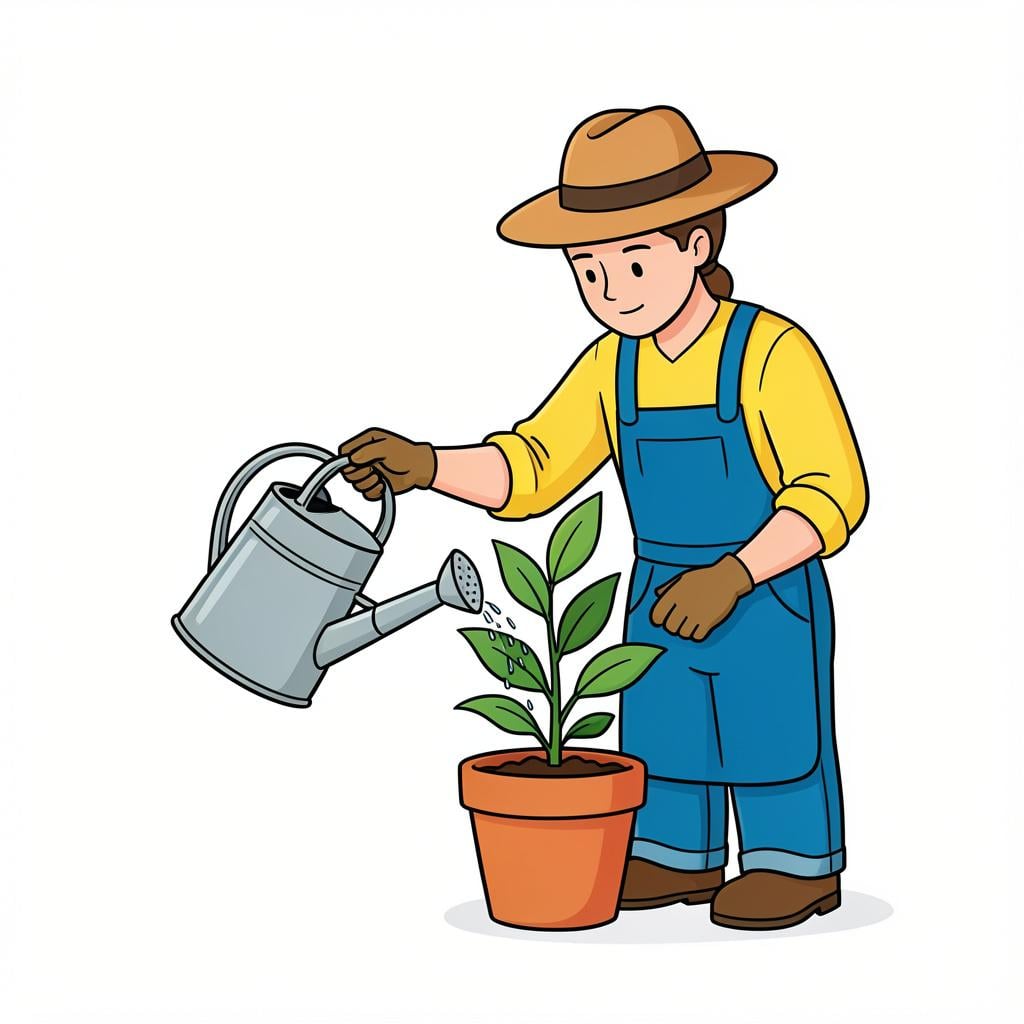
📝 In Action
Ese asunto no es de mi incumbencia.
B1That matter is none of my concern.
La educación de los hijos es incumbencia de los padres.
B2The education of children is the parents' responsibility.
Eso queda fuera de tu incumbencia profesional.
C1That falls outside of your professional duties.
Translate to Spanish
✏️ Quick Practice
Quick Quiz: incumbencia
Question 1 of 1
How would you tell someone politely but firmly that something isn't their business?
📚 More Resources
👥 Word Family▼
🎵 Rhymes▼
📚 Etymology▼
From the Latin verb 'incumbere', which means 'to lean upon' or 'to apply oneself to'. It suggests a weight or task resting on someone's shoulders.
First recorded: 17th century
Cognates (Related words)
💡 Master Spanish
Take your Spanish to the next level. Read 200+ illustrated and narrated Spanish stories tailored to your level with the Inklingo app!
Frequently Asked Questions
Is 'incumbencia' common in everyday conversation?
It is a bit formal. In casual talk with friends, people often say 'No es asunto tuyo' (It's not your matter) or 'No te metas' (Don't get involved). You'll see 'incumbencia' more in news, legal documents, or serious arguments.
Is it masculine or feminine?
It is a feminine noun, so you should always use 'la' or 'una' with it (e.g., 'la incumbencia').