incómoda
“incómoda” means “uncomfortable” in Spanish. It has 2 different meanings depending on context:
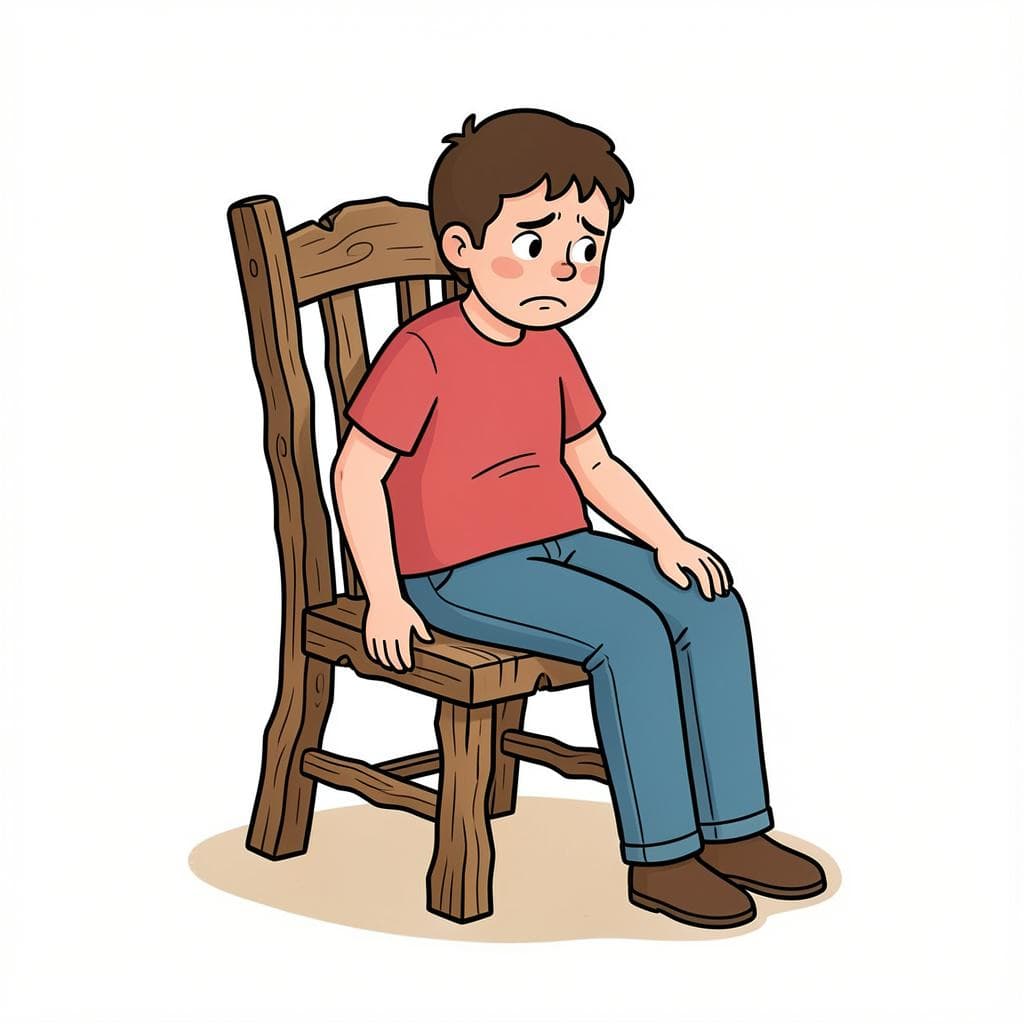

uncomfortable
Also: uneasy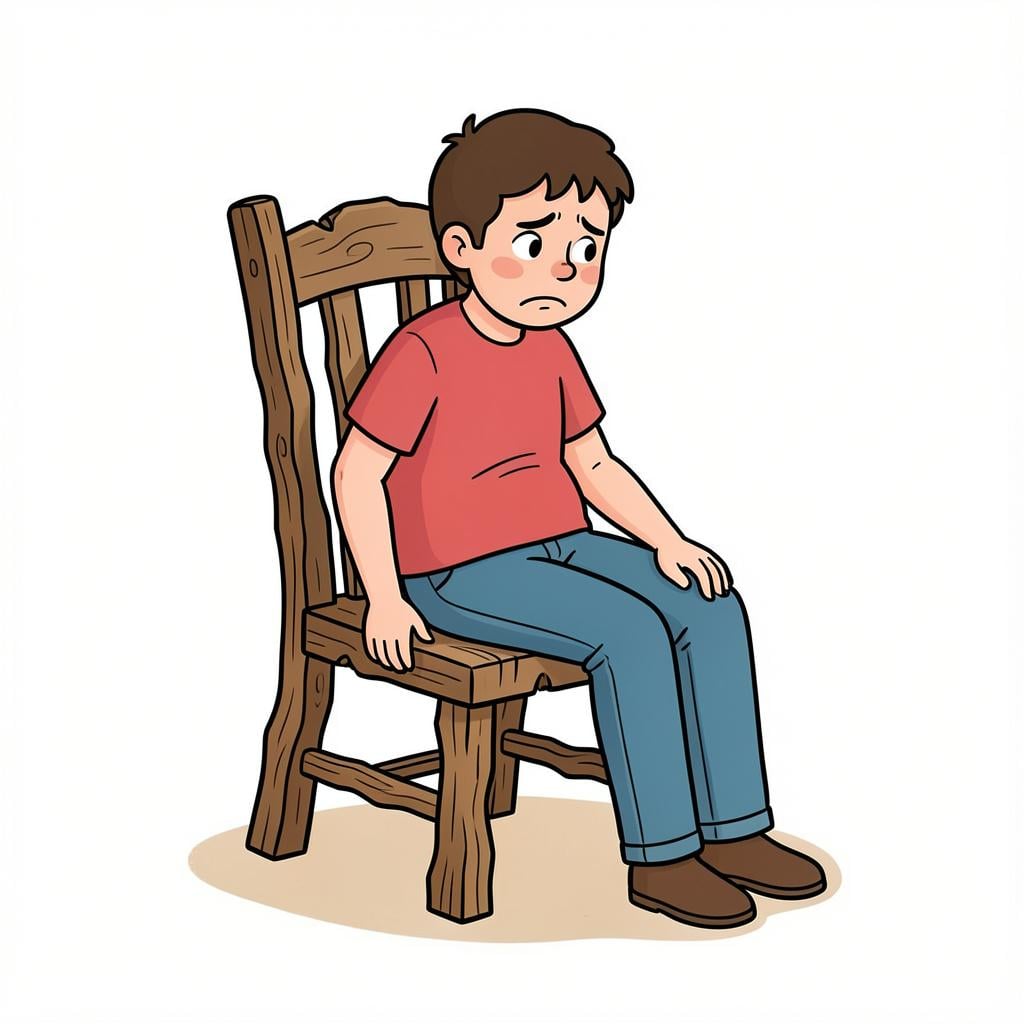
📝 In Action
Esta silla de madera es muy incómoda.
A2This wooden chair is very uncomfortable.
Me siento incómoda con estos zapatos.
A2I feel uncomfortable in these shoes.
awkward
Also: difficult
📝 In Action
Hubo un silencio largo y una situación incómoda.
B1There was a long silence and an awkward situation.
Me hizo una pregunta muy incómoda.
B1He asked me a very awkward/uncomfortable question.
Translate to Spanish
Words that translate to "incómoda" in Spanish:
difficult→✏️ Quick Practice
Quick Quiz: incómoda
Question 1 of 1
Which of these things would you describe as 'incómoda'?
📚 More Resources
👥 Word Family▼
📚 Etymology▼
From the Latin prefix 'in-' (meaning 'not') and the word 'commodus' (meaning 'convenient' or 'suitable').
First recorded: 15th century
Cognates (Related words)
💡 Master Spanish
Take your Spanish to the next level. Read 200+ illustrated and narrated Spanish stories tailored to your level with the Inklingo app!
Frequently Asked Questions
What is the difference between 'incómoda' and 'incómodo'?
They both mean the same thing, but you use 'incómoda' for feminine objects (like 'una silla') and 'incómodo' for masculine objects (like 'un sofá').
Can I use 'incómoda' to say I am embarrassed?
Yes! While 'avergonzada' means embarrassed, 'incómoda' is used for that 'awkward' feeling you get when a situation is tense.