infección
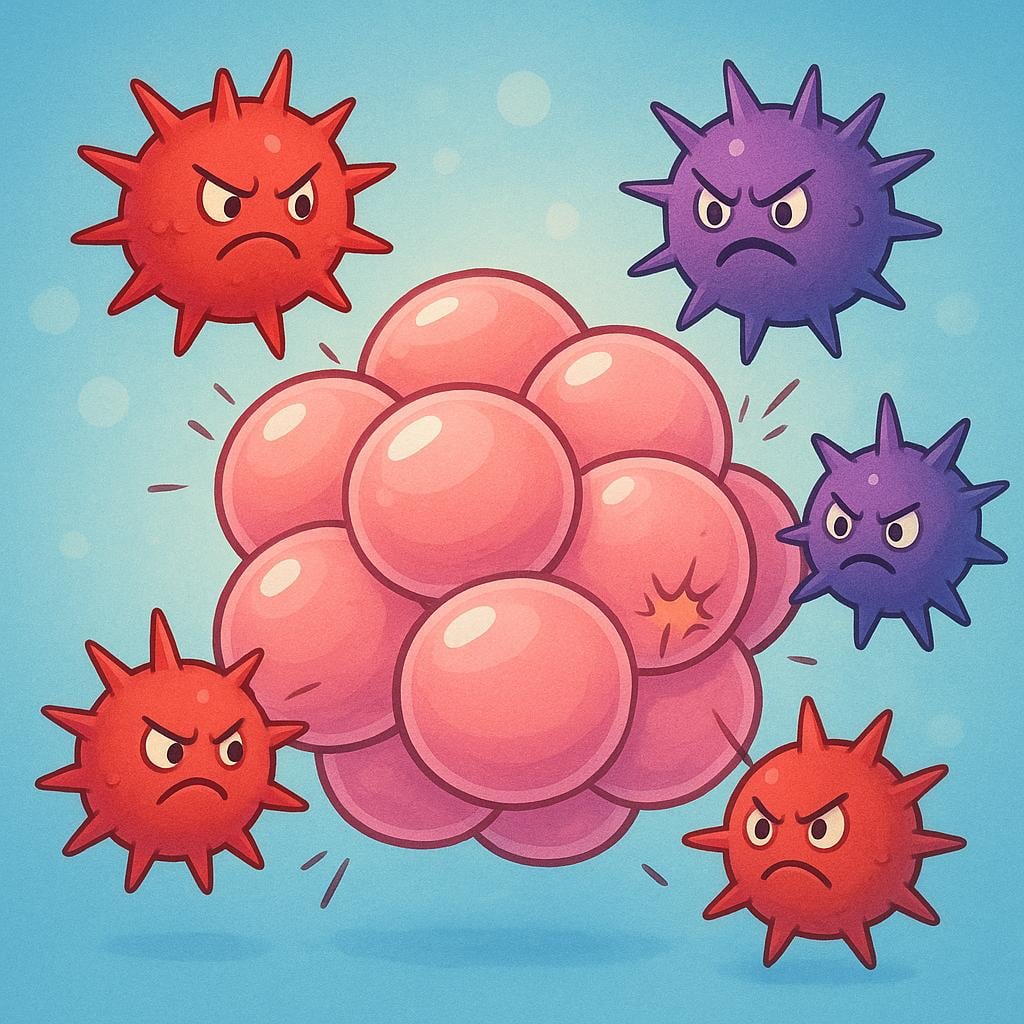
“infección” means “infection” in Spanish (medical/biological).
infectionAlso: contagion
📝 In Action
El doctor dijo que la herida tiene una infección grave.
A2The doctor said the wound has a serious infection.
Para evitar la infección, debes lavarte las manos con frecuencia.
B1To prevent infection, you must wash your hands frequently.
Los antibióticos se usan para combatir las infecciones bacterianas.
B2Antibiotics are used to fight bacterial infections.
Word Connections
✏️ Quick Practice
Quick Quiz: infección
Question 1 of 2
Which sentence correctly uses 'infección'?
📚 More Resources
👥 Word Family
🎵 Rhymes
📚 Etymology
This word comes from the Latin word *infectiō*, which originally meant 'a dyeing' or 'staining.' It later developed the sense of corruption or poisoning, leading directly to the modern medical meaning we use today.
First recorded: 14th century (in Spanish)
Cognates (Related words)
💡 Master Spanish
Take your Spanish to the next level. Read 200+ illustrated and narrated Spanish stories tailored to your level with the Inklingo app!
Frequently Asked Questions
¿Cuál es la diferencia entre 'infección' y 'contagio'?
La 'infección' es el estado de tener una enfermedad causada por gérmenes. El 'contagio' es el proceso o acto de transmitir esa enfermedad de una persona a otra. (Infection is the state of being ill; Contagion is the act of spreading it.)
Is 'infección' only used for human illnesses?
No. While most common in human medicine, 'infección' is also perfectly correct when talking about diseases in animals or plants.