langosta
“langosta” means “lobster” in Spanish. It has 2 different meanings depending on context:
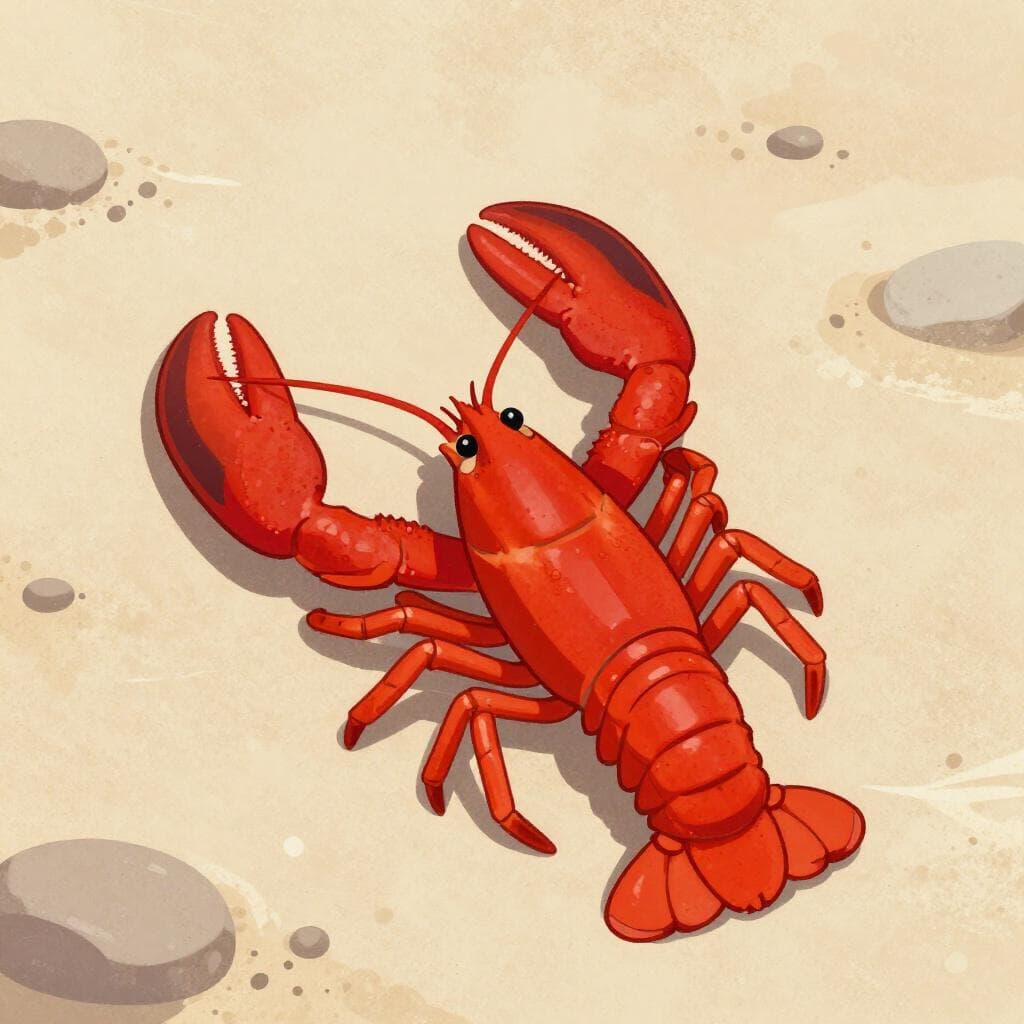
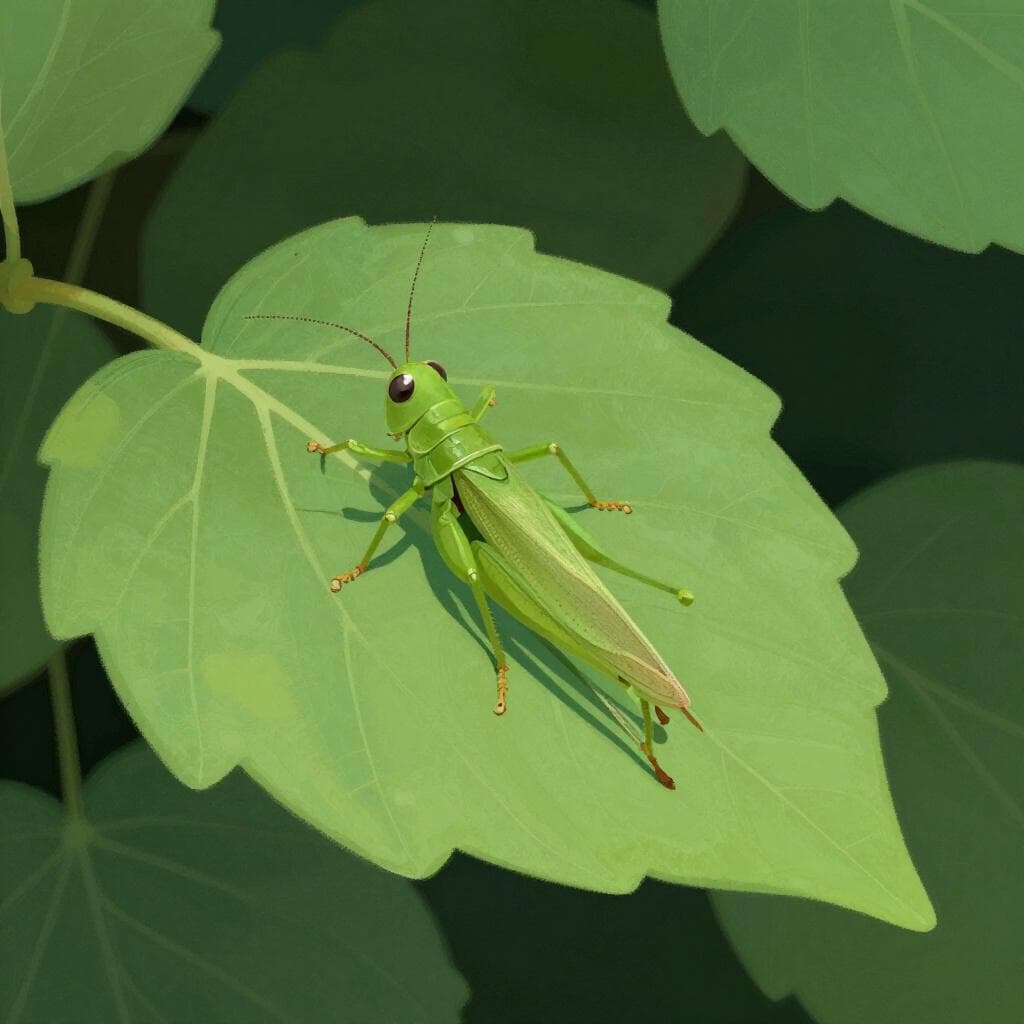
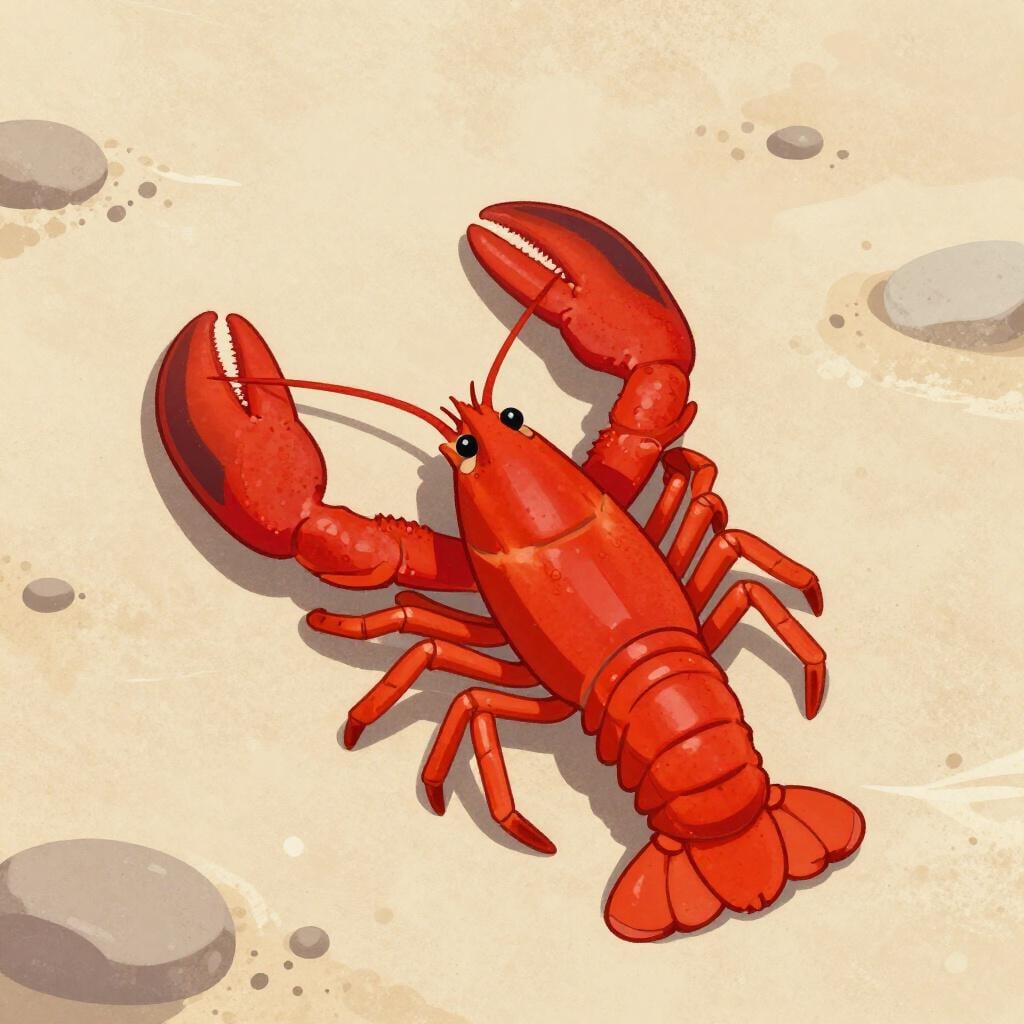
lobsterAlso: spiny lobster
📝 In Action
Pedimos una langosta para compartir en el restaurante.
A2We ordered a lobster to share at the restaurant.
La langosta vive en el fondo del océano.
B1The lobster lives on the ocean floor.
Word Connections
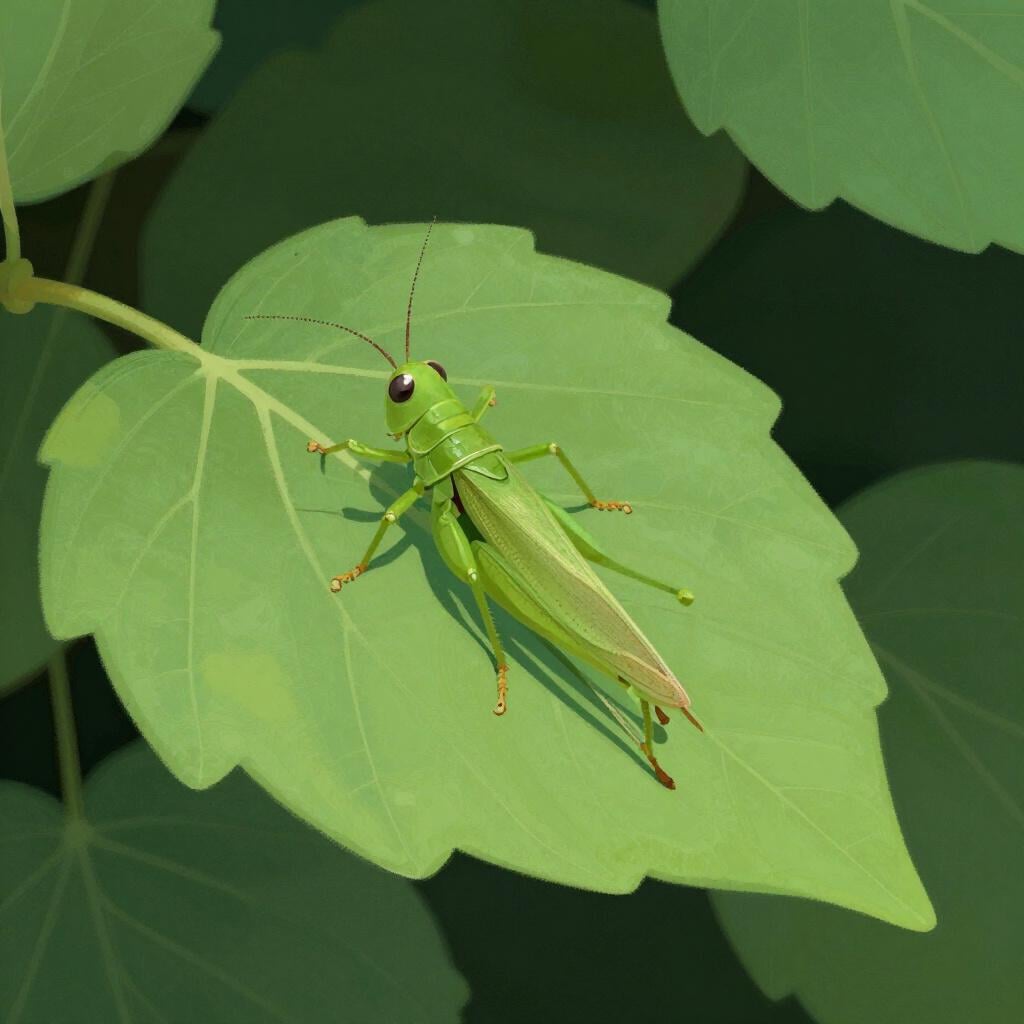
locustAlso: grasshopper
📝 In Action
Una plaga de langostas destruyó toda la cosecha de trigo.
B2A plague of locusts destroyed the entire wheat harvest.
Las langostas pueden viajar largas distancias en grandes grupos.
C1Locusts can travel long distances in large groups.
Word Connections
Translate to Spanish
Words that translate to "langosta" in Spanish:
✏️ Quick Practice
Quick Quiz: langosta
Question 1 of 2
If a farmer is worried about a 'plaga de langostas,' what is he afraid of?
📚 More Resources
👥 Word Family
🎵 Rhymes
📚 Etymology
From the Latin word 'locusta,' which originally referred to the insect. Because lobsters look a bit like 'sea grasshoppers' with their shells and long antennae, the same name was used for both.
First recorded: 13th century
Cognates (Related words)
💡 Master Spanish
Take your Spanish to the next level. Read 200+ illustrated and narrated Spanish stories tailored to your level with the Inklingo app!
Frequently Asked Questions
Does 'langosta' have claws like a Maine lobster?
Usually, in Spanish-speaking countries, 'langosta' refers to the spiny lobster (langosta espinosa), which has long antennae but no large claws. The lobster with big claws is often called a 'bogavante.'
How do I say 'locust' specifically if I don't want people to think of seafood?
You can use the phrase 'plaga de langostas' or use the more general word 'saltamontes' (grasshopper) if the distinction isn't vital.