legión
“legión” means “legion” in Spanish. It has 2 different meanings depending on context:
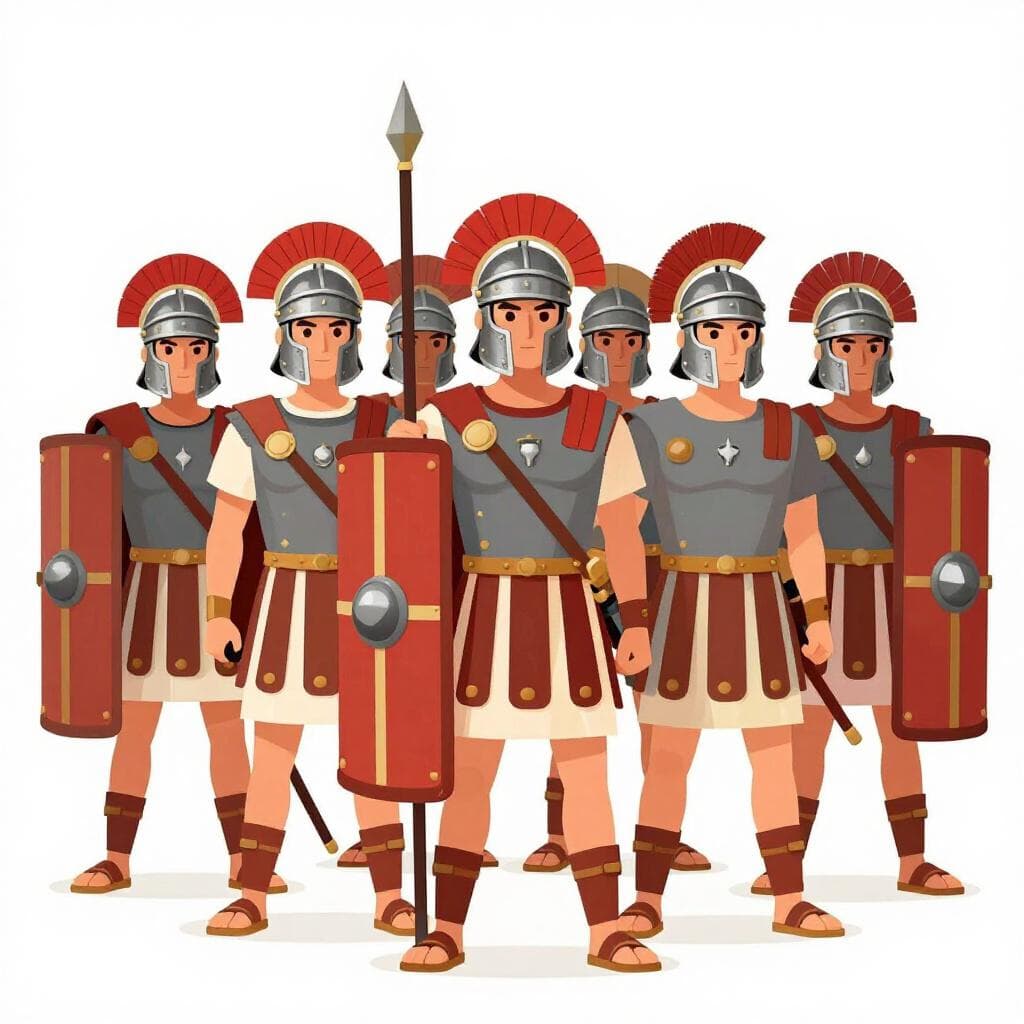

legion
Also: army unit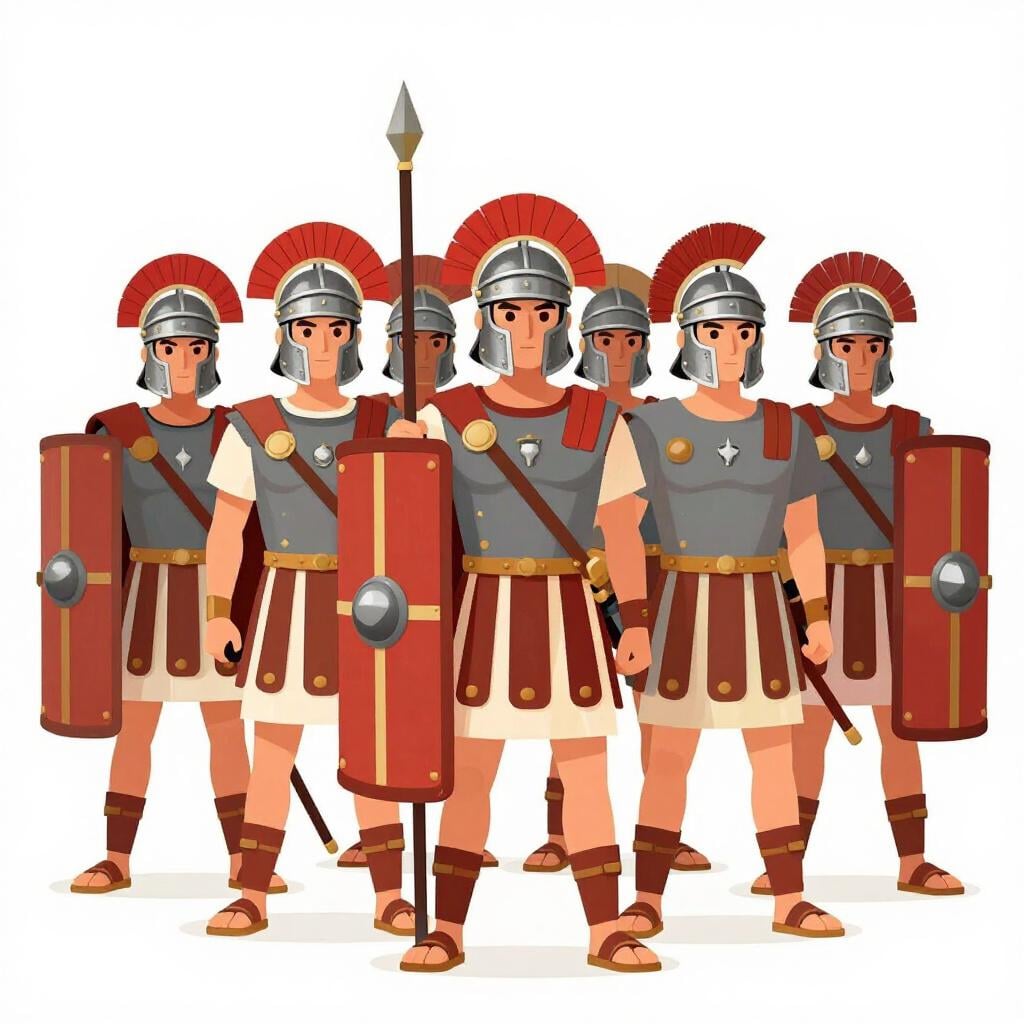
📝 In Action
La legión romana marchó hacia el norte.
B1The Roman legion marched to the north.
Él sirvió en la legión durante cinco años.
B1He served in the legion for five years.
Las legiones eran la columna vertebral del ejército.
B2The legions were the backbone of the army.
legion
Also: host, multitude
📝 In Action
El artista tiene una legión de seguidores en las redes sociales.
B2The artist has a legion of followers on social media.
Una legión de voluntarios ayudó después de la tormenta.
B2A legion of volunteers helped after the storm.
Hay una legión de problemas que debemos resolver.
C1There are a legion of problems that we must solve.
Translate to Spanish
✏️ Quick Practice
Quick Quiz: legión
Question 1 of 3
Which of these is the correct way to say 'the legion'?
📚 More Resources
👥 Word Family▼
🎵 Rhymes▼
📚 Etymology▼
From the Latin word 'legio', which comes from 'legere' (to choose or collect). Originally, it referred to the choosing of men for the army.
First recorded: 13th century
Cognates (Related words)
💡 Master Spanish
Take your Spanish to the next level. Read 200+ illustrated and narrated Spanish stories tailored to your level with the Inklingo app!
Frequently Asked Questions
Does 'legión' only refer to the Roman army?
No. While it started with Rome, it can refer to modern military units (like the French Foreign Legion) or figuratively to any large group of people (like fans).
Is 'legionarios' the plural of 'legión'?
No. 'Legiones' is the plural of 'legión' (the groups). 'Legionarios' refers to the individual soldiers (legionnaires) inside the group.
Why is there an accent on the 'o'?
The accent mark shows that the stress is on the very last syllable. In Spanish, words ending in 'n' usually have stress on the second-to-last syllable, so we need the mark to break that rule.