tropa
“tropa” means “troops” in Spanish. It has 2 different meanings depending on context:
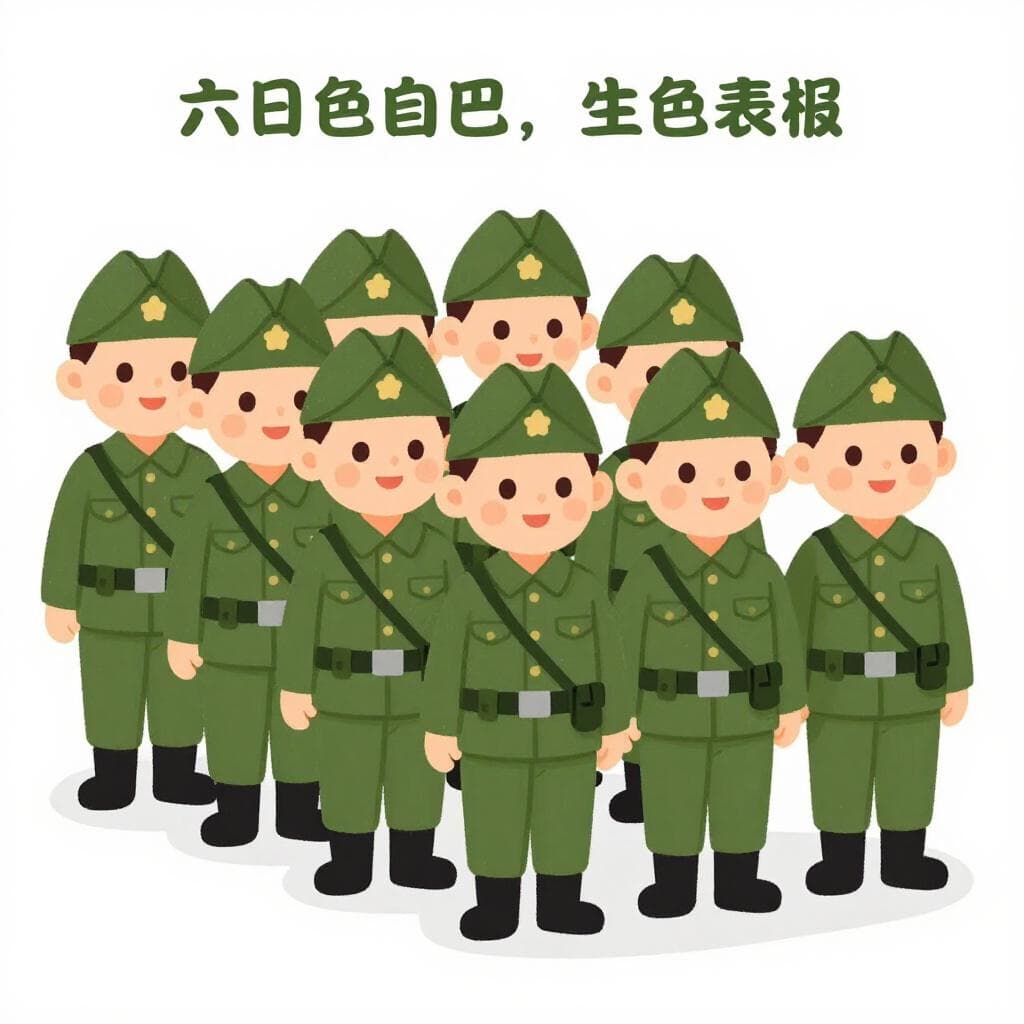

troops
Also: soldiers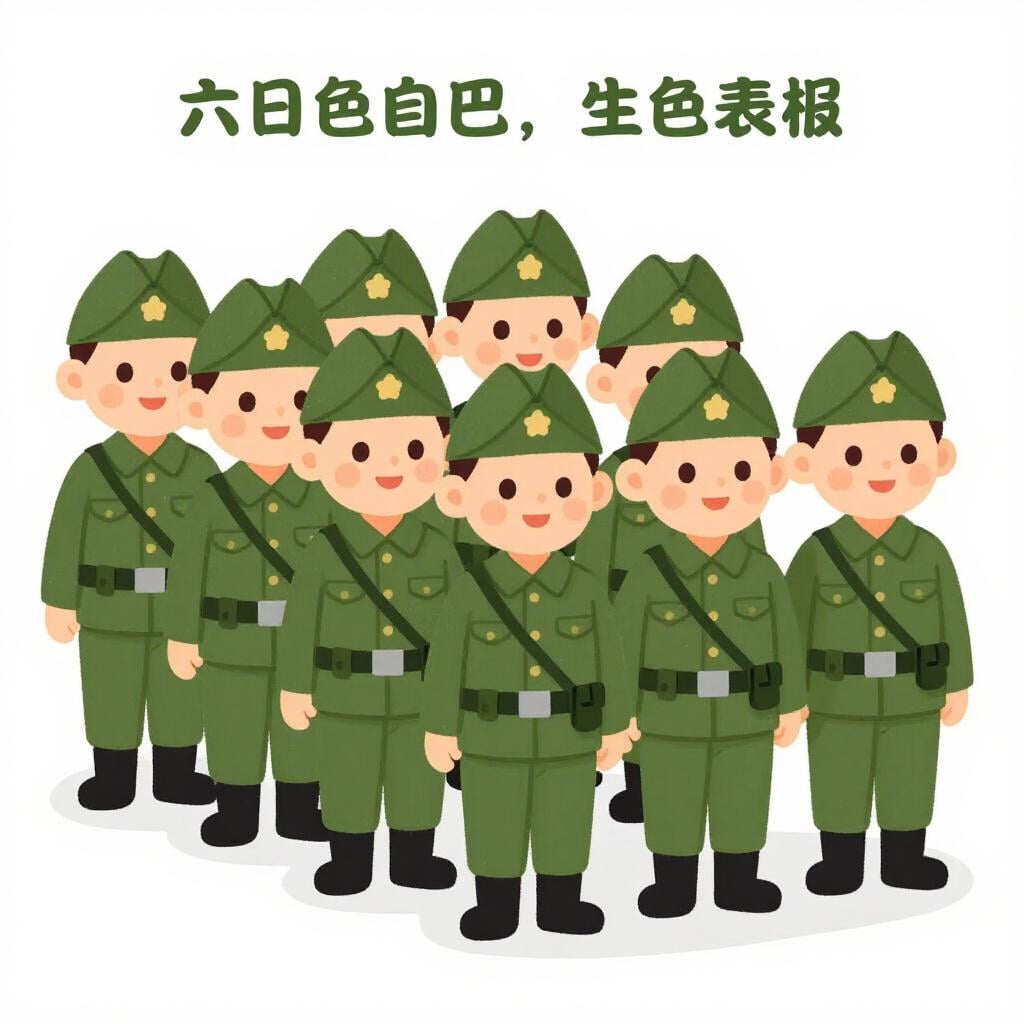
📝 In Action
La tropa descansaba en el campamento.
A2The troops were resting in the camp.
El general dio una orden a toda la tropa.
B1The general gave an order to all the troops.
Las tropas de paz de la ONU llegaron a la región.
B2The UN peacekeeping troops arrived in the region.
gang, bunch
Also: crew
📝 In Action
Llegó toda la tropa a mi casa sin avisar.
B1The whole gang arrived at my house without warning.
¿A dónde vas con esa tropa de niños?
B1Where are you going with that bunch of kids?
✏️ Quick Practice
Quick Quiz: tropa
Question 1 of 3
Which sentence is grammatically correct for 'The troops are coming'?
📚 More Resources
👥 Word Family▼
📚 Etymology▼
From the French word 'troupe', which originally came from a Germanic word meaning a 'flock' or 'herd'. It shares history with the English word 'troop'.
First recorded: 15th century
Cognates (Related words)
💡 Master Spanish
Take your Spanish to the next level. Read 200+ illustrated and narrated Spanish stories tailored to your level with the Inklingo app!
Frequently Asked Questions
Can I use 'tropa' to talk about my group of friends?
Yes! It's a very natural, informal way to refer to your 'crew' or 'gang' in Spanish, especially if you are all together in a group.
What is the difference between 'tropa' and 'ejército'?
An 'ejército' (army) is the entire organization. 'Tropa' usually refers to the actual groups of soldiers out in the field, specifically the lower-ranking ones.
Do I use 'la' or 'el' with tropa?
Always use 'la'. It is a feminine noun.