maldición
“maldición” means “curse” in Spanish. It has 2 different meanings depending on context:
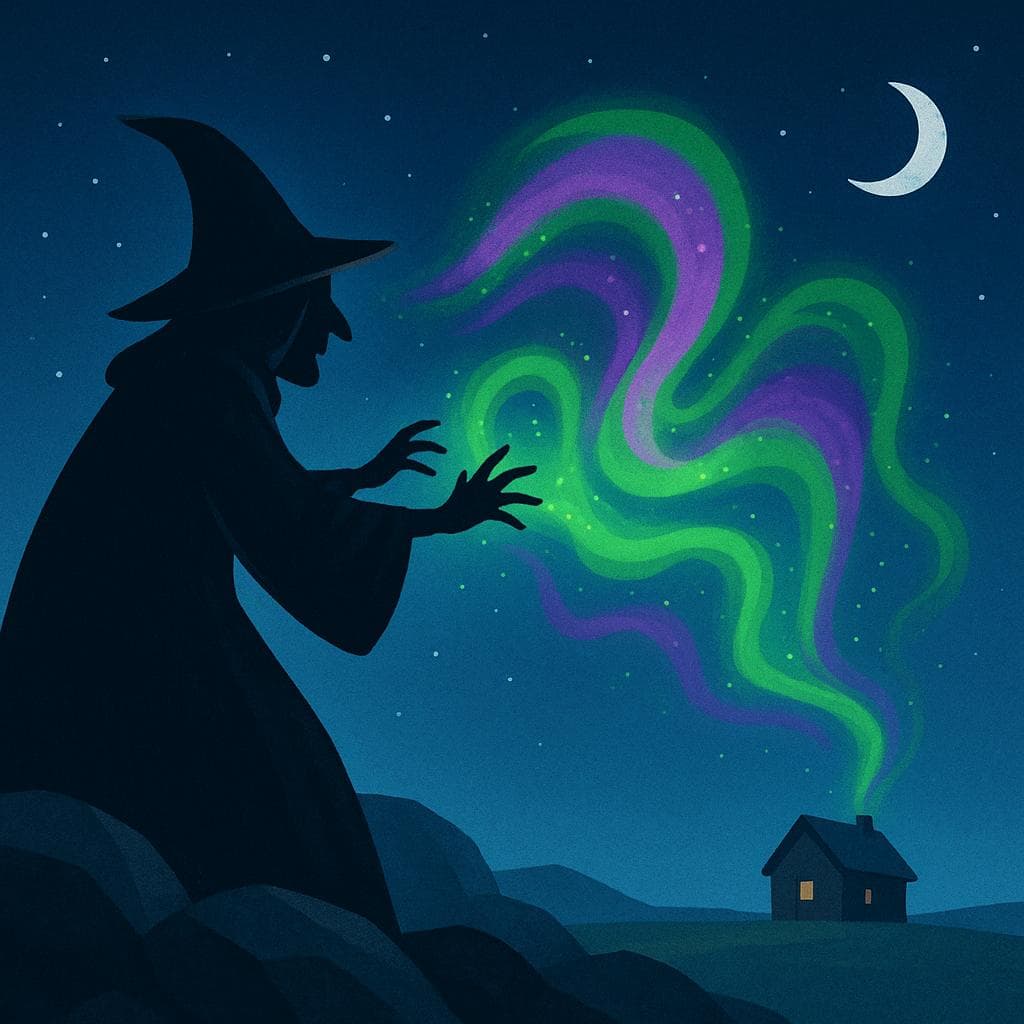

curseAlso: hex, jinx

📝 In Action
La bruja lanzó una maldición sobre el pueblo.
B1The witch cast a curse on the village.
Parece que este equipo tiene una maldición; nunca ganan la final.
B2It seems this team has a curse; they never win the final.
Word Connections
Damn!Also: Blast!, Darn it!

📝 In Action
¡Maldición! Olvidé las llaves en casa.
A2Damn! I forgot the keys at home.
¡Maldición, se me escapó el autobús!
A2Darn it, I missed the bus!
Word Connections
Translate to Spanish
Words that translate to "maldición" in Spanish:
✏️ Quick Practice
Quick Quiz: maldición
Question 1 of 1
Which sentence uses 'maldición' to express frustration about a small problem?
📚 More Resources
🎵 Rhymes
📚 Etymology
Comes from the Latin phrase 'male dictio', which literally means 'bad speaking' or 'evil speech'. It's a combination of 'male' (badly) and 'dictio' (speaking).
First recorded: Around the 13th century
Cognates (Related words)
💡 Master Spanish
Take your Spanish to the next level. Read 200+ illustrated and narrated Spanish stories tailored to your level with the Inklingo app!
Frequently Asked Questions
Is '¡Maldición!' a bad word? Can I say it in front of anyone?
It's not considered a strong swear word. It's more like saying 'darn it!' or 'blast!' in English. It's informal, so you might not use it in a formal presentation, but it's generally acceptable in everyday conversation.
What's the difference between 'maldición' and 'maldito'?
'Maldición' is the thing itself—the curse. For example, 'la maldición de la momia' (the mummy's curse). 'Maldito' is a word you use to describe something as 'damned' or 'cursed', like '¡Este maldito coche no arranca!' (This damned car won't start!).