metiste
“metiste” means “you put” in Spanish. It has 2 different meanings depending on context:


you put, you placed
Also: you inserted, you stuck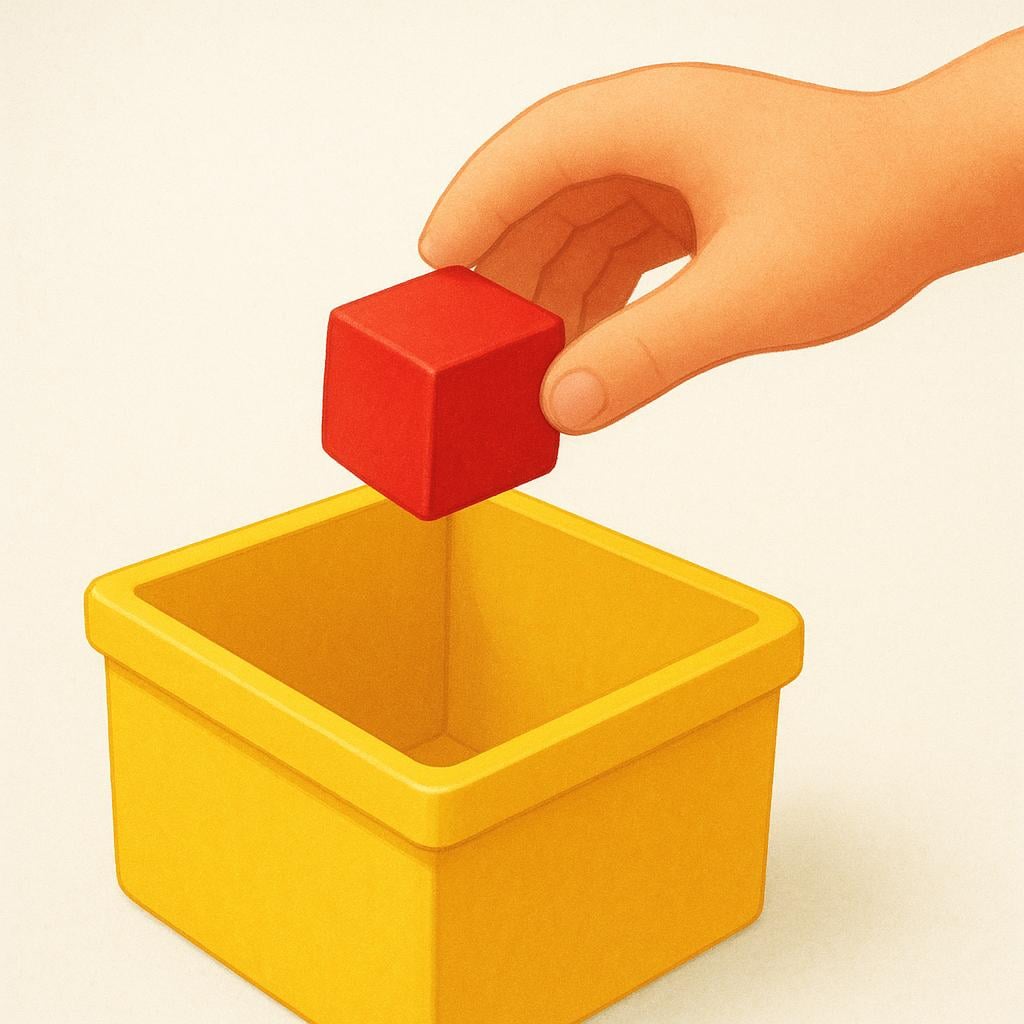
📝 In Action
¿Dónde metiste mi libro? Lo necesito ahora.
A1Where did you put my book? I need it now.
Metiste la llave equivocada en la cerradura.
A2You put the wrong key in the lock.
Metiste demasiado dinero en esa máquina tragamonedas.
B1You put too much money into that slot machine.
you got (someone) into trouble
Also: you scored, you interfered
📝 In Action
Metiste ese golazo en el último minuto del partido.
B1You scored that amazing goal in the last minute of the game.
¡Nos metiste en un problema muy grande con esa mentira!
B2You got us into a huge problem with that lie!
Cuando hablaste de más, metiste la pata.
C1When you talked too much, you put your foot in your mouth (made a mistake).

Indicative
Present
Imperfect
Preterite
Subjunctive
Present Subjunctive
Imperfect Subjunctive
Translate to Spanish
Words that translate to "metiste" in Spanish:
you inserted→you interfered→you placed→you put→you scored→you stuck→✏️ Quick Practice
Quick Quiz: metiste
Question 1 of 2
Which sentence uses 'metiste' to mean 'you caused trouble'?
📚 More Resources
👥 Word Family▼
📚 Etymology▼
The verb 'meter' comes from the Latin verb *mittere*, which originally meant 'to send' or 'to throw.' Over time in Spanish, the meaning shifted from 'sending' or 'throwing into' to the current meaning of simply 'putting' or 'placing' something inside.
First recorded: 13th century
Cognates (Related words)
💡 Master Spanish
Take your Spanish to the next level. Read 200+ illustrated and narrated Spanish stories tailored to your level with the Inklingo app!
Frequently Asked Questions
Is 'metiste' formal or informal?
'Metiste' is the 'tú' form, which is the informal way of addressing a single person (like a friend, child, or close colleague). If you were speaking formally to an elder or a boss, you would use 'Usted' and say 'metió'.
How is 'meter' different from 'poner'?
Both mean 'to put,' but 'meter' usually emphasizes putting something *inside* a container, hole, or restricted space ('meter la llave en la cerradura'). 'Poner' is more general, referring to placing something *on* a surface or simply positioning it ('poner el plato en la mesa').